




































The landscape of tokenized real-world assets (RWA) is expected to see significant growth by 2026, particularly due to increased adoption in developing economies, according to insights from Jesse Knutson, the head of operations at Bitfinex. This sector is gaining momentum as these economies encounter challenges in capital formation and the attraction of foreign investments.
Knutson emphasizes that emerging markets often face “friction” in their efforts to mobilize capital. This friction can hinder their ability to engage effectively with global investment opportunities. Consequently, the tokenization of assets presents a viable solution to facilitate smoother interactions within the financial landscape.
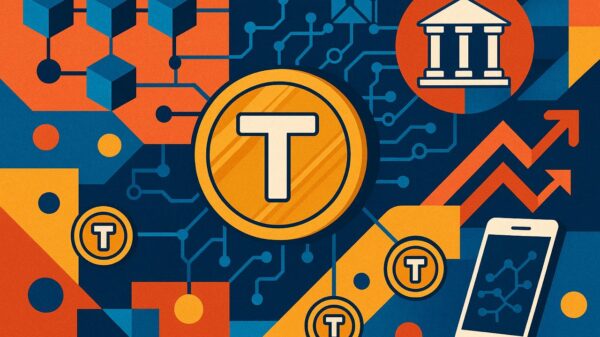
Tokenization involves converting physical or traditional assets into digital representations on a blockchain, thereby enhancing liquidity and accessibility. As more emerging economies recognize the benefits of this technology, we may witness a surge in tokenized assets, which could open new avenues for investors and businesses alike.
This anticipated growth aligns with broader trends in the cryptocurrency and blockchain sectors, where the integration of real-world assets is seen as a pivotal advancement. By bridging the gap between traditional finance and digital innovation, tokenization may lead to a more inclusive financial ecosystem.
As we look ahead, the developments in RWA tokenization could reshape investment paradigms, particularly in regions that have historically struggled with capital inefficiencies. The unfolding narrative in this space will be critical for stakeholders aiming to leverage blockchain technology for economic growth.