












































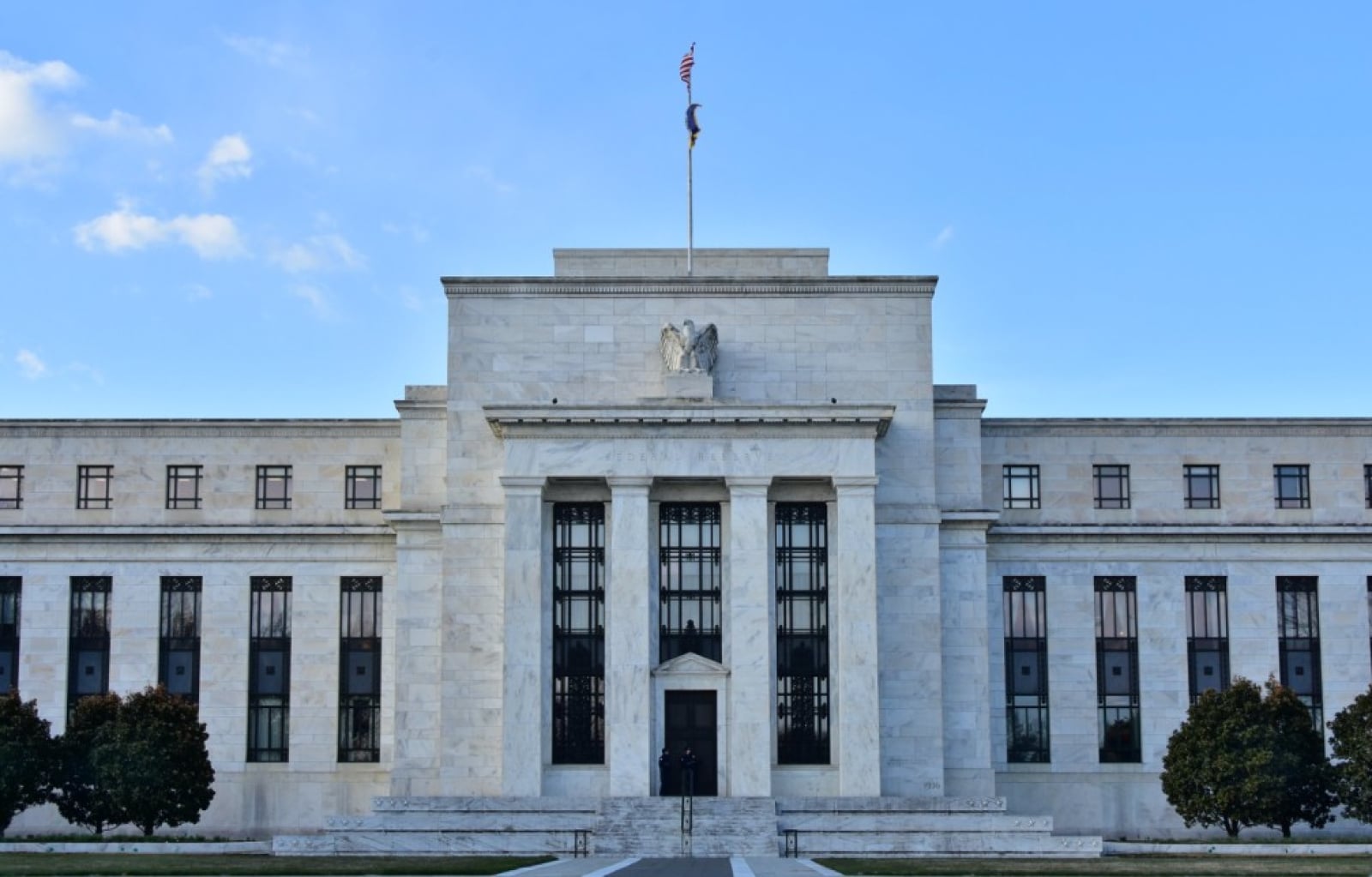
The Federal Reserve, along with the Federal Deposit Insurance Corporation (FDIC) and the Office of the Comptroller of the Currency (OCC), has issued important guidance regarding the treatment of tokenized securities. On March 5, the regulators confirmed that blockchain-based securities will adhere to the same capital requirements as traditional securities.
This announcement emphasizes a “technology neutral” approach to regulatory capital rules, meaning that the technology used to issue or record an asset does not influence its financial characteristics. As a result, banks and financial institutions that hold eligible tokenized assets will not face additional capital buffers solely due to their blockchain infrastructure.
The new guidance aims to eliminate the ambiguity that has previously deterred traditional financial institutions from exploring the tokenization of real-world assets. By clarifying that eligible tokenized securities are treated the same as their conventional counterparts, the regulators have effectively provided a significant incentive for traditional finance to embrace blockchain technology.
However, the regulators have made it clear that this does not create a free-for-all. Banks venturing into tokenized assets are still required to maintain rigorous risk management practices. This careful approach ensures that while innovation is encouraged, the financial system remains secure.
Overall, the Fed, FDIC, and OCC have opened the door for broader adoption of blockchain technology within the banking sector, signaling a new era of integration between traditional finance and digital assets.