


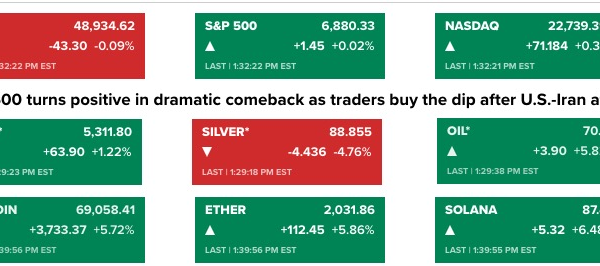






























On October 26, 2025, the global financial landscape witnessed a notable uptick in precious metals, with the XAG/USD pair—indicative of silver”s value in US dollars—approaching the $95.00 per ounce mark. This significant surge was largely attributed to escalating geopolitical unrest in the Middle East, reaffirming silver”s status as a vital safe-haven asset during tumultuous times.
The recent climb in silver prices marks one of the most substantial weekly increases observed in the last decade. Data from leading exchanges indicates that trading volumes for silver futures and exchange-traded funds (ETFs) skyrocketed by over 40% in just 48 hours. Notably, silver often showcases greater volatility compared to gold during risk-off scenarios, a trend evident in the current market. The surpassing of crucial resistance levels around $92.50 has further fueled momentum, activating both algorithmic and institutional purchasing activities.
Understanding the Recent Price Rally
The dynamics of the broader commodities market provide essential insights into this phenomenon. While industrial metals like copper are currently facing challenges stemming from growth anxieties, precious metals have managed to maintain their upward trajectory, underscoring their dual functionality. Silver, as both a monetary asset and an industrial commodity, faces competing influences on its valuation: the influx of safe-haven investments enhances its appeal as a store of value, while potential economic downturns could suppress its industrial demand, particularly from sectors like photovoltaics and electronics.
Dr. Anya Sharma, Chief Commodities Strategist at Global Markets Insight, elaborates on the situation: “The flight to quality we are witnessing is classic, yet intensified. Investors are not merely seeking protection against geopolitical instability; they are also hedging against concurrent fears of currency devaluation and persistent inflation. Silver”s relatively lower price compared to gold allows for more considerable positions from both retail and institutional investors, amplifying price fluctuations.” Sharma also references data from the COMEX, which reveals a marked decrease in registered silver inventories, indicating physical market tightness that supports the ongoing rally in paper markets.
Geopolitical Factors and Investor Sentiment
The immediate impetus for the surge in silver prices is the deteriorating security situation in the Middle East. Renewed conflicts have triggered a widespread risk-averse response across various asset classes. Global equity markets have seen declines, and US Treasury yields have attracted safe-haven investments, albeit with careful scrutiny of Federal Reserve policies. In such circumstances, precious metals typically flourish as non-correlated tangible assets devoid of counterparty risk.
Investor psychology plays a pivotal role. The fear of a broader regional conflict threatens supply chains across numerous sectors, particularly energy. Rising oil prices contribute directly to inflationary expectations, eroding the real value of fiat currencies. Consequently, investors are gravitating towards assets perceived as preserving purchasing power. Historically, a close correlation exists between oil prices and silver, particularly during periods of heightened inflation and liquidity fluctuations.
Macroeconomic Influences on Silver Prices
Beyond immediate news, the silver price outlook is intricately linked to the global macroeconomic environment. Central bank policies, especially those of the Federal Reserve, shape the interest rate landscape that influences the attractiveness of holding non-yielding assets like silver. Current market expectations suggest a potential pause and eventual shift in the Fed”s tightening approach, which could alleviate some pressure on metals from rising real yields.
Fiscal realities are also crucial. Ongoing government deficits in major economies are likely to inflate money supply over the long term, serving as a fundamental bullish driver for hard assets. Key factors influencing the current silver price outlook are summarized in the following list:
- Bullish Factors: Geopolitical demand for safe-haven assets, peak central bank interest rates, declining above-ground inventories.
- Bearish Risks: Potential for rapid conflict de-escalation, strong US dollar resurgence, and profit-taking following a sharp rally.
The industrial demand for silver remains a significant aspect, particularly as the energy transition trend provides long-term support. Silver is essential in manufacturing photovoltaic cells for solar panels, which is bolstered by government mandates for renewable energy adoption across various regions. The International Energy Agency (IEA) anticipates that solar capacity will expand by over 15% annually through 2030, providing a robust foundation for silver”s demand outlook.
In terms of technical analysis, the recent rally in XAG/USD has successfully breached several critical moving averages, shifting the market sentiment from neutral to bullish. The $95.00 level not only represents a psychological milestone but also aligns with a 61.8% Fibonacci retracement from 2023 highs. A sustained close above this level could pave the way for a test of the $100.00 mark, a threshold not reached in over a decade. Support is now anticipated near the previous resistance at $92.50.
In conclusion, the current forecast for silver prices is highly sensitive to geopolitical developments, with XAG/USD trading near $95.00 due to a potent blend of safe-haven demand and shifting macroeconomic conditions. While the immediate catalyst is the Middle East tensions, the long-term bullish case for silver is reinforced by its dual role as both a monetary asset and an industrial commodity essential for the green economy. Investors continue to closely monitor signals of conflict de-escalation, central bank policies, and inventory metrics to gauge the future trajectory of silver prices.