







































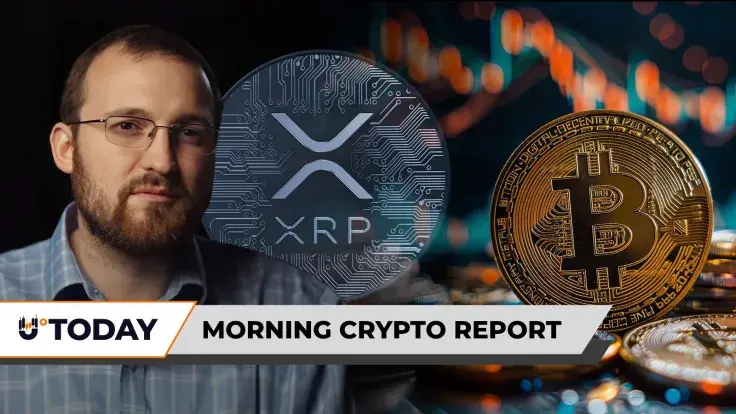
The post-Christmas period is seeing a resurgence of liquidity in the cryptocurrency market, highlighted by three significant discussions: the peculiar $24,111 Bitcoin wick on Binance, Charles Hoskinson”s criticism of Canton in relation to XRP, and Dogecoin”s new marketing strategy involving a “naughty list” of businesses.
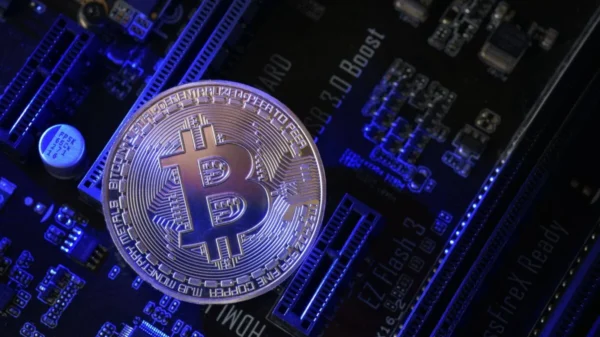
On December 26, the crypto market attempted to establish normalcy, with remnants of the holiday season still influencing trading behavior. A thin trading session led to a notable anomaly, with Bitcoin showing a 24-hour low of $24,111.22 on Binance. This unusual price point captured the attention of traders, as it did not align with the overall market dynamics.
Veteran trader Peter Brandt pointed out the troubling nature of this wick, stating that such occurrences have happened before, and he labeled it a “robbery” that only seems to happen on Binance. This raises serious questions about the exchange”s reputation, particularly in terms of execution quality during thin market conditions.
In response, Binance CEO Changpeng Zhao (CZ) explained that the low liquidity of the USD1 trading pair contributed to the extreme price movement. He clarified that a large market order could impact the price significantly, but no liquidations occurred because USD1 is not part of any major index.
Turning to the words of Charles Hoskinson, the founder of Cardano, he criticized the Canton narrative, suggesting that legacy finance is making the same mistakes by only partially embracing technology. He emphasized that the realm of real-world assets (RWA) is a $10 trillion market that cannot be captured with half-measures, promoting an end-to-end strategy for adoption.
His remarks were particularly sharp, highlighting that “you can”t fake Cardano or XRP Nation,” indicating the deep-rooted loyalty and community support behind these projects. Hoskinson”s critique of Canton underlines the competitive landscape in blockchain technology and the need for genuine partnerships.
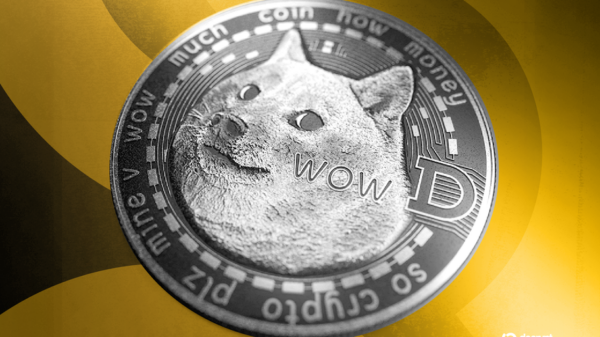
On another front, Dogecoin has launched a year-end campaign aimed at shaming businesses that do not accept its currency. This “naughty list” approach targets major corporations like McDonald”s, Apple, and Volkswagen, with the intention of promoting merchant adoption as a means to revive the token, which has seen a significant decline in value over recent months.
The strategy is a response to a broader trend where merchant adoption becomes a focal point, especially when price performance is lackluster. If 2026 turns out to be a challenging year for risk assets, there are concerns that Dogecoin could revisit its lowest points from previous years.
As we approach the end of the year, the impact of these narratives on the market remains uncertain. Whether they will fade away as liquidity returns or continue to influence the market dynamics is yet to be seen. The discussions surrounding Canton”s aspirations, Binance”s wick issue, and Dogecoin”s branding efforts will likely shape investor sentiment as the year concludes.