





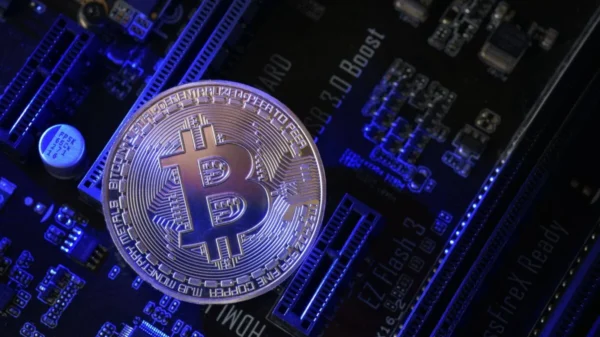

































The economic turmoil in Iran has reached critical levels, with the national currency, the rial, experiencing unprecedented depreciation, leading to widespread protests. As the rial”s value plummets, discussions around the role of Bitcoin as a potential safe haven have intensified.
The Iranian rial has fallen to over 1.4 million rials per U.S. dollar, marking a historic low. This devaluation has exacerbated inflation, which exceeds 40% annually, significantly raising the costs of essential goods such as food, fuel, and healthcare. The financial strain has triggered unrest in major cities, including Tehran and Isfahan, where citizens demand measures to stabilize the currency.
The resignation of the governor of the Central Bank of Iran, Mohammad Reza Farzin, has further added to the uncertainty surrounding the country”s economic policies, amplifying the calls for reform. Amid this crisis, Bitwise CEO Hunter Horsley highlighted the irony of Bitcoin being perceived as a means of preserving value in times of traditional currency failure.
Horsley stated on social media, “It”s ironic that Bitcoin, as something new and experimental, can be regarded as a means of preserving value when traditional currencies fail.” His remarks reflect a growing sentiment within the crypto community regarding Bitcoin“s utility as a hedge against financial instability.
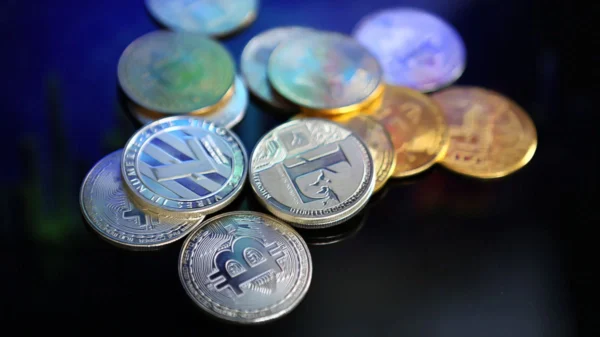
As economic conditions worsen, many Iranians are exploring alternative assets, including Bitcoin, in a bid to safeguard their wealth from the ravages of hyperinflation and state mismanagement. This trend highlights a broader pattern where struggling economies turn to cryptocurrencies as a potential solution to their financial woes.
The Iranian situation underscores the increasing relevance of Bitcoin in the global conversation about digital assets, particularly in regions facing severe economic challenges. The ongoing fluctuations in the rial”s value could propel greater adoption of Bitcoin as individuals and businesses seek to navigate the uncertainties of their national currency.
As these events unfold, the crypto industry will likely continue to monitor the situation closely, assessing how such crises may influence Bitcoin adoption rates and the broader implications for the cryptocurrency market.