





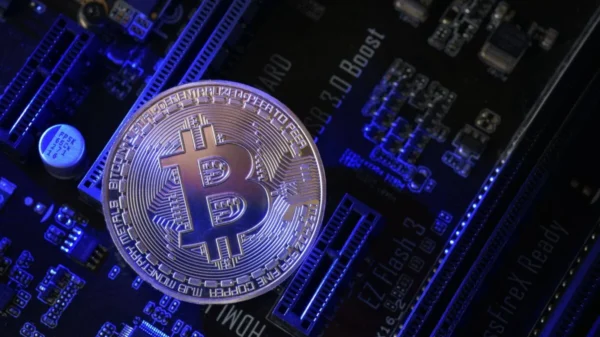

































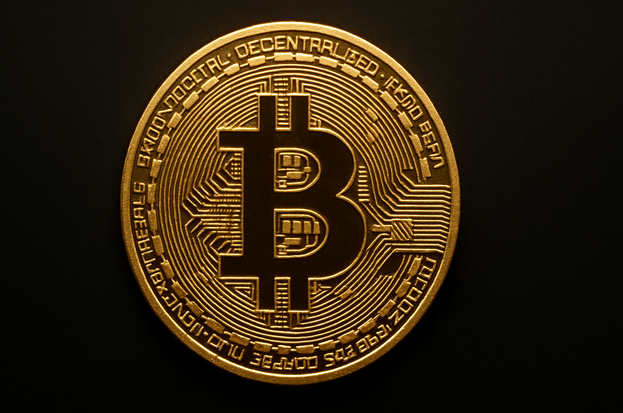
In a significant development for the cryptocurrency landscape, mentions of Bitcoin in SEC filings surged to an unprecedented 8,000 by August 2025. This remarkable increase is largely attributed to a wave of institutional interest, fueled by the introduction of spot Bitcoin ETFs and a clearer regulatory framework.
The legislative environment in the United States saw notable changes in 2025, particularly with the enactment of the GENIUS Act. This act introduced much-needed regulations surrounding stablecoins, enhancing clarity for firms engaged with digital assets. Additionally, the passage of the Digital Asset Market Clarity Act provided comprehensive compliance guidelines, encouraging cryptocurrency companies to formalize their operations.
The increase in SEC filings not only highlights Bitcoin“s prominent role in the financial sector but also underscores a broader trend of traditional financial institutions embracing blockchain technologies. In 2025, Bitcoin emerged as a focal point for investment and regulatory scrutiny, starkly contrasting with the sporadic mentions of other digital currencies.
As Bitcoin transitioned from a speculative investment to a core asset for institutional players, the rise in SEC filings served as a testament to its established position in the market. The introduction of spot Bitcoin ETFs has made it easier for investors to engage with the cryptocurrency, providing a familiar product that reduces risks associated with direct crypto holdings.
This shift indicates that institutional investors are increasingly viewing Bitcoin as a stable asset, reinforcing its role as a primary entry point into the broader cryptocurrency market. The regulatory clarity provided by new legislation has enabled firms to confidently operate within the blockchain space, with Bitcoin leading the charge.
The implications of these developments are profound. As more traditional finance entities recognize Bitcoin as more than just a store of value, its influence on global financial markets is poised to grow. The SEC filings serve as a barometer for this evolving landscape, showcasing the increasing acceptance of Bitcoin and its potential as a legitimate asset class.
With legislative progress paving the way for greater compliance and institutional engagement, the future of Bitcoin in the financial ecosystem appears promising. As regulatory frameworks continue to evolve, Bitcoin is positioned to solidify its status as a cornerstone of the digital asset market.