





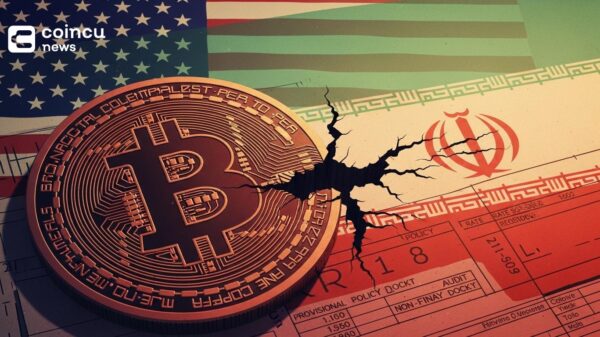






































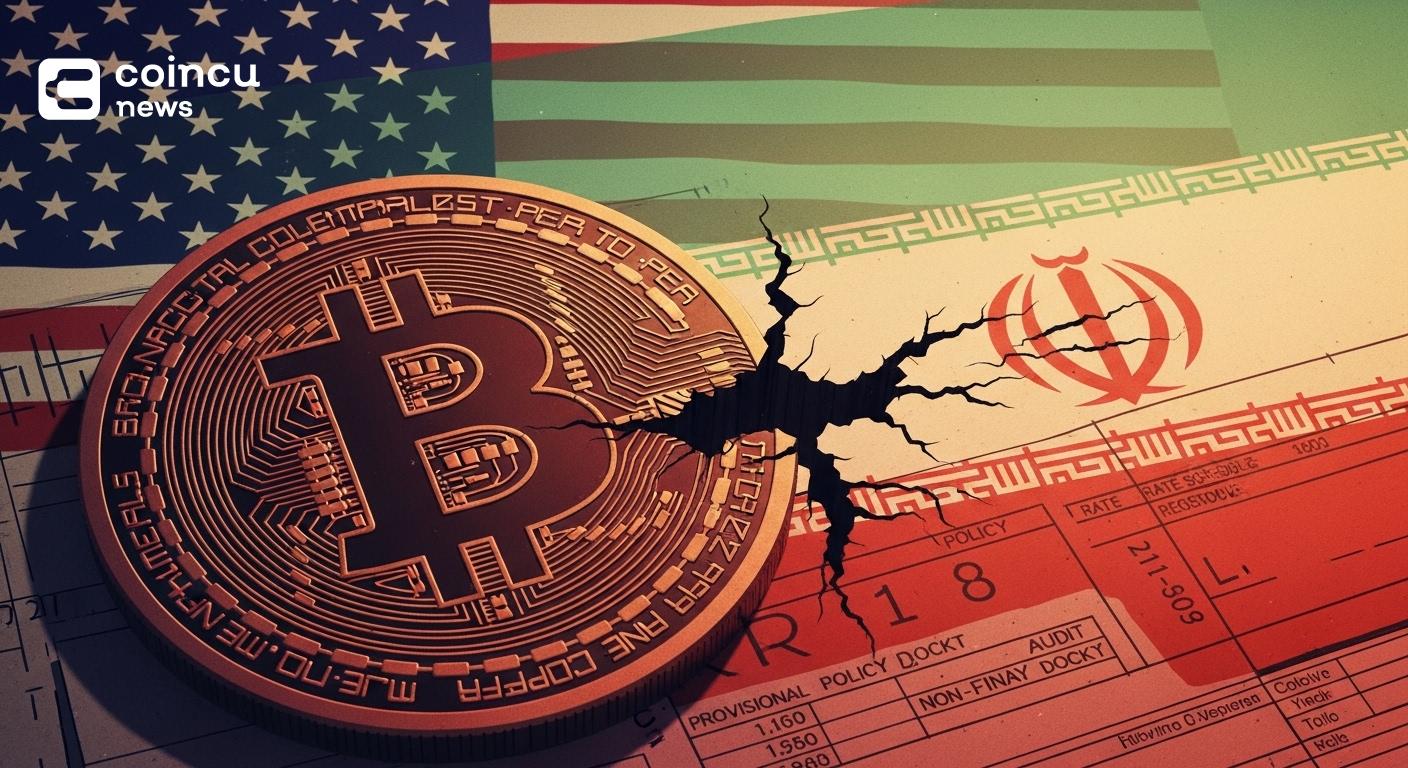
Bitcoin is showing resilience in the current market as tensions between the United States and Iran lead to speculation about potential monetary easing by the Federal Reserve. Arthur Hayes suggests that the ongoing conflict may push the Fed towards policies that involve “printing money,” which could include rate cuts or expansion of the balance sheet.
The Federal Reserve”s decisions, however, are primarily guided by inflation and employment data rather than geopolitical events. While increased war spending and oil price shocks can tighten financial conditions and complicate budget deficits, they do not automatically trigger quantitative easing. The direction the Fed will take hinges on incoming economic data and market dynamics.
Reports from Forbes indicate that preliminary estimates of U.S. military expenditures related to Iran could reach between $40 billion and $95 billion, depending on the conflict”s duration and scale. Such financial commitments would exacerbate budget deficits and increase the need for Treasury issuance. Additionally, the House Budget Committee”s Democratic staff has requested a nonpartisan analysis from the Congressional Budget Office regarding the direct and indirect costs of the conflict, highlighting concerns about its implications for inflation and federal borrowing.
The Fed has publicly emphasized a measured approach and data-driven decision-making rather than immediate easing in response to geopolitical shocks. Jerome Powell, the Chair of the Federal Reserve, noted that geopolitical risks are monitored closely and that energy-driven price spikes are typically temporary.
Hayes argues that persistent military expenditures could still lead policymakers to consider quantitative easing or yield-curve control, which might support risk assets if economic conditions worsen. His argument is contingent on the conflict”s duration, the scale of fiscal pressures, and their impact on financial markets.
Market reactions have already been evident, with fluctuations in oil prices and equities reflecting growing concerns about stagflation resulting from the geopolitical situation. The classic energy-shock channel into inflation expectations is particularly relevant for cryptocurrencies, which are sensitive to liquidity narratives.
Currently, Bitcoin is trading near $70,886, exhibiting medium volatility of 3.86% and a neutral 14-day RSI of approximately 55.7. Investors should monitor potential triggers for policy changes and relevant market indicators, as the Fed”s actions will ultimately depend on concrete economic evidence rather than temporary price movements.
Key indicators to watch include oil benchmarks, market-based inflation expectations, Treasury auction demand, and signals from the central bank regarding its balance sheet. A significant shift toward easing would likely require sustained macroeconomic evidence rather than just temporary price spikes.
Historically, prolonged conflicts have coincided with accommodative monetary policies when financial conditions significantly tighten. Hayes points to historical contexts such as the Gulf War and the post-9/11 period as reminders that increased fiscal needs due to conflict can lead central banks to revive balance-sheet support mechanisms.