





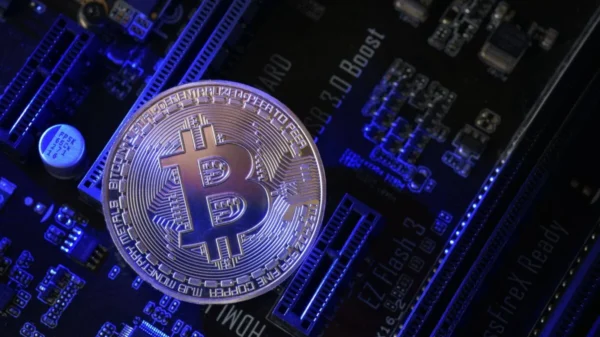








































Bitcoin experienced a notable increase of 2.6% during a period of thin holiday trading, driven primarily by strong spot demand and a shift in derivatives positioning despite a global liquidity crunch. The rebound occurred in early trading sessions, although analysts have cautioned that the low liquidity could distort price signals significantly.
The recent rally appears to be fueled more by spot and perpetual buying rather than forced liquidations. During this price movement, long liquidations were reported to be under $40 million, indicating that the upward price action did not stem from a widespread unwinding of leveraged positions. Instead, the advance was supported by steady accumulation and a resurgence of institutional interest during these illiquid trading periods.
At the time of this report, Bitcoin was trading close to $89,823.75, marking a 2.42% increase from the previous 24 hours. Prices even briefly surpassed the $90,000 mark earlier in the session. The thin liquidity characteristic of the holiday season has exaggerated price movements within derivatives markets, resulting in significant reactions to relatively small trading volumes.
Some of the renewed demand is reportedly linked to comments from Michael Saylor, founder of Strategy, who suggested further purchases of Bitcoin may be forthcoming. Historically, such indications have bolstered bids during times of low liquidity.
Overall market participation has remained subdued, with open interest in Bitcoin derivatives seeing a significant decline. This suggests that many traders are opting to stay on the sidelines, awaiting stronger signals before re-engaging in the market.
Derivatives Positioning Indicates Conditional Upside Risk
Following the recent options expiry, the structure of the market has shifted considerably. Perpetual funding rates for Bitcoin surged on platforms like Deribit, moving from nearly flat to over 30%. This change indicates that dealers are now positioned short gamma, which necessitates buying spot Bitcoin or near-dated call options to hedge against rising prices. Such dynamics could contribute to upward price momentum, at least in the short term.
This behavior was evident when Bitcoin briefly broke through the $90,000 barrier, accompanied by aggressive buying of perpetual contracts and increased activity in the BTC-2JAN26-94k call option, hinting at a potential gamma feedback loop. If prices manage to sustain above $94,000, the resulting hedging flows could further intensify volatility to the upside.
Conversely, the pressures for downside hedging have diminished, particularly as the December $85,000 put option was not rolled forward, thereby reducing immediate demand for downside protection. However, broader market conviction remains low, with open interest plummeting by nearly 50% post-expiry, indicating that traders are currently exposed to less risk.
Most market participants are looking forward to improved liquidity conditions. As holiday schedules continue to suppress trading volumes, price discovery remains impaired, and analysts anticipate that clarity will emerge once liquidity normalizes. Until then, volatility may persist in an episodic manner, with the current rally in Bitcoin largely a function of technical positioning rather than a reflection of strong market conviction. Spot demand has provided necessary support, while derivatives markets have contributed to short-term price movements.