


















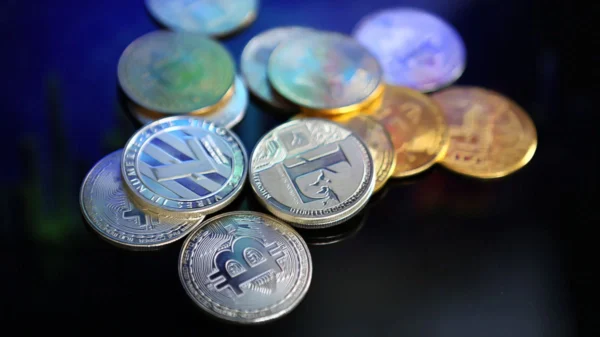















Bitcoin is gaining traction in Iran as citizens seek refuge from the plummeting value of the rial, which has fallen to a staggering 1.4 million per US dollar on unofficial markets. This rapid devaluation has prompted many to explore digital assets as a means of preserving their savings.
The ongoing financial crisis has led to widespread frustration among the populace, with protests erupting in Tehran. Demonstrators, including merchants and workers, have voiced their discontent over soaring prices and the erosion of their purchasing power. Many retirees and students participated, highlighting issues such as unpaid salaries and inadequate pensions.
As the Iranian rial continues to lose value, households have begun to lose faith in the central bank”s ability to stabilize the economy. Analysts attribute this collapse to a combination of factors, including rampant inflation, reduced oil revenues, and international sanctions. Reports indicate that the rial has lost over 40 percent of its purchasing power this year alone.
The inflation rate in Iran has remained above 35 percent throughout 2025, exacerbating the financial struggles of everyday citizens. With sanctions limiting the country”s oil exports, foreign exchange reserves have come under significant strain, pushing individuals to seek alternative means of safeguarding their wealth.
Notably, the adoption of Bitcoin has surged as individuals look to diversify away from the rial. Hunter Horsley, CEO of Bitwise, emphasized that Bitcoin serves as a potential safeguard against economic mismanagement, a recurring theme in discussions about financial instability. His remarks on social media have drawn attention to the increasing role of cryptocurrency in these turbulent economic times.
In Iran, state-licensed Bitcoin mining operates with the intent of generating foreign currency for essential imports. However, the government enforces strict regulations on miners, mandating that mined Bitcoin be sold to the Central Bank. Despite these regulations, informal peer-to-peer transactions continue to thrive, as citizens seek ways to circumvent domestic restrictions on cryptocurrency payments.
While authorities maintain stringent regulations on the crypto sector, the rising adoption of Bitcoin reflects a crucial response to ongoing inflation and currency depreciation. Analysts caution that while Bitcoin can serve as a hedge, it is not a panacea for economic crises. Global trends indicate a similar increase in interest for digital assets in nations grappling with currency instability.
The plight of the rial serves as a stark reminder of the consequences of economic mismanagement, sanctions, and inflationary pressures. The increasing reliance on cryptocurrencies such as Bitcoin underscores the urgency for financial alternatives in the face of systemic financial risks. As the economic landscape evolves, citizens are turning to digital currencies as essential tools for navigating uncertainty.