
















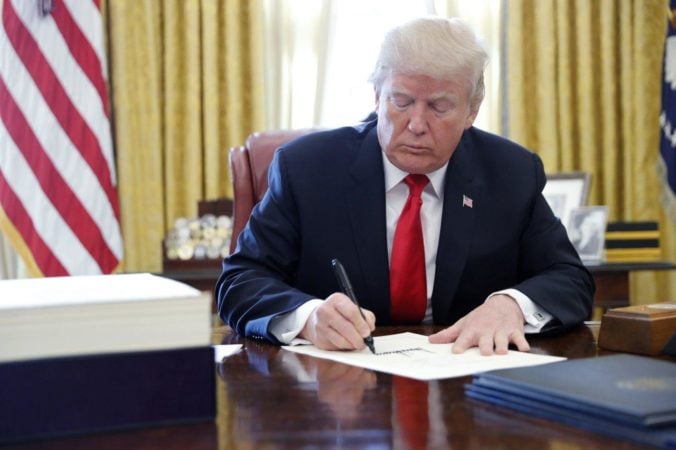
Former President Donald Trump has called for immediate interest rate cuts by the Federal Reserve, urging Chair Jerome Powell to act without delay ahead of next week”s Federal Open Market Committee (FOMC) meeting. This demand comes in the wake of escalating tensions in the U.S.-Iran conflict, which have significantly impacted oil prices, thereby heightening inflationary pressures.
On Thursday, Trump posted on Truth Social that Powell “should be dropping Interest Rates, IMMEDIATELY.” This statement coincided with rising crude oil prices, which surged to $95.70 per barrel. The increase follows a vow from Iran”s new Supreme Leader, Mojtaba Khamenei, to maintain the closure of the Strait of Hormuz, a critical artery for global oil transport, accounting for about one-fifth of the world”s oil supply.
The conflict, which intensified on February 28, has drastically altered market expectations regarding interest rates. Prior to the outbreak of hostilities, traders anticipated that the Fed would implement two rate cuts by the end of the year. Now, projections indicate that only one cut is expected, and not until 2025. According to data from CME FedWatch, there is a 99.2% likelihood that the FOMC will refrain from making any changes to rates at the upcoming meeting.
Goldman Sachs has adjusted its forecasts, predicting that Personal Consumption Expenditures (PCE) inflation, a key measure for the Fed, will rise to 2.9% by December, up from the central bank”s target of 2%. The investment bank has postponed its first anticipated rate cut from June to September, with another potential cut in December.
The last time the Fed enacted a rate cut outside of a scheduled meeting was during the COVID-19 pandemic in March 2020. Analysts currently believe that the prevailing economic conditions do not warrant such emergency measures.
Amid the ongoing conflict, JPMorgan has cautioned that investor sentiment may lead to a market sell-off, as fears grow about the duration of the war. Prediction markets are indicating a 70% chance that the Iran conflict could extend into May.
In response to skyrocketing oil prices, the Trump administration is reportedly considering waiving the Jones Act, which restricts the transport of energy products within the United States. Additionally, Trump has authorized the Department of Energy to release 172 million barrels from the Strategic Petroleum Reserve to help stabilize the situation.
As Trump pushes for more aggressive monetary policy, the implications for the broader economy and financial markets remain to be seen, especially as inflation concerns continue to mount.