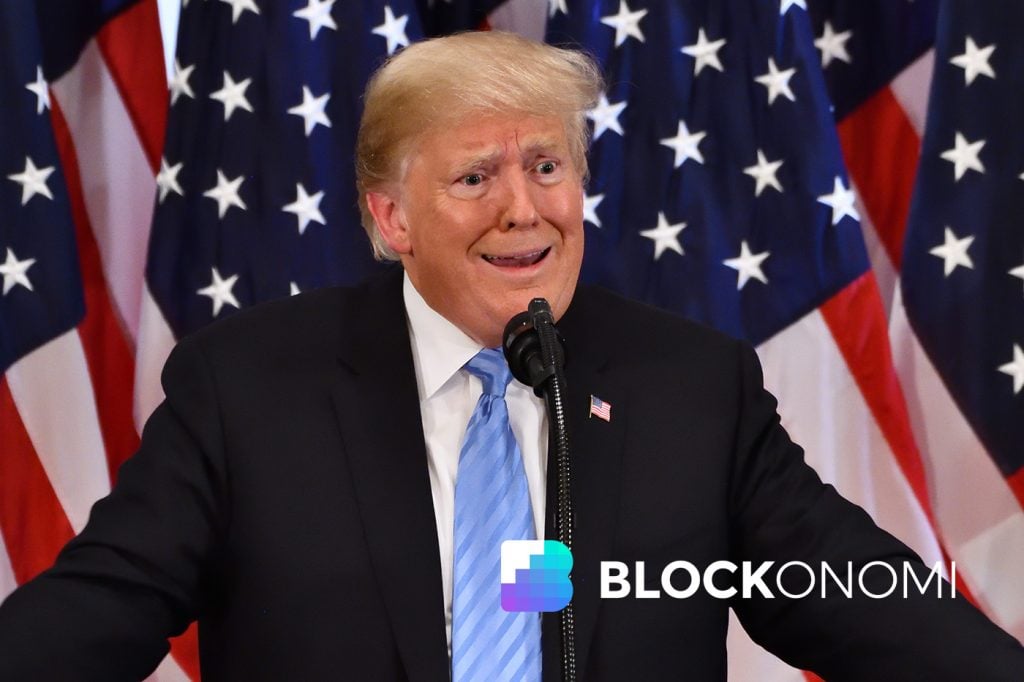
In a significant geopolitical move, President Donald Trump has declared the imposition of 10% tariffs on eight European countries, effective February 1, 2026. This decision escalates to 25% tariffs by June 1, 2026, targeting nations including Denmark, Norway, Sweden, France, Germany, the United Kingdom, the Netherlands, and Finland. The tariffs are positioned as part of Trump”s ongoing efforts to secure the purchase of Greenland, a territory Denmark has historically declined to sell.
Trump”s motivations for this tariff strategy are rooted in national security concerns. In a detailed statement, he expressed that the United States has long supported European Union countries without imposing tariffs, leading him to demand reciprocity from Denmark. He asserted, “We have subsidized Denmark, and all of the Countries of the European Union” for an extended period, advocating for a change in this dynamic.
The president highlighted the strategic implications of foreign interests in Greenland, particularly from China and Russia. He underscored that Denmark”s defense capabilities over Greenland are inadequate, claiming their current protective measures are minimal. Trump emphasized that only U.S. leadership could effectively navigate the complexities of this situation, framing it as critical for both U.S. national security and global stability.
Trump”s remarks included a warning regarding European nations” visits to Greenland, labeling these actions as potentially dangerous and posing unnecessary risks. He described the current geopolitical climate as “not tenable or sustainable,” asserting that the tariffs are essential for protecting U.S. interests.
Historically, the United States has sought to purchase Greenland for over 150 years, with Denmark consistently rejecting previous offers. Trump”s recent comments suggest that the urgency of this acquisition is more pressing than ever, citing advancements in military technology as a key factor. He referred to essential defense systems, including “The Golden Dome” and various offensive and defensive capabilities, asserting that these systems require Greenland”s inclusion for maximal operational efficiency.
In light of these developments, Trump expressed a readiness for immediate negotiations with Denmark and the other impacted nations, indicating that the U.S. government is open to discussions regarding the terms of the potential acquisition. His administration”s position emphasizes the importance of addressing this matter promptly.
The implications of these tariffs extend beyond mere trade policy; they highlight a broader strategy towards securing U.S. interests in a region of increasing geopolitical competition. As this situation unfolds, the responses from the targeted nations and the international community remain to be seen.