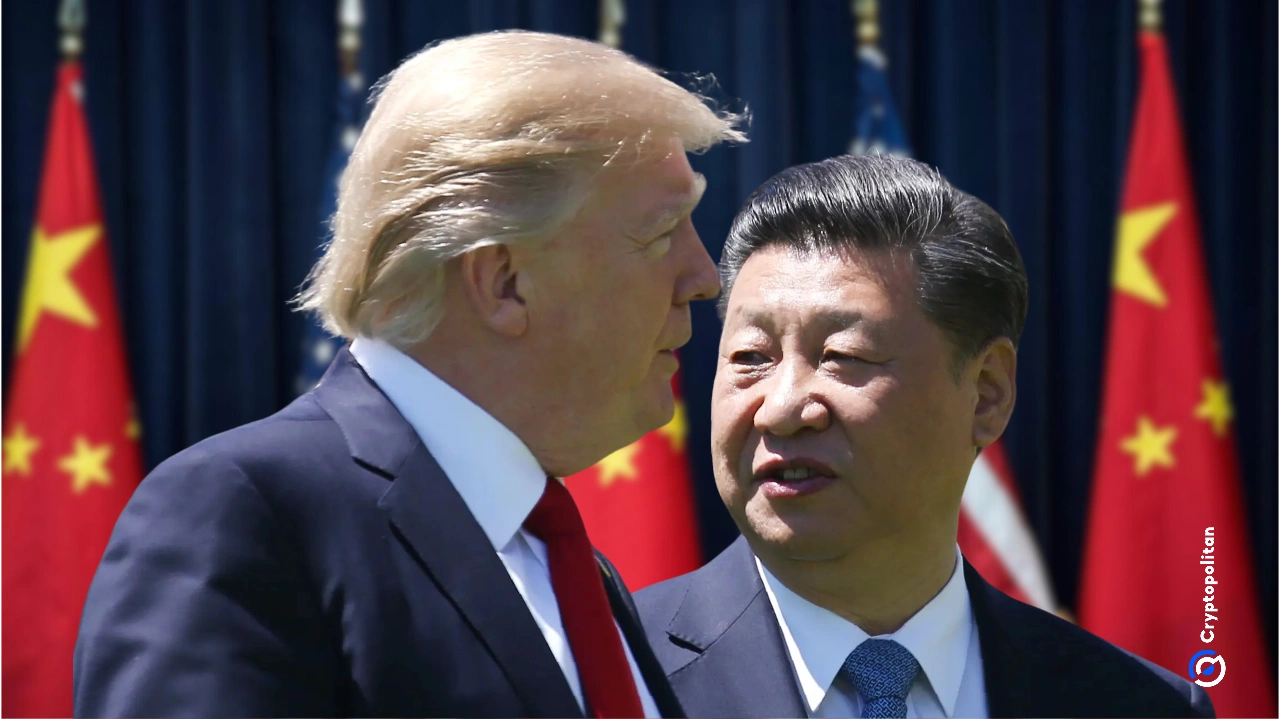
In a notable development, US President Donald Trump and Chinese President Xi Jinping held a lengthy phone conversation on February 4, 2026, addressing various critical issues, including trade, energy, military matters, Taiwan, Iran, and the ongoing conflict in Ukraine. This call marked their first direct communication in over two months, indicating the complexity and far-reaching implications of the US-China relationship, especially in the current challenging global landscape.
Xinhua News Agency reported that the call coincided with President Xi”s discussions with Russian President Vladimir Putin, where both leaders agreed to enhance their cooperation in response to what they described as a tumultuous global environment. This context underscores China”s intention to amplify its diplomatic influence amid shifting alliances and persistent global conflicts.
In a post on his social media platform, Truth Social, Trump expressed his satisfaction with the conversation, stating, “I just finished a great phone call with President Xi. It was a long and detailed call.” He emphasized the friendliness of the US-China relationship and expressed optimism for positive outcomes during his remaining term in office.
One significant outcome highlighted was China”s commitment to markedly increase its imports of US soybeans, rising from 12 million tons to 20 million tons this season, with projections to reach 25 million tons in the following season. Trump hailed this agreement as transformative for American farmers. However, analysts noted that Xinhua”s report did not mention these soybean purchases, highlighting potential discrepancies in the narratives emerging from high-level discussions.
Furthermore, the leaders also explored China”s potential purchases of US oil and gas. Trump pointed out that this could represent a substantial shift, as China has typically relied on countries such as Russia, Iran, and Venezuela for its energy needs. This aspect of the conversation is crucial for the US, reflecting broader efforts to encourage allies, including India, to reduce their dependence on Russian oil in favor of American and Venezuelan resources.
In addition, military and security concerns were addressed, particularly regarding the supply of jet propulsion systems and related security issues. This dialogue followed the US”s approval of an $11 billion arms package for Taiwan in December 2025, which aimed to strengthen Taiwan”s defense capabilities amidst escalating tensions with Beijing.
As the discussions unfold, the implications for global trade and diplomatic relations will be closely monitored, particularly regarding energy sourcing and military dynamics in the region.