







































On March 15, 2025, Kristalina Georgieva, Managing Director of the International Monetary Fund (IMF), issued a critical warning regarding the implications of rising conflict in the Middle East on the global economy. During a press briefing in Washington, D.C., she articulated that the ongoing hostilities pose a significant threat to the already fragile recovery from the pandemic.
Georgieva emphasized the necessity for policymakers to brace for potential disruptions in energy markets and complications within supply chains. This situation represents the third major challenge to global economic stability since the onset of the pandemic in 2020.
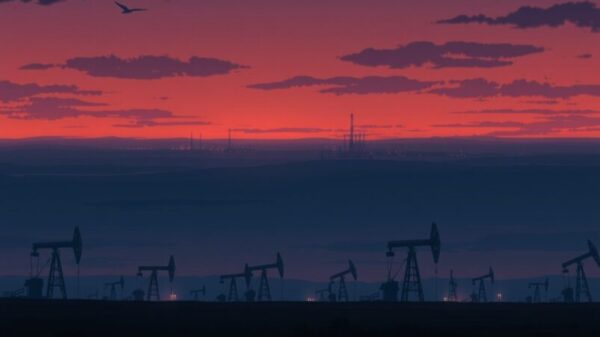
In her address, she outlined several immediate economic risks stemming from the conflict. The IMF identified energy markets as the primary channel through which regional instability could impact global economies. Additionally, critical shipping routes are at risk of disruption, which could further exacerbate inflationary pressures worldwide. Central banks may find themselves in a difficult position, needing to balance inflation control with economic growth.
Georgieva placed current events in historical context, referencing past Middle Eastern conflicts that led to significant oil price fluctuations. She pointed out that the 1973 oil embargo and the 1990 Gulf War both resulted in substantial market volatility. Today”s interconnected global economy could amplify the effects of such disruptions, particularly as supply chains remain vulnerable following recent global crises.
Key economic transmission channels highlighted by the IMF include:
- Energy prices: Potential disruptions in oil supply affecting global markets
- Trade routes: Critical shipping lanes threatened by conflict spillover
- Investor confidence: Increased risk aversion impacting investments in emerging markets
- Food security: Regional agricultural production and distribution networks at risk
The resilience of the global economy, built through successive crises since 2008, is now under significant strain. Georgieva noted that multiple simultaneous shocks, including the recent pandemic, are testing systems that have already been weakened.
Regions directly affected by the conflict, particularly Middle Eastern nations, face immediate economic repercussions. Neighboring countries are likely to experience challenges such as refugee flows and border security issues, while energy-importing developing nations could confront balance of payment crises. Furthermore, European economies remain susceptible to disruptions in energy supplies, and Asian manufacturing hubs are reliant on stable shipping routes through the impacted areas.
Despite historical parallels, there are notable differences in today”s economic landscape. The current global economy benefits from diversified energy sources, increased adoption of renewable energy, and the existence of strategic petroleum reserves. However, the heightened levels of debt accrued during recent crises introduce new vulnerabilities.
Georgieva underlined the urgency for coordinated international policy responses. The IMF is prepared to assist member countries needing financial support, with a focus on maintaining economic stability. Monitoring financial market reactions remains a priority for the institution.
Central banks face complex decisions as they strive to manage inflation while fostering growth. Any premature tightening of policies could worsen economic contraction, while delaying action might entrench inflationary expectations. Fiscal authorities, too, must navigate tough choices, potentially requiring targeted support measures and reinforcement of social safety nets in regions affected by conflict.
The humanitarian aspects of the conflict further complicate economic concerns, resulting in labor market disruptions and overwhelming demands on healthcare systems. Neighboring countries may struggle with increased public service demands due to refugee inflows, while security issues may deter tourism and investment.
As global markets respond cautiously, energy prices have begun to exhibit increased volatility, while safe-haven assets gain traction among investors. Emerging market currencies are under pressure, and commodity markets are reflecting concerns over supply.
In the long term, this conflict may catalyze shifts in global economic dynamics, potentially boosting investment in renewable energy and encouraging supply chain diversification. The international financial system may also face renewed scrutiny, especially regarding reserve currency arrangements and payment system resilience.
In conclusion, Georgieva”s remarks underscore the significant economic risks posed by the escalating conflict in the Middle East. As the global economy grapples with these challenges, the necessity for international cooperation and effective policy responses becomes ever more critical. The coming months will be pivotal in determining the resilience of the global economy amid this latest test.