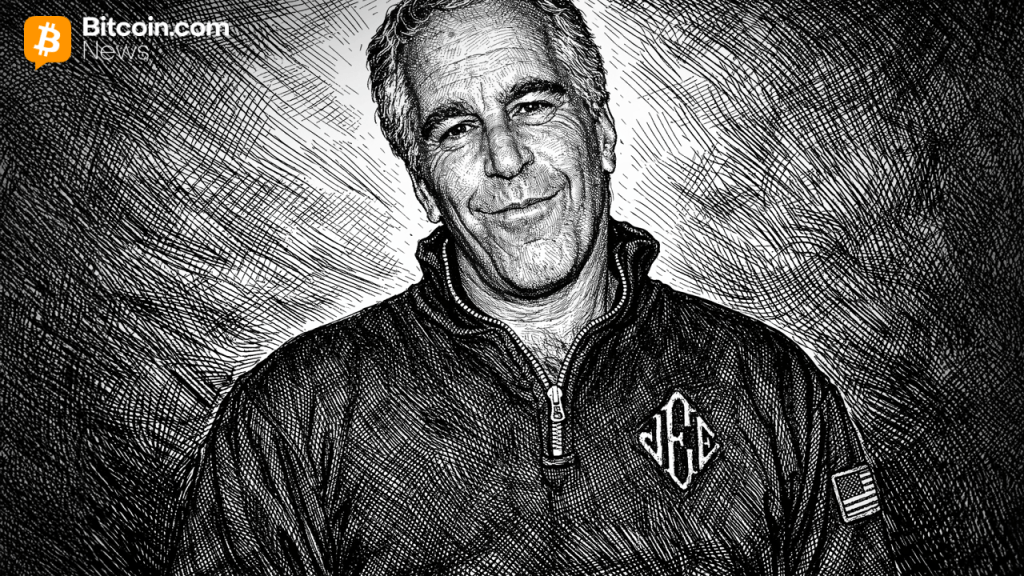
In early February 2026, the release of extensive records by the Department of Justice (DOJ) has brought fresh scrutiny to the crypto landscape, particularly focusing on Blockstream. These records, tied to the controversial figure Jeffrey Epstein, have ignited a wave of discussions that intertwine Epstein”s notorious past with the evolving world of digital currencies.
The documents reveal numerous references to Blockstream, leading to a resurgence of inquiries regarding its financial dealings and connections. Adam Back, the co-founder of Blockstream, has publicly denied any financial ties to Epstein, aiming to quell the rising tide of speculation and concern among crypto enthusiasts and investors.
As the cryptocurrency market grapples with ongoing challenges, this unexpected spotlight has led to divisive conversations on social media platforms. The revelations have prompted both skeptics and advocates of digital currencies to reassess their perceptions of the industry, raising questions about transparency and ethical practices within the crypto realm.
Amidst this turmoil, the broader market continues to feel the strain of external pressures, making the implications of the Epstein files even more significant. The intersection of high-profile controversies with the relatively young field of cryptocurrency presents a complex narrative that investors and observers alike must navigate.
The fallout from these revelations could have lasting effects on public trust in the cryptocurrency ecosystem. As discussions evolve, it becomes crucial for stakeholders to engage in informed dialogue about the future of digital currencies and the regulatory landscape that surrounds them.
In summary, the release of the Epstein-linked records has not only stirred controversy but has also become a pivotal moment for the crypto community to reflect on its values and the importance of integrity in its operations.