





































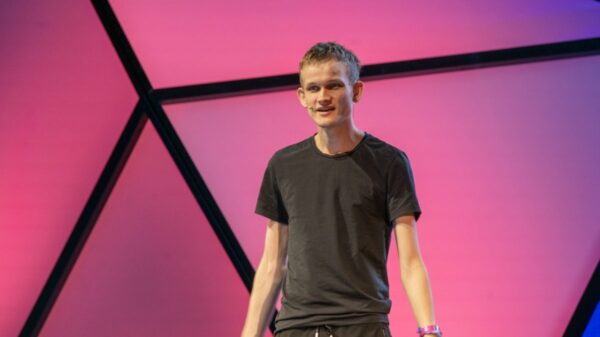




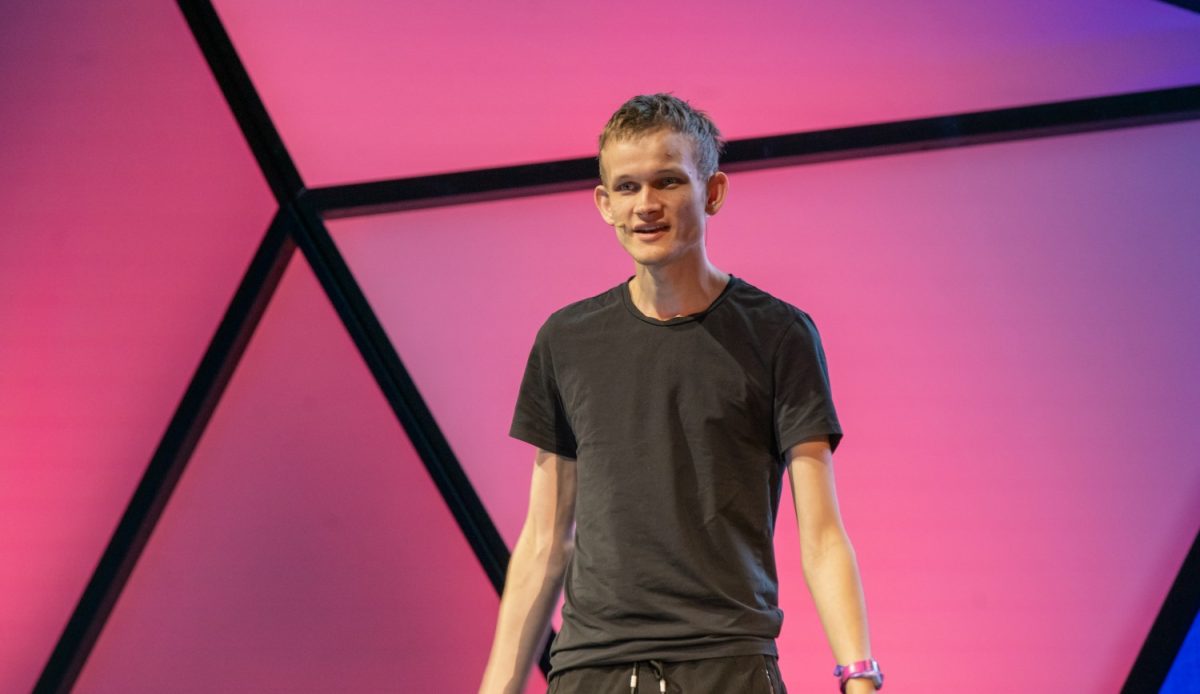
In a recent address, Vitalik Buterin called on developers within the Ethereum ecosystem to prioritize building applications that can stand the test of time, functioning independently of their original creators. This statement comes as Ethereum navigates a challenging market landscape, currently trading approximately 40% below its all-time high amid increasing competition from platforms like Solana.
Buterin”s vision for the future of Ethereum includes two significant protocol upgrades scheduled for 2026, dubbed Glamsterdam and Hegotá. These upgrades aim to enhance the base layer”s scalability while addressing issues related to node storage bloat. Buterin”s focus is not just on functionality but also on preserving fundamental principles such as censorship resistance, resilience, openness, privacy, and security—values he insists must remain non-negotiable despite pressures for mass adoption.
One of Buterin”s notable concepts is the “Walkaway Test,” which suggests that applications should operate effectively without the need for their creators or any centralized support. This approach advocates for decentralized user interfaces hosted through IPFS, steering clear of traditional centralized frameworks that currently dominate many Ethereum-based applications.
On the privacy front, Buterin envisions a future where private transactions can be as seamless as public ones. Innovative technologies like ORAM and Private Information Retrieval are being pursued to mitigate surveillance risks associated with RPC middlemen, which have become a significant vulnerability in user interactions within the network.
In addition to technical advancements, Buterin has highlighted the importance of “sanctuary tech,” tools designed to assist users in navigating real-world challenges such as financial instability and censorship. This stands in stark contrast to the speculative culture that has recently characterized the Ethereum landscape.
As part of the 2026 roadmap, the Glamsterdam upgrade is set for early in the year and focuses on reinforcing Ethereum”s foundational layer. Key features will include Proposer-Builder Separation, which enhances censorship resistance by streamlining block construction directly within the protocol. This upgrade also aims to improve transaction processing efficiency through parallel execution techniques, potentially increasing the Layer 1 gas limit significantly.
The subsequent Hegotá upgrade, planned for later in 2026, addresses the growing demands of running a full Ethereum node. By implementing improved data management strategies, including Verkle trees, Hegotá aims to ensure that even users with standard hardware can participate in the network without incurring excessive resource burdens.
Both upgrades are underpinned by Buterin”s long-term vision of integrating Zero-Knowledge technology. This shift would allow validators to verify ZK proofs instead of executing each transaction, simplifying operations and potentially achieving a target of 10,000 transactions per second.
In a backdrop of market challenges, including his recent sale of approximately 17,196 ETH, Buterin”s commitment to these ambitious goals reflects a determination to stabilize Ethereum”s position in the competitive landscape while addressing internal governance issues and enhancing user privacy.
Whether these initiatives will be sufficient to reclaim Ethereum”s preeminence in the face of rising competition remains uncertain. However, Buterin”s clear prioritization of core values and technical resilience marks a pivotal moment for the platform”s future.