The emergence of asset tokenization presents a pivotal moment in the realm of finance, addressing persistent issues such as illiquidity, prolonged settlement times, and market fragmentation. The promise of instant liquidity, fractional ownership, programmable assets, and global access is transforming how investors engage with a variety of asset classes.
Tokenization has the potential to democratize investment opportunities that were once reserved for affluent individuals. For instance, a $500,000 property can now be divided into smaller, more affordable slices, enabling broader participation. In addition, the tokenization of assets unlocks benefits that traditional finance cannot offer, such as immediate liquidity for assets that typically take weeks to trade.
The concept of programmability through smart contracts introduces automation into processes such as dividend distributions and compliance checks, while the blockchain ensures transparency. Moreover, the ability to invest across borders allows individuals worldwide to access previously exclusive markets, enhancing the accessibility of financial assets.
Current Trends in Tokenization
As the industry evolves, tokenization is no longer a fringe idea; it has garnered significant attention and investment. On-chain data indicates that real-world asset (RWA) tokenization has surpassed $35 billion, reflecting a steady growth trajectory. Major financial players, including custodians and asset managers, are actively piloting tokenized funds, bonds, and real estate offerings.
The momentum surrounding RWA tokenization is evident, with tokenized U.S. Treasuries alone reaching a market value exceeding $9 billion. The growing interest in on-chain collateral is driven by institutional demand and innovative blockchain platforms. Furthermore, private credit has surged, with tokenized issuances exceeding $18 billion, showcasing the appetite for yield-bearing assets.
Challenges and Speculation Risks
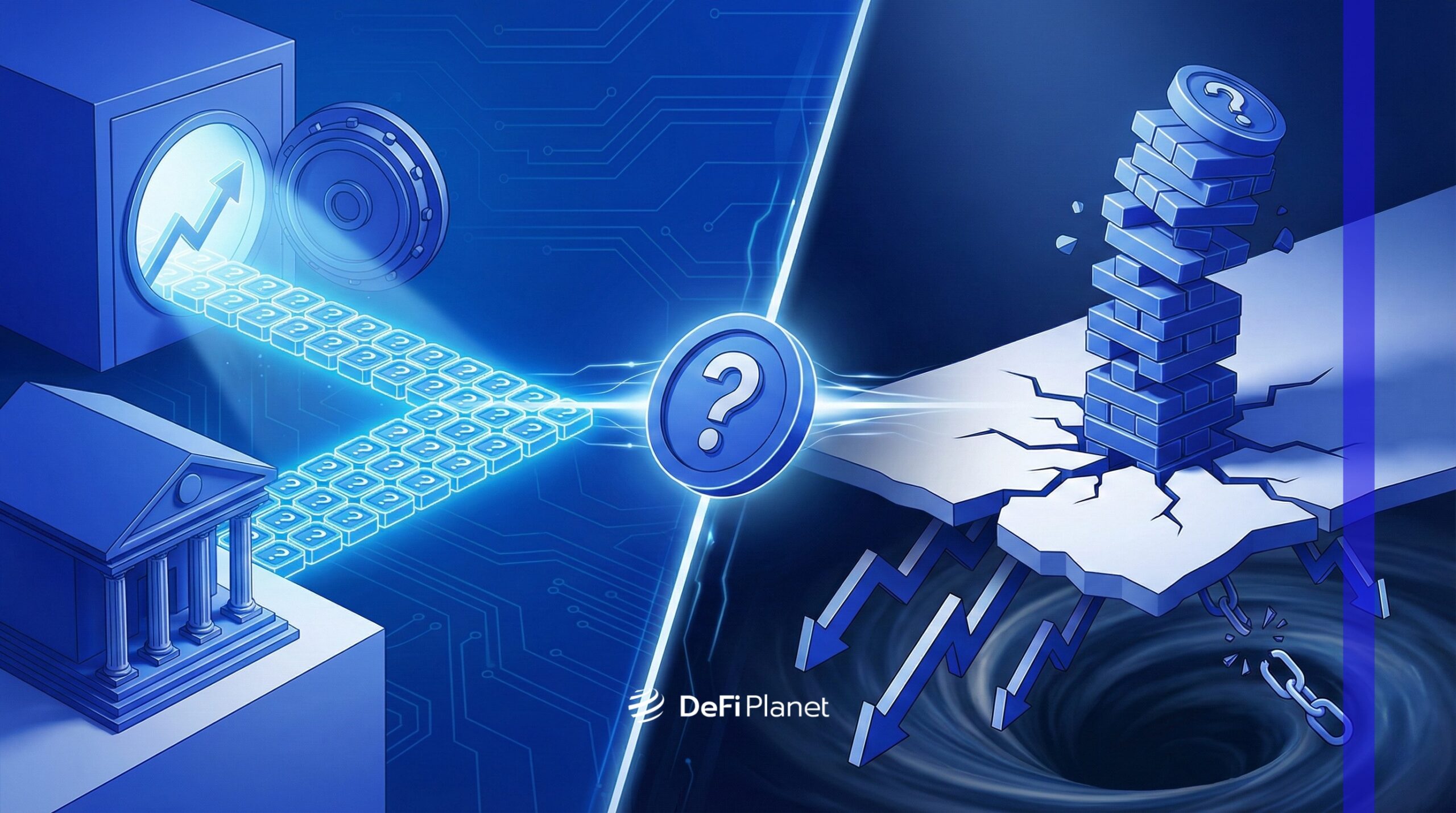
While the potential for enhanced liquidity through tokenization is evident, it is essential to recognize that mere tokenization does not guarantee real liquidity. Active market participation, reliable market makers, and trusted settlement frameworks are critical for turning tokenization”s promise into a functioning reality. Currently, many tokenized assets still experience limited trading volumes and inconsistent market standards.
Investors must be cautious; the hype surrounding tokenization can lead to speculative behaviors. Without a solid legal framework and genuine demand, tokenized assets may trade more on speculation than on intrinsic value. It becomes crucial to differentiate between assets that genuinely benefit from tokenization and those that may simply be riding the blockchain wave without substantive backing.
Successful models of RWA tokenization are characterized by compliance with regulatory frameworks, a clear economic purpose, and the adoption of interoperable infrastructure. This collaborative approach among custodians, tokenization platforms, and liquidity pools is crucial for establishing a sustainable ecosystem.
In conclusion, asset tokenization holds the potential to redefine finance, offering unprecedented accessibility and efficiency. However, the future hinges on recognizing the distinction between meaningful innovation and mere speculation. Investors and issuers alike must navigate these waters carefully, ensuring that the underlying structures support a viable marketplace.