
















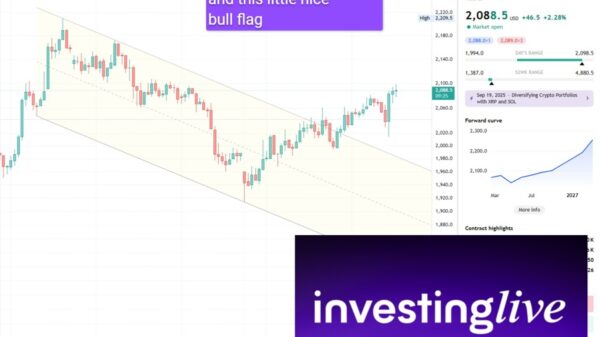


























The cryptocurrency landscape is witnessing pivotal developments as Ethereum hovers around the significant $2,000 support level. This price point is crucial as it tests a multi-year ascending trendline that has previously held up during major market downturns since 2019. Notably, exchange supply is at its lowest in a decade, indicating a potential accumulation phase among long-term holders. Analysts from Standard Chartered have projected a bullish trajectory for Ethereum, suggesting it could reach $40,000 over the next decade.
Meanwhile, Bittensor is trading between $183 and $195, consolidating within a narrower range as it prepares to launch new AI subnets. The decentralized AI marketplace recently introduced SN32 for AI text detection and SN62 for AI coding agents, aiming to increase its on-chain utility amid a rapidly growing global AI sector valued at $14.4 billion. The current price of Bittensor, fluctuating between $170 and $235, is significantly lower than its all-time high of $757.60, suggesting room for recovery.
In a noteworthy move, BlockDAG has released a Growth Strategy Document emphasizing the importance of building robust infrastructure ahead of market demand. The document outlines a phased approach: Phase 2 focuses on deploying physical hardware to secure the network, while Phase 3 aims for high-volume market accessibility through listings on major global exchanges. Currently, BlockDAG is trading at $0.14, with an After Sale price of $0.001. As the project progresses through its phases, the After Sale will eventually close, marking a transition to Phase 4 and exposing the token to a wider audience.
As Ethereum tests this critical trendline, with decade-low exchange supply and a sentiment of extreme fear in the market, there may be potential buying opportunities for investors. The Bittensor project continues to innovate within the AI space, and BlockDAG is methodically laying down the groundwork for future market engagement. The current landscape indicates that those developing essential infrastructure now are likely to emerge as the strongest performers in the coming years.