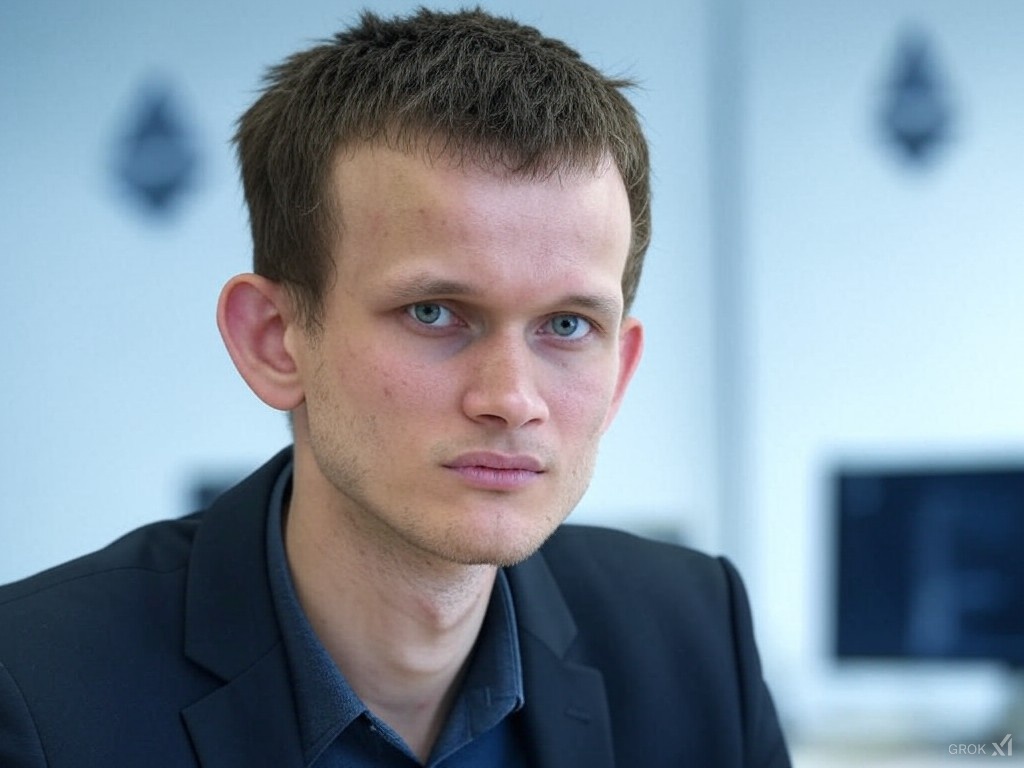
Ethereum remains a focal point of technical discussions within the crypto community, particularly concerning its execution layer. Recently, a group of four researchers from Offchain Labs, the developers behind the Ethereum Layer 2 protocol Arbitrum, publicly disputed co-founder Vitalik Buterin“s proposal to implement the RISC-V instruction set architecture (ISA) for the platform”s execution layer. In a comprehensive analysis shared on Ethereum Research, they advocated for the adoption of WebAssembly (WASM) as a more versatile and sustainable alternative for Ethereum Layer 1 smart contracts.
Buterin”s endorsement of RISC-V centers around its potential to significantly reduce costs associated with zero-knowledge (ZK) proving. However, the Offchain Labs team cautioned against the potential drawbacks of utilizing a single ISA for both contract delivery and ZK-proving processes. They proposed a dual-ISA approach that differentiates the “delivery ISA” (dISA) from the “proving ISA” (pISA), suggesting that WASM could effectively function as a robust dISA while allowing for RISC-V-based ZK verification in the background.
The researchers highlighted that “WASM can act as an Internet Protocol for smart contracts,” emphasizing its type safety, compatibility across numerous hardware platforms, and a comprehensive tooling ecosystem. They raised concerns that committing Ethereum to RISC-V might restrict its adaptability as ZK technologies continue to advance. They pointed out that WASM-compatible ZK virtual machines, such as Ligero”s Ligetron, have begun to showcase performance benefits.
Vitalik Buterin Raises Privacy Issues on X
In parallel developments, Vitalik Buterin has expressed serious concerns regarding user privacy on the social media platform X, previously known as Twitter. This follows the introduction of a new feature that discloses users” country locations, which some in the crypto sphere view as a potential security risk. Buterin shared his agreement with users who criticized this update, cautioning that such a change could make individuals, particularly those with significant wealth, more vulnerable to malicious actors.
X”s Director of Product, Nikita Bier, defended the feature, framing it as a tool to promote transparency and enhance information verification. However, the response from the crypto community has been overwhelmingly negative, with Uniswap founder Hayden Adams labeling the feature as “mandatory doxing.” Adams articulated that while voluntary location features could be acceptable, requiring all users to reveal their country is “psychotic.”
Buterin acknowledged the potential advantages of increased visibility and community insights provided by the feature, yet he reiterated that non-consensual information disclosure could endanger user privacy. Although X allows users to opt for regional information display or to disable country visibility altogether, critics maintain that privacy-sensitive users still confront risks.
Other commentators within the cryptocurrency sector, including venture capitalist Nic Carter, suggested that this feature might help mitigate the risk of misuse by foreign actors impersonating local accounts. This ongoing debate illustrates the delicate balance between transparency, user security, and privacy that continues to challenge both Web3 and social media platforms.
In summary, these discussions reflect the intricate pressures facing the crypto ecosystem: the need to balance technical innovation with adaptability, as illustrated by the WASM versus RISC-V discourse, alongside the imperative of safeguarding user privacy in an increasingly transparent digital landscape.