












































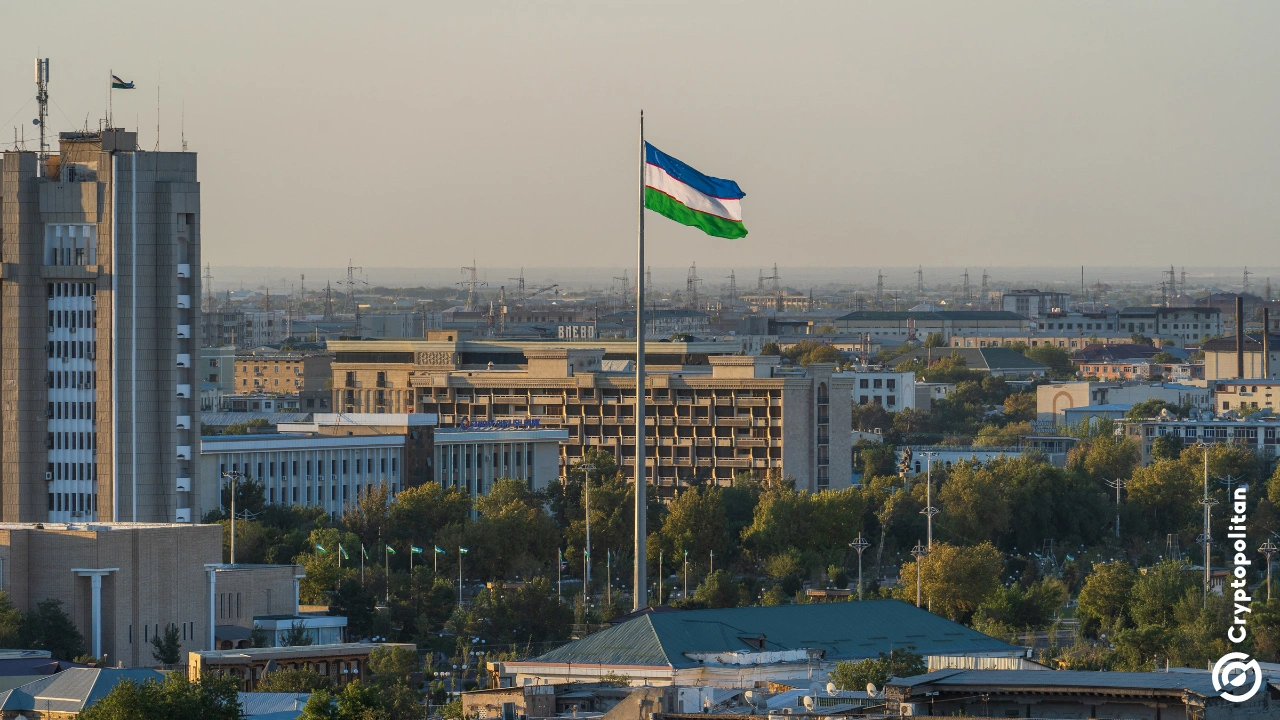
Uzbekistan has taken a landmark step by issuing its first cryptocurrency mining license, officially entering the growing coin minting market in Central Asia. This significant development concludes months of uncertainty surrounding the country”s regulatory framework for cryptocurrency mining.
The permit has been granted to NexaGrid, a private company planning its operations in the Bukhara region of Uzbekistan. The National Agency of Perspective Projects (NAPP), which operates under the administration of Uzbek President Shavkat Mirziyoyev, has authorized the registration, as reported by local news outlets.
NexaGrid was established in April 2025 with a registered capital of 600 million Uzbekistani sums, approximately $50,000. One of the founders, Toymurod Sultonov, expressed his enthusiasm for the license, stating that the process was conducted transparently. Sultonov shared on LinkedIn, “This isn”t just about Bitcoin. It”s about the courage to go where no one has gone before.”
As Uzbekistan”s first licensed miner, NexaGrid aims to set a precedent in the nation”s burgeoning crypto sector. Sultonov, who owns a 63% stake in the company, will lead the operations alongside his partner Makhmudjon Rozimurodov. The two entrepreneurs are committed to developing “the infrastructure of the future” in a region where skepticism about cryptocurrency has often prevailed.
This move positions Uzbekistan among its Central Asian neighbors, such as Kazakhstan, Kyrgyzstan, and Turkmenistan, which have already established themselves in the crypto mining arena. The NAPP had set regulations for issuing mining permits back in the fall of 2023, but it took over two years for the first legal crypto farm to be registered.
Under the new regulations, entities must provide a dedicated mining site that meets safety standards to apply for authorization. The guidelines encourage miners to utilize energy generated from their own solar installations, and installations connected to the public grid must have separate meters. Compliance with these regulations is critical, as failure to adhere can result in the rejection of mining license applications.
Moreover, miners are required to report their activities thoroughly to the NAPP and file transaction reports. The mining of anonymous cryptocurrencies is strictly prohibited. License applications must include comprehensive information about the proposed solar power systems, electricity supply agreements, mining hardware specifications, and the specific cryptocurrencies to be mined.
After a 15-day fee-free review, permits are issued as electronic certificates featuring QR codes. These licenses remain valid for five years but can be suspended for violations or revoked by court order.
Uzbekistan”s entry into the cryptocurrency mining sector marks a pivotal moment for the nation, demonstrating a willingness to innovate in a rapidly evolving digital landscape.