
































The ongoing crises in Iran and Venezuela have underscored the complex role of USDT as both a financial lifeline for citizens and a mechanism for circumventing economic sanctions. Millions in these nations are increasingly relying on stablecoins while traditional banking systems crumble under political and economic pressure.
In Venezuela, the collapse of the bolivar has led many to integrate USDT into their daily transactions. The stablecoin has become a preferred alternative to the banking system, with individuals using it for everything from paying service providers to conducting business transactions. “That”s how you pay your gardener and your hairdresser,” noted Venezuelan entrepreneur Mauricio Di Bartolomeo. “Even without regulated platforms, people still choose stablecoins over banks.”
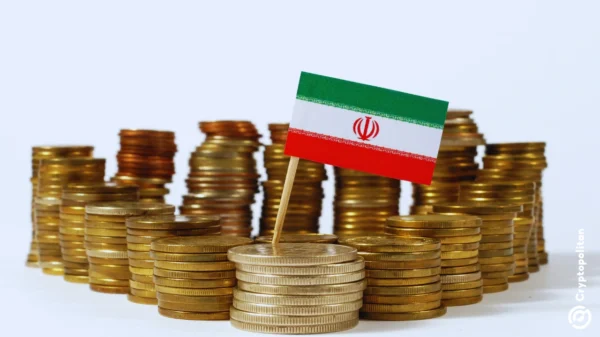
Meanwhile, in Iran, the rial has been steadily losing value, prompting citizens to seek refuge in stablecoins. The popularity of USDT, particularly on the Tron blockchain, has surged as individuals use it to protect their savings against rampant inflation. However, regulatory actions, including annual limits on stablecoin holdings and purchases, have posed challenges to adoption.
Behind the scenes, the utilization of USDT has also raised concerns among authorities. A report from TRM Labs revealed that Iran”s Islamic Revolutionary Guard Corps has reportedly funneled over $1 billion in stablecoins through UK-based shell companies. These entities, while appearing independent, form a cohesive network that facilitates sanctions evasion.
On the other hand, the state-owned oil company Petroleos de Venezuela has started demanding payments in USDT to bypass international sanctions imposed since 2020. An estimated 80% of its oil revenue is now processed in this digital currency.
Despite efforts by Tether to curb misuse by blocking wallets linked to illegal activities, the dual nature of stablecoins persists. Between 2023 and late 2025, Tether froze approximately $3.3 billion in assets, highlighting the ongoing struggle to balance utility and compliance.
The paradox remains that the same technology enabling families to safeguard their financial futures also facilitates the movement of funds by sanctioned entities. As traditional financial systems fail in these regions, stablecoins have evolved into instruments of survival amid chaos.