







































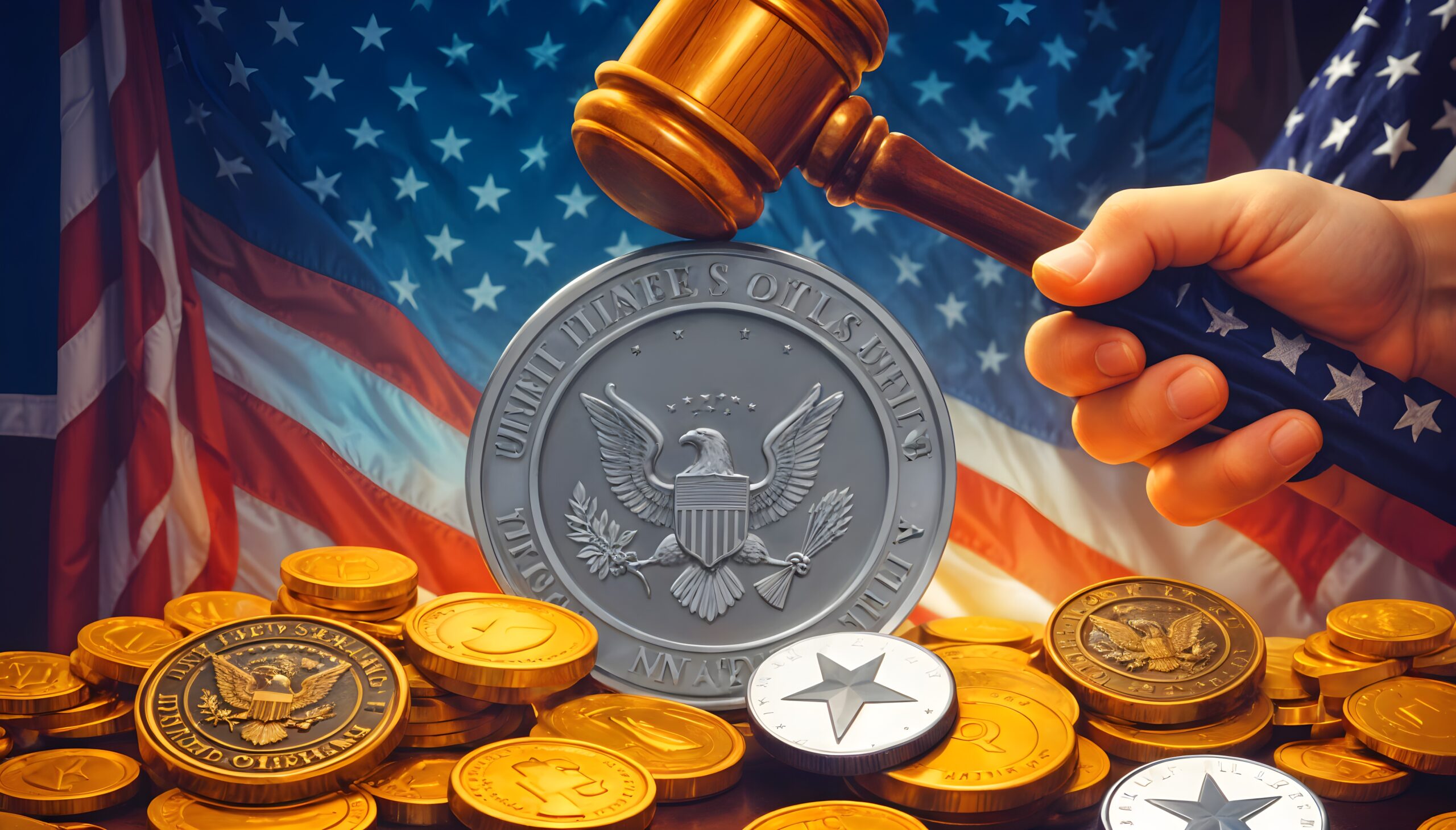
The US Senate has taken a significant step towards reshaping the regulatory landscape of the cryptocurrency market by introducing the Digital Asset Market Clarity Act. This draft bill aims to provide much-needed clarity in the regulation of digital assets, including major cryptocurrencies like Bitcoin and Ethereum, as well as stablecoins.
The legislation seeks to delineate the roles of regulatory agencies responsible for overseeing the crypto market, specifically differentiating between securities and commodities within the digital asset space. By establishing clear guidelines, the Senate hopes to alleviate the confusion that has historically plagued the industry, thereby fostering greater investor confidence and encouraging broader participation.
Among the critical provisions outlined in the bill, one of the focal points is the regulation of stablecoins. The proposed legislation restricts yields on stablecoins while permitting limited rewards. This dual approach is designed to ensure market stability and prevent potential manipulation, while also guaranteeing that stablecoins are adequately backed by reserves to protect investors” interests.
The draft bill has garnered bipartisan support, indicating a shared recognition of the necessity for clear regulations in the cryptocurrency arena. Lawmakers believe that this legislative effort could bolster the integrity of the crypto market, laying the groundwork for a more secure and structured industry.
This initiative aligns with global trends in cryptocurrency regulation, as various countries, including those in the European Union and Japan, are implementing their frameworks to govern digital assets. The US, having faced challenges due to inconsistent oversight between the Securities and Exchange Commission (SEC) and the Commodity Futures Trading Commission (CFTC), is now moving towards a more unified regulatory approach.
Furthermore, the bill mandates that exchanges and brokers register with regulatory bodies, enforcing anti-fraud measures and disclosure standards akin to those in traditional financial markets. This regulatory oversight is crucial not only for protecting investors but also for promoting innovation within the crypto sector. By balancing consumer protection with the need for technological advancement, the legislation aims to create a flexible regulatory environment that encourages the growth of blockchain technologies.
In conclusion, the introduction of the Digital Asset Market Clarity Act marks a pivotal moment in the ongoing evolution of cryptocurrency regulation in the United States. As the market matures, the need for clear and comprehensive guidelines becomes increasingly important for both industry participants and investors alike.