













































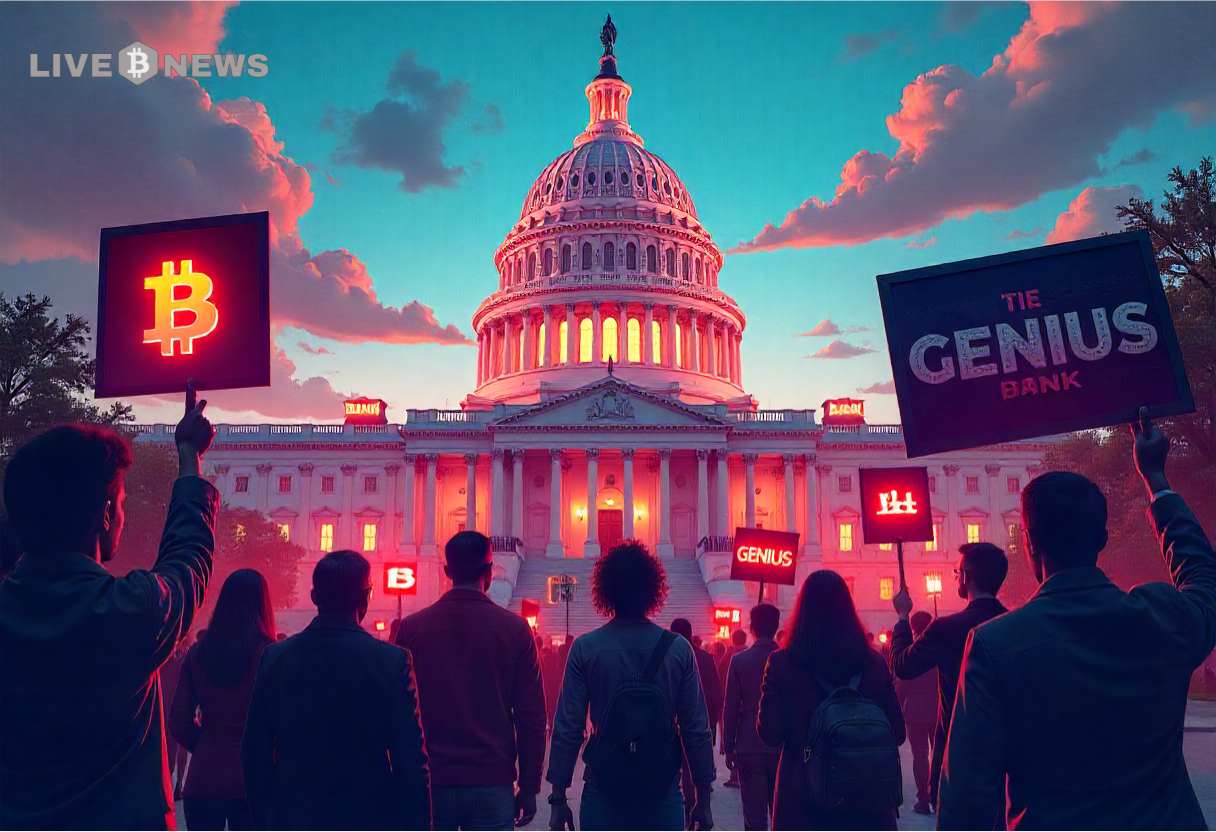
A significant development in the U.S. cryptocurrency landscape has emerged as a new Senate bill seeks to curtail the SEC“s authority over digital assets. This legislative move aims to clearly delineate the roles of the SEC and the CFTC, providing much-needed regulatory clarity for the crypto market.
As lawmakers work swiftly to establish new rules governing the cryptocurrency sector, the proposed legislation is seen as a turning point that could reshape the regulatory environment. With firms clamoring for stability and clarity, market analysts are closely monitoring Congress”s actions as momentum builds within the financial sector.
The bill specifically targets the SEC“s oversight of cryptocurrency markets, emphasizing the need to separate digital assets from traditional securities regulations. Proponents of the bill argue that this approach will enhance market order and legal certainty, a critical factor amid ongoing debates on crypto regulation in Congress.
Lawmakers are set to review the proposal in mid-January, but achieving committee approval will necessitate bipartisan support. This requirement means that negotiations will be essential to the bill”s advancement. Industry leaders have expressed concerns that the current regulatory ambiguity has led many companies to relocate their operations overseas, where more defined crypto frameworks are already in place.
In this context, U.S. officials find themselves under increasing pressure to foster domestic innovation in the cryptocurrency space. The urgency of this legislative process is underscored by the competitive landscape, where international markets have outpaced U.S. efforts in establishing regulatory clarity.
Known as the CLARITY Act, the proposed legislation mandates that both major political parties must support it to move forward. While committee passage seems achievable, the Senate”s debate rules require a supermajority of sixty votes for the bill to progress. Consequently, securing cross-party backing is crucial; Republican support alone may fall short of ensuring its final passage.
Discussions with Democratic lawmakers have continued during the legislative recess, with reports indicating that productive talks are taking place regarding market structure. These discussions aim to strike a balance between fostering innovation and ensuring consumer protections. The bill will also clarify how different types of tokens should be classified and outline registration requirements for exchanges, potentially reducing regulatory overlap.
The timing of this Senate initiative coincides with a resilient crypto market that has displayed continued activity despite prevailing policy uncertainties. As government operations have faced interruptions, the digital asset sector has remained active, with exchange-traded fund (ETF) filings resuming as regulatory agencies return to full capacity.
Analysts anticipate that this legislative effort will support a more structured growth of the cryptocurrency market, particularly as several ETF applications are currently under regulatory review. The clarity that may arise from this bill could lead to renewed trading activity across various digital assets.
The legislative landscape is also influenced by global developments, as other regions, including Europe, have already established regulatory frameworks for cryptocurrencies. With competitive pressures mounting, U.S. lawmakers are tasked with ensuring that the nation remains a leader in the innovation of digital finance.