










































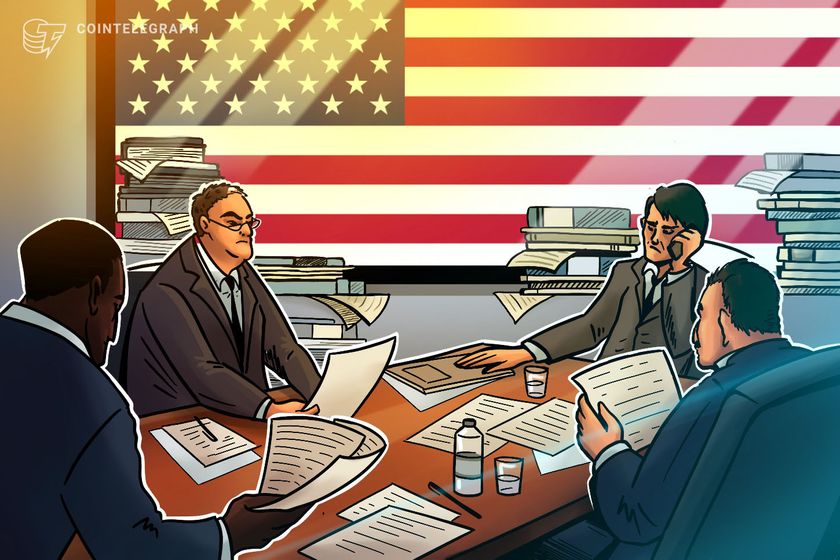
A coalition of US lawmakers is advocating for a permanent ban on the establishment of a Central Bank Digital Currency (CBDC) in the United States. Their stance is underscored by a recent letter from Congressman Michael Cloud, addressing House Speaker Mike Johnson and Senate Majority Leader John Thune, in which he emphasized the urgency of this legislative action.
The lawmakers expressed their concerns that any temporary ban would merely postpone the issue, citing a proposed amendment to the Federal Reserve Act that permits the issuance of a CBDC only after 2031. This amendment is part of the extensive “21st Century ROAD to Housing Act” (HR 6644), introduced by the Senate Committee on Banking, Housing, and Urban Affairs.
Cloud and his fellow Congress members argue that the creation of a US CBDC would fundamentally contradict American values, labeling it as “inherently anti-American.” They assert that the risks associated with a CBDC are too significant to allow for its eventual implementation, thus pushing for a more definitive and lasting prohibition.
The concerns surrounding CBDCs have been a topic of heated debate in financial and political circles, with advocates arguing that such currencies could modernize the financial system and provide benefits like increased transaction efficiency. However, opponents highlight potential threats to privacy and the traditional banking system.
As discussions about digital currencies intensify, the push for a permanent ban signals a pivotal moment in the ongoing dialogue about the future of money in the United States. Lawmakers are poised to continue their efforts to ensure that the US remains free from what they perceive as an overreach of government control over currency.