












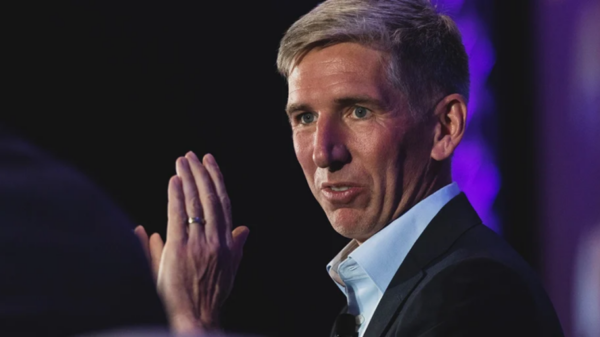






























A White House crypto advisor has clarified that the US government has not liquidated any Bitcoin forfeited in the Samourai Wallet case, addressing market speculation triggered by a recent on-chain transaction. The confirmation comes from Patrick Witt, executive director of the White House President”s Council of Advisors for Digital Assets, who stated that the assets in question remain untouched.
Witt”s announcement follows concerns over a transfer of 57.5 BTC from a government-controlled wallet to a Coinbase Prime deposit address. This movement raised questions about potential sales of the assets, leading to criticisms from market participants who highlighted Executive Order 14233. This directive, signed by former President Donald Trump in March, mandates that any Bitcoin acquired through criminal or civil forfeiture is to be retained for the US Strategic Bitcoin Reserve, not sold.
The recent clarification from the Department of Justice (DOJ) has dispelled accusations that the US Marshals Service acted against this directive. According to the latest data, the US government remains one of the largest holders of Bitcoin globally, controlling approximately 328,372 BTC, with a total value exceeding $31 billion at current market rates.
Witt reiterated the government”s commitment to expanding the Strategic Bitcoin Reserve. He noted that this initiative relies on cooperation between the Treasury and Commerce departments to resolve existing legal and operational challenges. Legislative efforts are also underway, with a proposed bill sponsored by Cynthia Lummis aiming to accelerate the accumulation of Bitcoin reserves, potentially targeting the acquisition of up to 1 million BTC over the next five years.
In a related development, the legal situation surrounding the Samourai Wallet case has taken a political turn. Two developers associated with the wallet received prison sentences in November for allegedly processing over $237 million in criminal proceeds. Keonne Rodriguez was sentenced to five years, while his co-developer received a four-year term. Both were ordered to forfeit approximately $6.3 million in fees accrued through their platform.
In December, former President Trump indicated he might consider a pardon for Rodriguez, further complicating the narrative. Rodriguez has publicly expressed his view that the prosecution represents a form of “lawfare” and reflects a politicized Justice Department under the current administration.
This series of events underscores the ongoing tension between regulatory actions and the evolving landscape of digital assets, as the US government navigates its role in the cryptocurrency space.