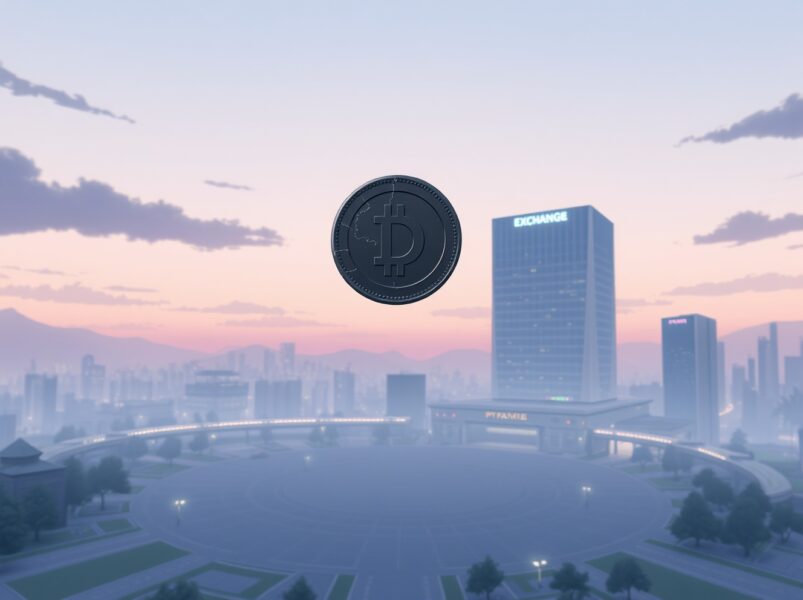
In a pivotal action for the Asian cryptocurrency sector, South Korea”s prominent digital asset exchange, Upbit, revealed on March 15, 2025, that it has placed the DENT token on its official delisting watchlist. This announcement has generated significant reactions within the trading community, underscoring Upbit”s unwavering commitment to user safety and market integrity.
Upbit communicated this decision through an official advisory to its users, explaining that the action was the result of a thorough periodic review aligned with global best practices for virtual asset management. The exchange”s internal review committee pinpointed several critical deficiencies in the operational framework of the DENT project.
The shortcomings identified have raised serious questions regarding the sustainability and transparency of the DENT token. These areas of concern include:
- Disclosure of Important Information: Upbit cited a lack of clear and regular communication from the DENT team about project advancements, financial status, and strategic shifts.
- Transparency of Change Procedures: The processes governing significant updates, tokenomics alterations, or governance decisions lacked clarity and community engagement, suggesting potential centralization issues.
- Asset Utility and Business Viability: Questions were raised about the actual utility and adoption rate of the DENT token, alongside concerns about the long-term viability of its associated business model.
These issues led Upbit to conclude that there was an increased risk of user harm, evidenced by the potential for sudden value drops and access issues. The exchange”s watchlist serves as a formal caution, allowing the DENT project a chance to rectify the highlighted shortcomings before facing a complete delisting.
Upbit”s evaluation framework has evolved, particularly following the introduction of South Korea”s Travel Rule and heightened regulatory guidance. As exchanges take on more responsibility for the assets they list, this proactive approach aims to mitigate regulatory risks and safeguard investors.
The current situation is not unique to DENT. In recent times, major exchanges globally, including Binance and Coinbase, have systematically delisted numerous tokens, largely driven by regulatory pressures and a shift towards higher-quality assets. This trend is particularly acute in South Korea, where the Financial Services Commission has mandated exchanges to adopt stringent self-regulatory measures.
The market response to Upbit”s announcement was immediate, often resulting in selling pressure for the affected asset. Historical patterns from similar situations on other Korean exchanges indicate substantial price declines in the days following such news. For DENT holders, the next steps are crucial; the Upbit notice typically outlines a review period, often ranging from 30 to 60 days. During this timeframe, the DENT team must demonstrate significant improvements to retain their listing.
In conclusion, Upbit”s decision to flag DENT highlights a critical shift in the cryptocurrency landscape towards greater accountability and sustainability. As the regulatory landscape continues to evolve, rigorous asset reviews by exchanges are likely to become increasingly standard, distinguishing between projects that can thrive and those that fall short of the necessary standards.