







































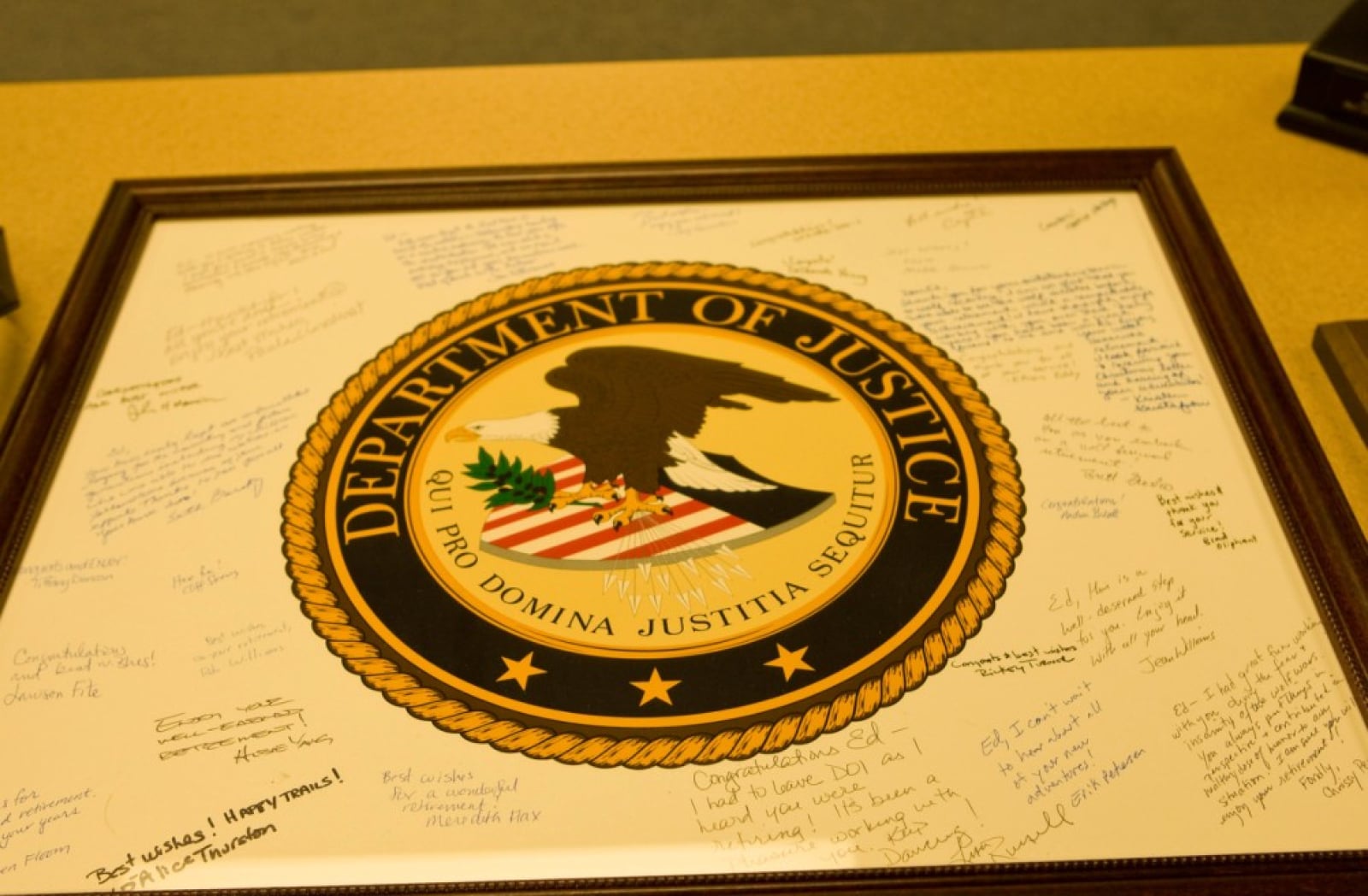
The U.S. Department of Justice has clarified that the Bitcoin forfeited by the developers of Samourai Wallet will not be sold. Instead, these assets are set to remain within the United States” Strategic Bitcoin Reserve (SBR). This announcement was made by Patrick Witt, executive director of the President”s Council of Advisors for Digital Assets.
This confirmation follows initial reports that suggested the Justice Department, through the Southern District of New York and the U.S. Marshals Service, might have liquidated approximately $6.3 million worth of Bitcoin as part of the plea agreements for the developers, Keonne Rodriguez and William Lonergan Hill. Prosecutors alleged that Samourai facilitated the movement of over $2 billion in illicit funds, including laundering more than $100 million through various criminal activities.
In July 2025, both co-founders of Samourai Wallet pleaded guilty to charges of operating an unlicensed money transmitting business. By November 2025, they were sentenced to multi-year prison terms. The controversy surrounding their case originated from the November 2025 forfeiture when the developers transferred roughly 58 BTC to the U.S. Marshals Service.
Further scrutiny arose from public filings indicating that these assets had been sent to a custody address linked to Coinbase Prime. Concerns were raised about the possibility that these Bitcoins could have been sold, thus violating Executive Order 14233, which mandates that Bitcoin obtained through criminal or civil forfeiture be retained on the federal balance sheet and integrated into the SBR.
While some observers speculated that the transaction may have circumvented direct custody by the U.S. Marshals Service, it has now been confirmed that the Bitcoins will remain on the balance sheet of the U.S. government. There are no intentions to liquidate these coins, providing clarity amid earlier uncertainties in the case.
This decision highlights the ongoing scrutiny and regulatory challenges faced by cryptocurrency projects, particularly those involved in legal controversies. The case of Samourai Wallet serves as a reminder of the complexities surrounding cryptocurrency regulations and the implications of forfeitures in this rapidly evolving landscape.