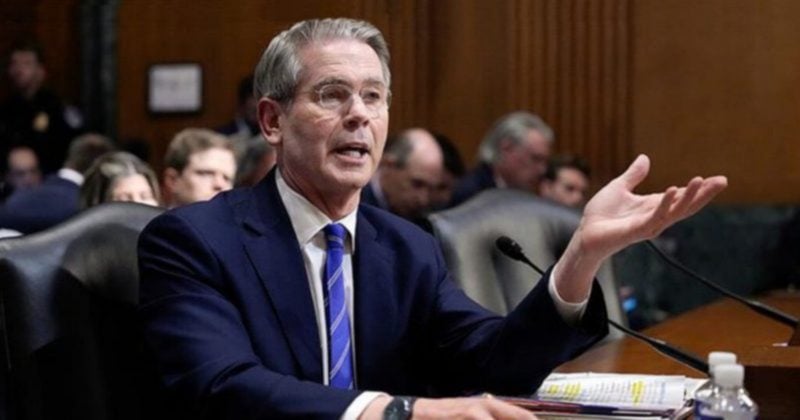
The former Treasury Secretary under Trump, Bessent, has reiterated a significant commitment to integrating seized Bitcoin into the nation”s strategic reserves. This decision not only aligns with evolving governmental strategies regarding digital assets but also raises implications for future regulatory frameworks surrounding cryptocurrencies.
By adding confiscated Bitcoin to national reserves, Bessent”s approach could reshape how governments view and interact with digital currencies. This move reflects a growing recognition of Bitcoin as a legitimate asset class, potentially influencing global digital asset strategies.
The implications of this commitment are profound, as they may set a precedent for other countries considering similar actions. As regulators worldwide grapple with the rapidly evolving cryptocurrency landscape, Bessent”s stance could inspire a wave of regulatory scrutiny and adaptation.
This strategic decision underscores the increasing importance of Bitcoin in the financial ecosystem. As governments recognize its potential value, the discourse around digital asset regulations will likely intensify, prompting a re-evaluation of existing frameworks.
With the incorporation of seized cryptocurrencies into national reserves, the economic landscape may see shifts that resonate beyond the immediate financial implications. Stakeholders in the cryptocurrency sector must stay alert to these developments, as they could herald significant changes in market dynamics and regulatory attitudes.
In summary, Bessent”s commitment to adding seized Bitcoin to strategic reserves marks a pivotal moment in the intersection of traditional finance and the burgeoning world of digital assets. As this initiative unfolds, its influence on future regulations and global digital asset strategies will be closely watched.