










































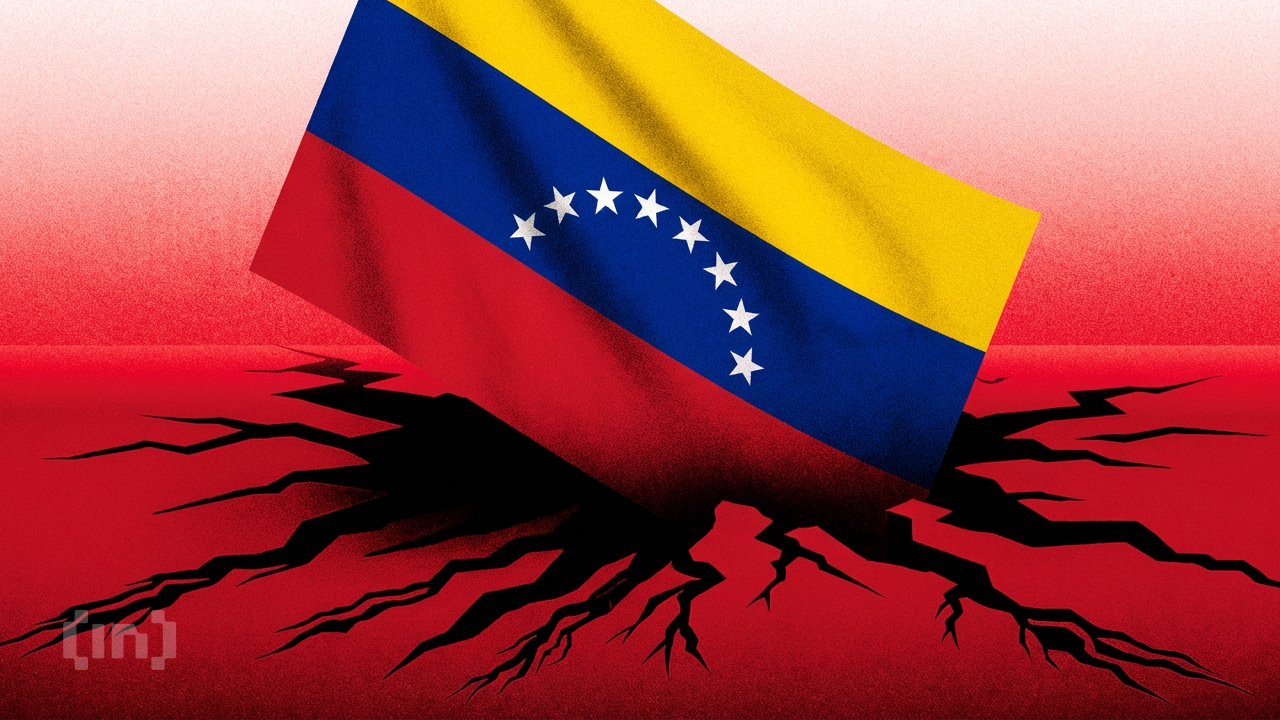
In a significant geopolitical move, President Donald Trump announced on Tuesday that Venezuela”s “interim authorities” are set to transfer between 30 and 50 million barrels of oil to the United States. This announcement follows a military operation in which U.S. forces captured Nicolás Maduro, the former Venezuelan leader. The development has ignited speculation regarding other Venezuelan assets that might be targeted next, particularly the country”s purported Bitcoin holdings.
Trump conveyed the transaction details via a post on Truth Social, stating that the oil would be “sold at its market price,” and the proceeds would be “controlled by me, as President of the United States.” At an estimated price of $56 per barrel, this deal could potentially amount to as much as $2.8 billion. To discuss the implications for Venezuela”s oil sector, the White House has scheduled a meeting for Friday with executives from major energy companies, including Exxon, Chevron, and ConocoPhillips, indicating a broader interest in Venezuelan resources.
With physical assets now en route to U.S. shores, attention has shifted to the alleged cryptocurrency holdings of Venezuela. Reports suggest that the Maduro regime may have amassed a “shadow reserve” of Bitcoin as a means to navigate international sanctions. However, estimates of Venezuela”s Bitcoin holdings vary dramatically. Some reports, such as those from Project Brazen, estimate that the country could possess around $60 billion in Bitcoin, while Bitcointreasuries.net claims the actual figure is only 240 BTC, valued at approximately $22 million. Neither estimate has been substantiated with on-chain analysis, and specific wallet addresses or custodians remain unidentified.
Experts argue that it is plausible Venezuela would seek exposure to Bitcoin, particularly given its isolation from traditional financial markets. The country has a history of experimenting with cryptocurrencies, having launched the failed petro token in 2018.
Unlike the physical oil that can be redirected to American ports, Bitcoin presents a unique challenge for seizure. The confiscation of cryptocurrency necessitates access to private keys or cooperation from custodians within U.S. jurisdiction. Given Venezuela”s sanctions status, it is unlikely that Maduro”s regime would have employed American or allied custody services. Moreover, it is probable that any Bitcoin holdings have been dispersed across numerous wallets, complicating tracking efforts.
However, the very characteristics that make Bitcoin difficult to confiscate also facilitate its rapid movement. Anyone in possession of the correct private keys can transfer Bitcoin globally in moments. Should U.S. authorities manage to obtain these keys from Maduro or his associates, they could potentially seize vast amounts of cryptocurrency almost instantaneously. This creates a tense situation where assets could either be inaccessible or very easily appropriated, with little middle ground.
This speculation gains weight in light of Trump”s recent executive order aimed at establishing a strategic Bitcoin reserve “at no cost to taxpayers.” Critics have raised questions about how the government might accumulate such a reserve without direct purchases. Seizing Venezuelan Bitcoin, if it exists in significant quantities, could theoretically help address this issue. Nonetheless, legal challenges would arise, requiring a direct link between any holdings and criminal charges within U.S. courts.
Regardless of the outcome, some observers in the cryptocurrency market see potential long-term bullish implications. Should the administration acquire Bitcoin, it is likely they would retain it rather than sell, aligning with their stated intent to build a strategic reserve. As it stands, while Venezuelan oil heads to U.S. ports, any Bitcoin holdings remain shrouded in mystery, locked away behind unknown keys, possibly beyond the reach of even the most intense enforcement actions.