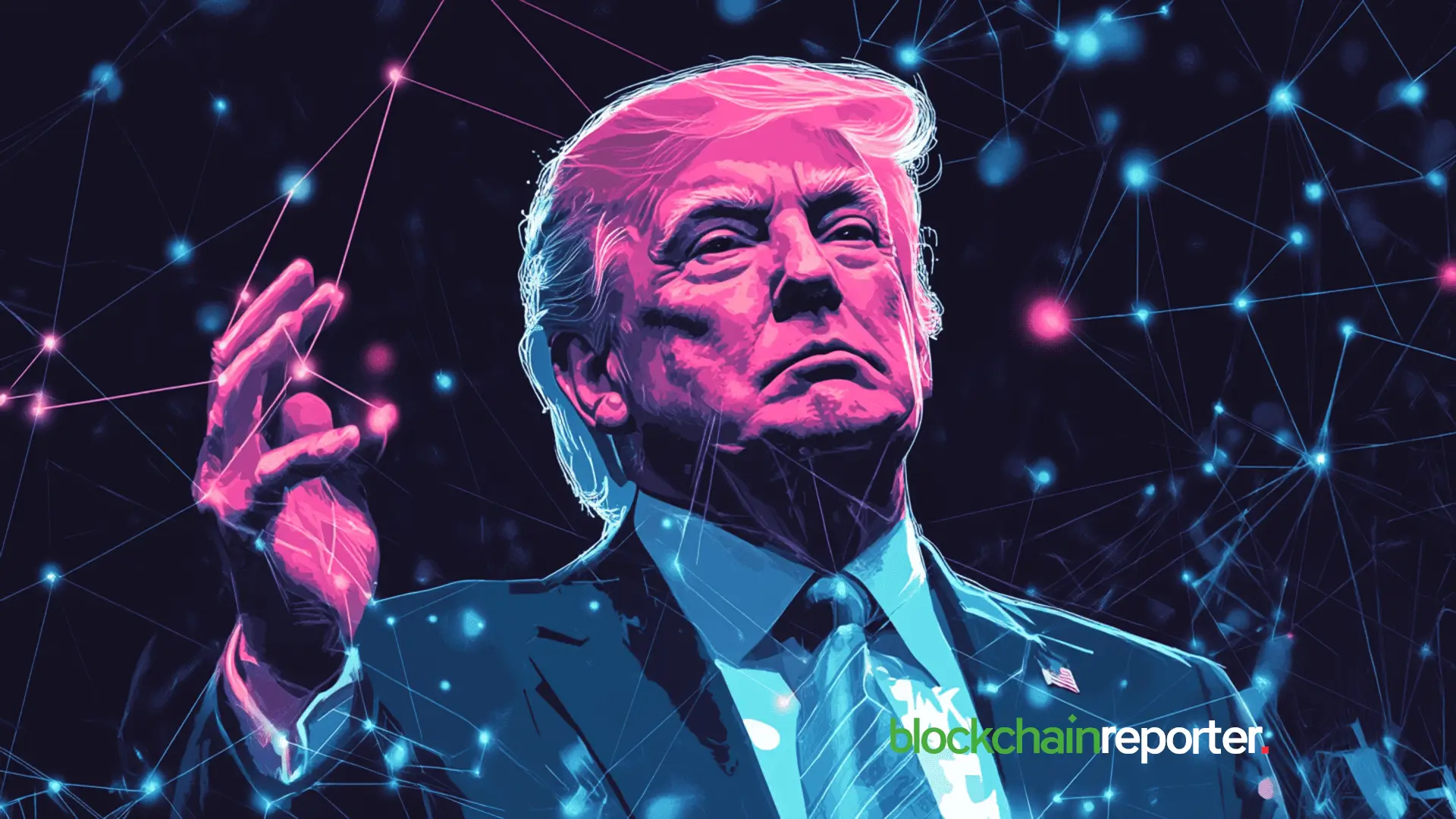
In a significant development for the cryptocurrency landscape in the United States, former President Donald Trump has established a committee aimed at officially endorsing and legalizing crypto assets. This initiative, dubbed the “dream team” by White House “Crypto Czar” David Sacks, includes prominent figures such as CFTC Chair Michael Selig and SEC Chair Paul Atkins, who are expected to drive regulatory clarity and support for the burgeoning crypto sector.
The primary objective of this team is to navigate the complex legislative environment in Washington to facilitate the recognition of digital assets as legitimate financial instruments. Sacks emphasized that the U.S. has now acquired leadership that acknowledges the significance of cryptocurrencies, predicting that this will unlock new opportunities for the future of the industry.
According to reports from CryptosRus, a well-known crypto educational platform, the team is actively working to establish a clear regulatory framework that will benefit various aspects of the crypto ecosystem, including exchanges, decentralized finance (DeFi), and stablecoins. This effort includes defining the responsibilities of regulators and distinguishing between securities and commodities concerning different tokens.
As cryptocurrency adoption continues to rise, the formation of this regulatory team signals a potential shift in how digital assets will be treated under U.S. law. The proactive stance taken by Trump”s administration aims to provide legal certainty, which could encourage further investment and innovation in the space.
Market observers note that Trump”s growing affinity for cryptocurrencies could herald a new era characterized by increased legitimacy and acceptance of crypto assets. The legislative groundwork laid by this committee could pave the way for a more robust and transparent marketplace, aligning with the interests of both new and seasoned investors.
In summary, as the landscape of digital assets evolves, Trump”s “dream team” appears committed to creating a smoother regulatory pathway for the crypto industry, potentially marking the beginning of a new chapter in American cryptocurrency policy.