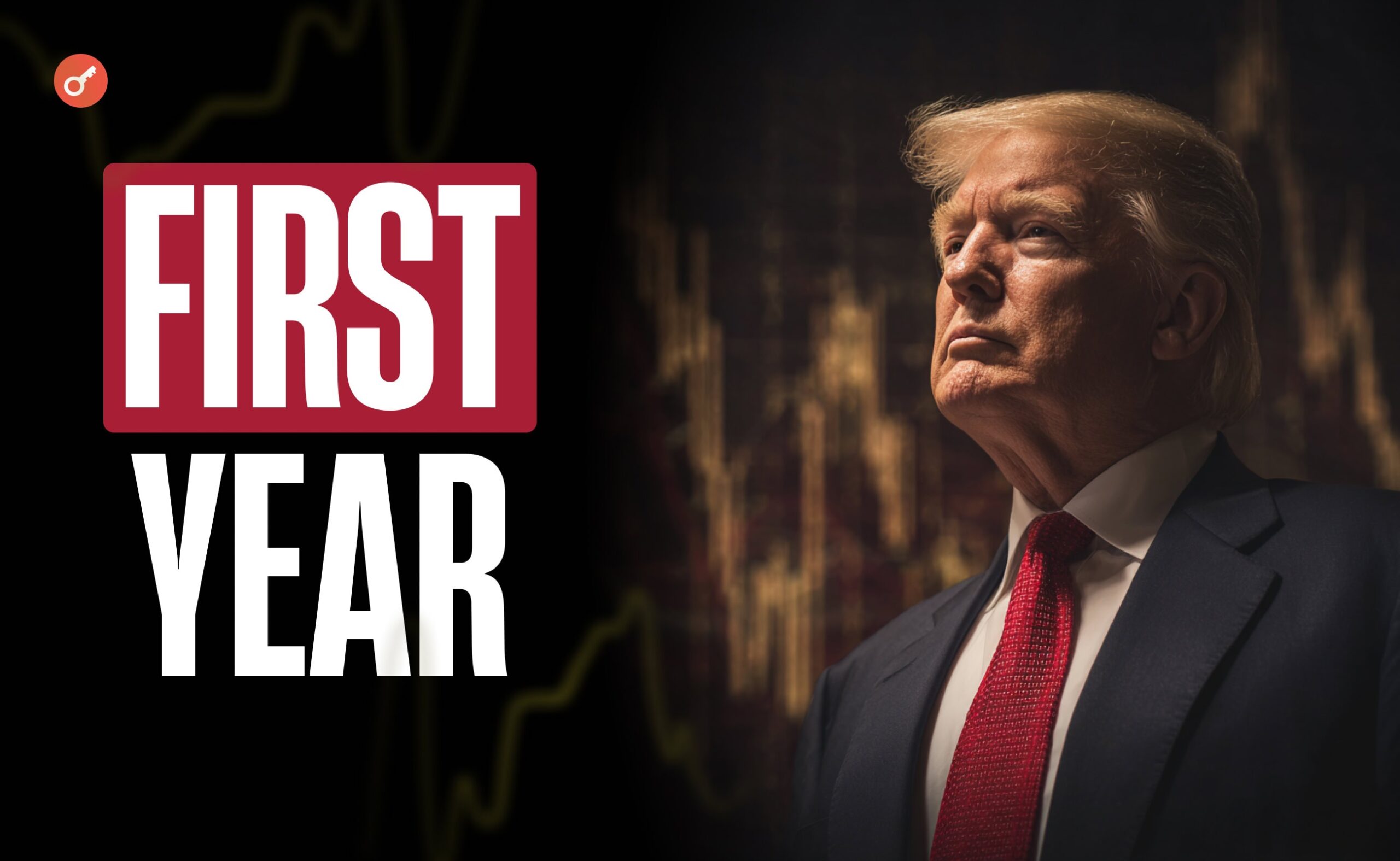
As January 20, 2026, marks the first anniversary of Donald Trump”s second term as US president, the cryptocurrency sector reflects on a year filled with notable developments. From high-profile memecoin launches to evolving regulatory approaches, the past twelve months have been pivotal for digital assets.
During this period, Trump emerged as a significant player influencing the cryptocurrency market. His administration”s policies have shaped regulation, impacted the macroeconomic environment, and altered the behavior of digital assets. Furthermore, the Trump family”s expanding involvement in the crypto space has raised questions about potential conflicts of interest.
Shifts in Regulatory Landscape
In the early days of his presidency, Trump articulated a pro-cryptocurrency stance. His administration quickly began assembling a team tasked with revising the preceding administration”s regulatory framework concerning digital currencies. Key appointments included Howard Luttin as Secretary of Commerce and economist Steven Muran on the Federal Reserve Board.
The most notable appointment was Paul Atkins as chairman of the SEC, who has been vocal against “regulation through coercion.” In a significant move in January 2025, Trump signed an executive order aimed at establishing a working group dedicated to digital financial technologies. The group”s objectives included evaluating cryptocurrency regulations and exploring the creation of a national digital asset reserve.
March saw the establishment of a strategic US Bitcoin reserve funded by confiscated assets, further signaling a shift in policy. Legislative progress followed in July 2025 with the signing of the GENIUS Act, which outlined requirements for the security and auditing of dollar stablecoin issuers. By August, the administration permitted investments from 401(k) retirement accounts into cryptocurrencies, marking a significant milestone for crypto integration into mainstream finance.
Under Trump”s watch, approximately 60% of cases against cryptocurrency firms were rolled back or suspended, suggesting a softer regulatory approach. However, as January 2026 approached, the clarity of the regulatory agenda became muddled, with reports indicating the Senate Banking Committee postponed deliberations on a crucial bill regarding crypto market structure.
Bitcoin”s Market Volatility
The cryptocurrency market”s dynamics, particularly Bitcoin”s, have shown sensitivity to Trump”s policies. Despite an initial surge that saw Bitcoin reach an all-time high of over $109,000 shortly after Trump”s inauguration, the asset faced significant volatility throughout the year.
Trade policies and tariffs introduced by the administration led to fluctuations in Bitcoin”s price, with the asset dipping below $100,000 in February and later below $75,000 in the spring. However, subsequent comments from Trump regarding monetary policy helped Bitcoin recover to approximately $94,000 before settling around $91,000 by year-end, reflecting a negative annual decline of over 10%.
Trump Family”s Crypto Ventures
Amidst the evolving regulatory landscape, the Trump family”s involvement in the cryptocurrency sector has also gained attention. Just prior to his inauguration, Trump launched the TRUMP memecoin, followed by the MELANIA token on the day he assumed office. Both tokens experienced rapid capital growth but later faced significant devaluation.
In April, the Trump Media & Technology Group unveiled plans for Web3 initiatives, including the fintech brand Truth.Fi. The family”s World Liberty Financial project reported over $57 million in earnings tied to the WLFI token, highlighting their active engagement in the crypto market.
Meanwhile, Donald Trump Jr. and Eric Trump have ventured into various crypto projects, with Eric taking on a managerial role at American Bitcoin, a mining firm. Their activities have further solidified the family”s presence in the crypto infrastructure.
Pardons and Political Implications
Throughout 2025, Trump granted pardons that resonated within the cryptocurrency community, including those for Silk Road founder Ross Ulbricht and co-founders of the BitMEX exchange. These actions were perceived as indicative of a lenient stance toward the industry, despite Trump”s firm rejection of a pardon for former FTX leader Sam Bankman-Fried.
Overall, the past year has illustrated the complex interplay between Trump”s policies and the cryptocurrency sector. Regulatory changes, macroeconomic influences, and the Trump family”s entrepreneurial endeavors have collectively shaped a narrative where the crypto market remains closely tied to US political developments.