








































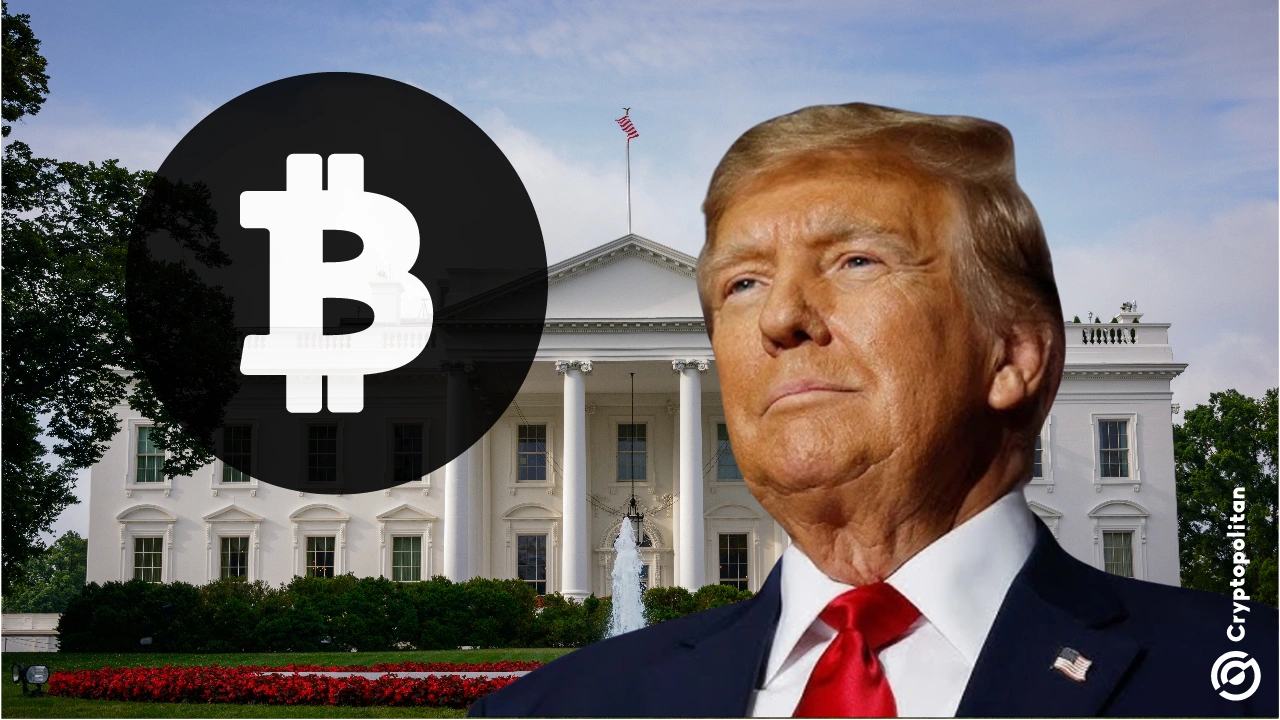
The Trump administration has officially confirmed that the Bitcoin (BTC) forfeited by the developers of Samourai Wallet has not been sold. This announcement comes amid conflicting reports regarding the status of 57.55 BTC linked to the project”s developers, Keonne Rodriguez and Will Lonergan Hill.
Patrick Witt, the Executive Director of the President”s Council of Advisors for Digital Assets, took to X (formerly Twitter) to clarify the situation. He stated that the Department of Justice (DOJ) has confirmed that the digital assets in question have remained unsold and will be retained in accordance with Executive Order 14233. This order, signed by President Trump in March 2025, stipulates that any “Government BTC” obtained through criminal or civil forfeiture must not be liquidated and should instead be stored in the Strategic Bitcoin Reserve (SBR).
Reports emerged earlier this month indicating that the U.S. Marshals Service (USMS) had sold approximately $6.3 million worth of Bitcoin, which was initially seized from the Samourai Wallet developers as part of their guilty plea. On November 3 of last year, on-chain data indicated a transfer of 57.55353033 BTC from a government-controlled address to a Coinbase Prime deposit address, which subsequently exhibited a zero balance. This led analysts to speculate that the assets had been sold, potentially breaching the aforementioned executive order.
In response to these concerns, Witt reaffirmed the position of the White House, stating, “We have received confirmation from the DOJ that the digital assets forfeited by Samourai Wallet have not been liquidated and will not be liquidated, per EO 14233. They will remain on the USG balance sheet as part of the SBR.”
Despite this clarification, tensions persist regarding the actions of the Southern District of New York (SDNY), particularly following a memo from Todd Blanche in May 2025. This memo advised the DOJ to pursue cases only where there is evidence of “knowing and willful” criminal intent by the developers. Nonetheless, the SDNY has continued to secure convictions related to the case, including that of Roman Storm, a co-founder of Tornado Cash, who was found guilty of operating an unlicensed money-transmitting business in August 2025.
The legal troubles surrounding Rodriguez and Hill culminated in a sentencing in November 2025, with Rodriguez receiving a five-year prison term and Hill a four-year sentence. In December of last year, President Trump expressed that he was “looking into” the possibility of a pardon for Rodriguez, indicating an ongoing interest in the case.
In related developments, the legislative landscape surrounding cryptocurrencies is also evolving. Tim Scott, the Chair of the Senate Banking Committee, recently postponed a significant hearing regarding the CLARITY Act after Coinbase CEO Brian Armstrong announced that he would withdraw support for the current draft. Armstrong”s concerns center around the bill”s potential to grant excessive regulatory authority to the Securities and Exchange Commission (SEC) over stablecoins and decentralized finance (DeFi) protocols. The absence of backing from Coinbase, the largest cryptocurrency exchange in the U.S., has raised doubts about the bipartisan consensus originally spearheaded by Senator Cynthia Lummis.
As discussions continue, the current draft of the CLARITY Act proposes to prohibit platforms like Coinbase from offering interest or rewards on stablecoins, a move seen as beneficial to traditional banking institutions that argue high stablecoin yields detract from their market. Failure to resolve these legislative matters could hinder progress before the upcoming 2026 election cycle, potentially stalling all legislative action in the cryptocurrency space.
For those keen on staying updated in the fast-paced world of cryptocurrency, subscribing to our newsletter will provide you with the latest insights and developments.