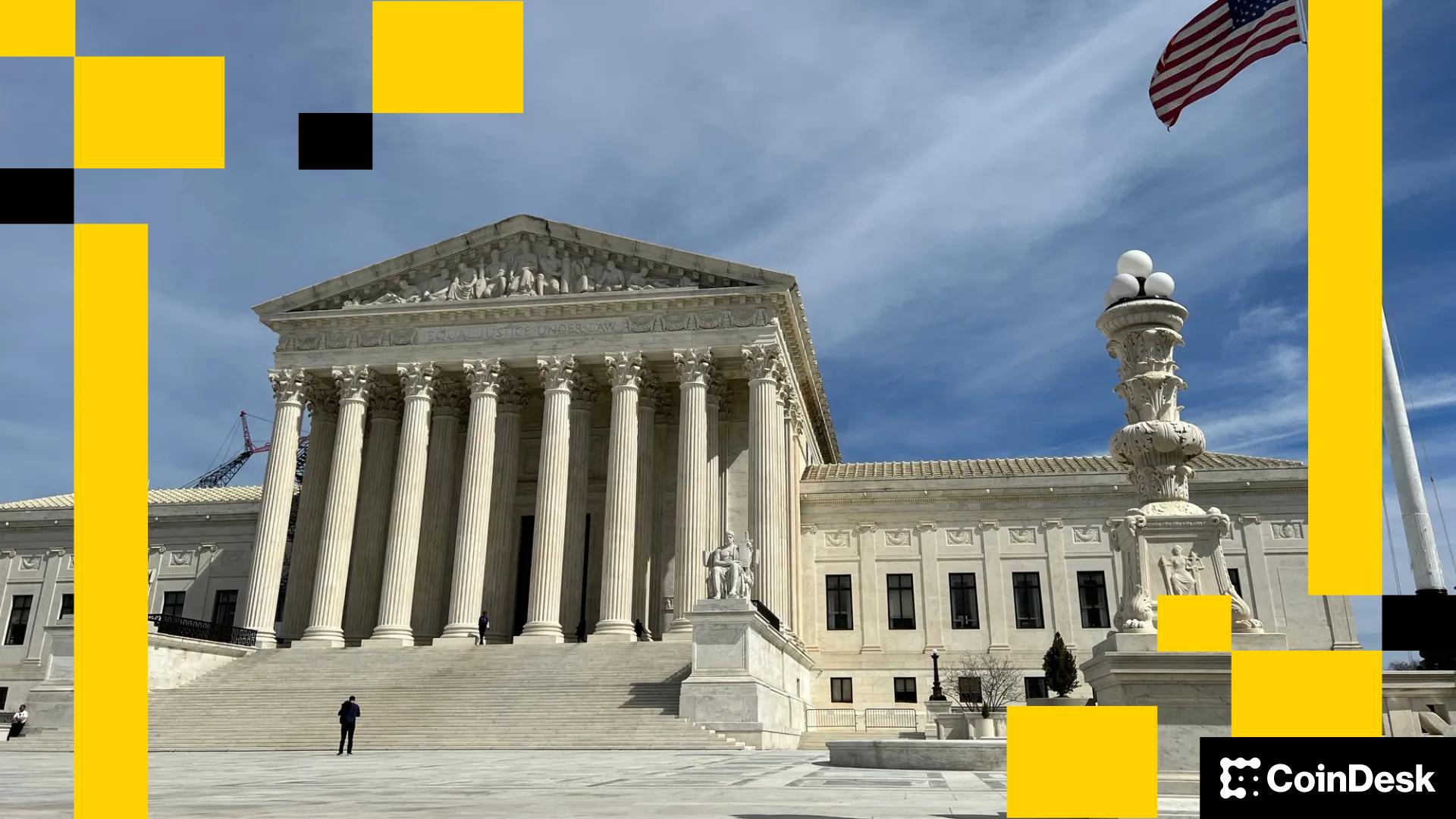
The recent ruling by the U.S. Supreme Court determined that former President Donald Trump lacked the authority to impose the tariffs he had enacted. While the market response has been measured, the implications for the cryptocurrency sector appear to be minimal at this point, largely due to the ongoing political dynamics that could shape future policies in Washington.
Trump”s previous aggressive approach to tariffs, executed under the International Emergency Economic Powers Act, has been effectively curtailed. However, he indicated during a press conference that he intends to explore alternative legal avenues to implement new tariffs, asserting that various methods remain at his disposal. He announced plans for a new 10% global tariff, stating, “Other alternatives will now be used to replace the ones that the court incorrectly rejected.”
This unfolding situation may divert attention from critical legislative efforts concerning the crypto industry, particularly the passage of the Digital Asset Market Clarity Act, which aims to establish a framework for the U.S. crypto market structure. The urgency of congressional business in the coming weeks may hinder progress on this front.
Republican Senator Bernie Moreno, a vocal supporter of Trump and an advocate for cryptocurrency, criticized the Supreme Court”s decision, stating that it hampers efforts to combat unfair trade practices that have adversely impacted American workers. In contrast, Democratic Senator Elizabeth Warren, celebrating the ruling, cautioned that the decision leaves consumers facing ongoing challenges from the tariffs already imposed.
According to reports from the Tax Foundation, households might have suffered an estimated financial blow from the tariffs, with impacts projected at $1,000 last year and $1,300 this year. Warren highlighted that while the court”s ruling is a step forward, it fails to provide a mechanism for consumers and small businesses to recover the costs incurred from the tariffs.
The Cato Institute has expressed hope for the possibility of refunds related to the customs duties collected. However, they noted that the process for obtaining these refunds could involve extensive litigation and paperwork, posing a significant challenge for smaller importers who lack the resources to navigate such complexities.
As the midterm elections approach, the fallout from the tariff dispute is likely to remain a focal point, potentially influencing the crypto sector”s future. If a market structure bill is not passed soon, the political landscape following the elections could dramatically alter the trajectory of regulatory efforts within the cryptocurrency space.
Ultimately, while the Supreme Court”s ruling is a significant development, its immediate effect on the crypto industry may be limited. However, the evolving political climate and legislative actions could create substantial implications for the sector in the near future.