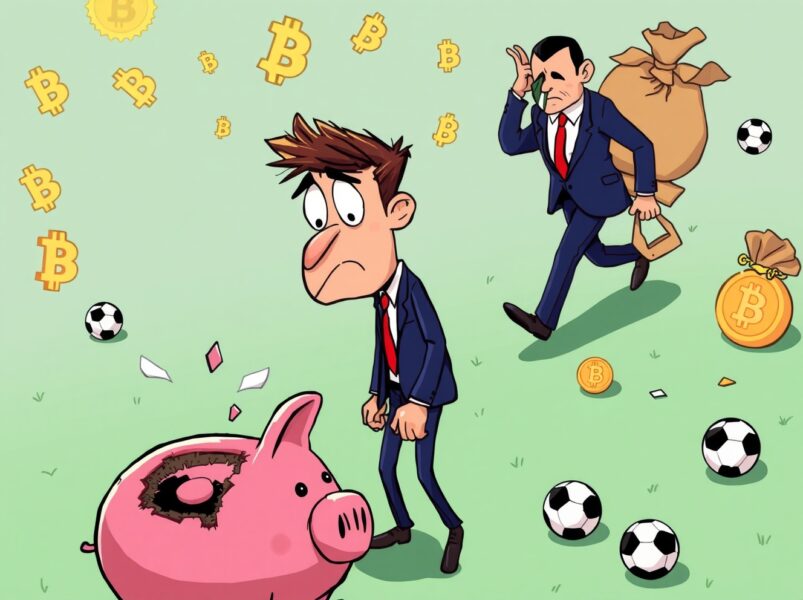
In a significant legal development, a South Korean cryptocurrency CEO has been sentenced to a lengthy seven years in prison for orchestrating a large-scale fraud scheme involving non-fungible tokens (NFTs). This case, which resulted in the loss of approximately $2.2 million, serves as a critical reminder to investors about the potential risks associated with digital asset markets and the increasing regulatory scrutiny facing cryptocurrency operations globally.
The fraudulent scheme deceived around 30 investors, who were lured by false promises regarding the listing of the project”s token on a prominent South Korean exchange. This manipulation created an illusion of demand and misled investors about the project”s authenticity and its prospective value. The operation also took advantage of celebrity endorsement, utilizing a former national soccer player to enhance the project”s credibility, making it a particularly effective deception.
Authorities in South Korea have ramped up their vigilance concerning cryptocurrency-related fraud, especially following a series of high-profile scandals in recent years. This case highlighted several warning signs that investors must be aware of, including:
- Unverified claims regarding exchange listings that could not be substantiated through official channels.
- Excessive celebrity endorsements that did not align with the project”s actual development.
- Pressure tactics aimed at encouraging quick investments through limited-time offers.
- Ambiguous technical documentation and overly optimistic return projections.
The seven-year sentence imposed on the CEO underscores South Korea”s stringent stance against NFT fraud and financial misconduct within the cryptocurrency sector. This ruling sends a powerful message to potential offenders about the severe consequences of exploiting investor trust in the rapidly changing landscape of digital assets.
For NFT investors, this case serves as a valuable lesson. It emphasizes the necessity of conducting thorough due diligence, particularly regarding celebrity endorsements, and verifying exchange listing claims directly with the exchanges involved. Additionally, it highlights the ongoing evolution of regulatory frameworks, which are increasingly aimed at providing greater protection for investors in the cryptocurrency space.
Understanding the differences in regulatory approaches across jurisdictions is crucial for investors. South Korea is known for its strict regulations, which include real-name trading systems and comprehensive reporting requirements. However, regulations vary significantly from one country to another, presenting both challenges and opportunities for global investors.
To safeguard against similar NFT scams, investors should adopt a cautious approach, which includes:
- Independently verifying all claims rather than depending solely on promotional materials.
- Researching the credentials and track record of the project team.
- Understanding the technology that underpins any NFT project prior to investment.
- Ensuring compliance with regulations in the project”s jurisdiction.
- Diversifying investments to mitigate risks associated with any single project.
This landmark case marks a pivotal moment in how authorities worldwide respond to cryptocurrency-related crimes. As digital assets gain wider acceptance, regulatory frameworks and enforcement mechanisms are rapidly evolving to protect investors while encouraging innovation.
In conclusion, the seven-year prison sentence for the cryptocurrency CEO represents a significant step toward greater accountability in the digital asset markets. It illustrates that authorities are enhancing their capabilities and legal frameworks to effectively prosecute sophisticated NFT fraud schemes. For ethical entrepreneurs and legitimate projects, this development signals progress toward a more trustworthy ecosystem. For investors, it reassures them that regulatory protections are strengthening, even as market opportunities expand.
Frequently Asked Questions
What was the primary method used in this NFT fraud scheme?
The CEO misrepresented the project”s token listing on a major South Korean exchange while using a former national soccer player for promotion, misleading investors about the project”s legitimacy.
How much money was involved in this fraud case?
The scheme defrauded approximately 30 investors out of over 3 billion won, which is around $2.2 million USD.
What was the sentence given to the crypto CEO?
The executive received a seven-year prison sentence, reflecting South Korea”s stringent approach to cryptocurrency-related financial crimes.
Why is this case significant for the broader cryptocurrency industry?
This case illustrates that authorities are developing effective strategies to prosecute complex digital asset fraud and serves as a deterrent to potential offenders globally.
What should investors be aware of to avoid similar NFT scams?
Investors should verify exchange listing claims with the exchanges directly, conduct comprehensive background checks on project teams, understand the underlying technology, ensure regulatory compliance, and maintain a healthy skepticism regarding celebrity endorsements.
How do South Korean regulations differ from those in other countries?
South Korea has enacted strict regulations, including real-name trading systems and rigorous enforcement against cryptocurrency misconduct, setting it apart from regulatory approaches in other nations.