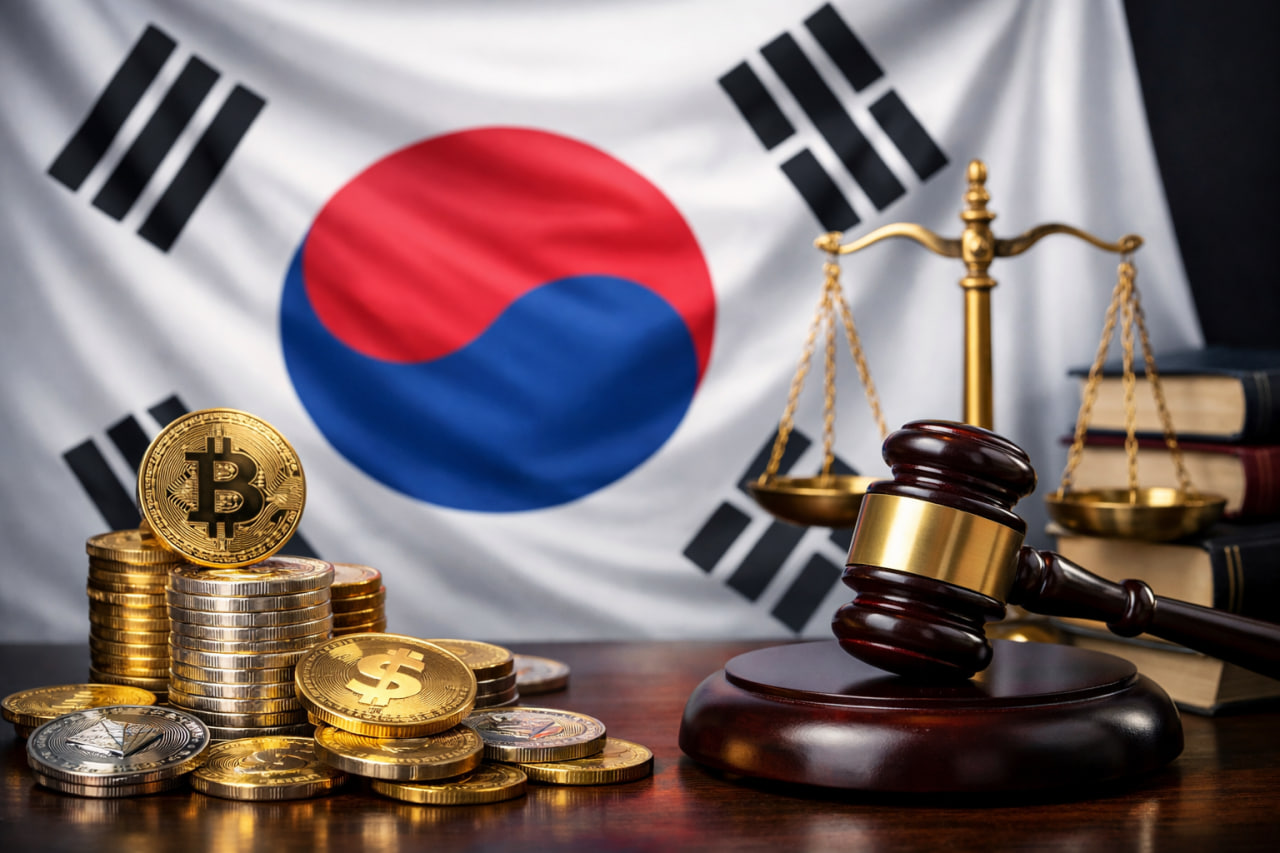
Korean lawmakers are making significant strides toward establishing a cohesive regulatory framework for cryptocurrencies and stablecoins with the introduction of the Digital Asset Framework Act. This development aims to bring clarity and accountability to the rapidly evolving digital asset landscape within South Korea.
The Democratic Party has reportedly finalized the legislation”s title and is preparing to submit the bill before the upcoming Lunar New Year. This initiative represents a move towards a more unified regulatory approach, addressing the fragmented discussions and partial regulations that have characterized the market to date.
One of the primary components of the proposed legislation is a minimum capital requirement for stablecoin issuers, which is set at 5 billion won. This threshold aligns with existing regulations for electronic money providers under the Electronic Financial Transactions Act. Lawmakers emphasize that stablecoins are increasingly seen as digital cash or payment instruments, rather than traditional cryptocurrencies.
However, some aspects of the Digital Asset Framework Act remain under discussion, particularly the extent of authority to be granted to the Bank of Korea and limitations that may be placed on ownership stakes held by significant shareholders in stablecoin issuers. These decisions will be finalized as the Democratic Party”s policy committee continues its internal deliberations.
This regulatory push is timely, coinciding with a global trend towards clearer frameworks for cryptocurrency regulation. As stablecoins gain traction for their utility in payments and trading, governments worldwide are transitioning from temporary guidelines to more comprehensive legal structures. In the U.S., for instance, the introduction of the GENIUS Act has established federal rules for stablecoins, mandating 1:1 reserve backing and federal supervision.
With the finalization of the Digital Asset Framework Act”s core provisions, South Korea is closer than ever to implementing clear and enforceable regulations in the cryptocurrency space. This initiative aims to mitigate regulatory uncertainty and facilitate the growth of stablecoins and digital assets in the global financial ecosystem.
As adoption of digital currencies continues to rise, South Korea”s proactive stance suggests a commitment to ensuring that its regulatory environment evolves in step with technological advancements and market demands.
The information provided in this article is for educational purposes only and does not constitute financial, investment, or trading advice. Always conduct your own research and consult with a licensed financial advisor before making any investment decisions.