In a significant development for the cryptocurrency landscape, Bitcoin has surpassed the $94,000 mark, indicating a notable recovery in the crypto markets. This surge in price comes after a challenging period characterized by heavy sell-offs and is anticipated to gather momentum, provided that trading volumes increase and more dynamic movements in altcoins are observed.
On January 6th, senators from both major political parties are set to convene to discuss the proposed legislation known as the CLARITY Act. This act aims to establish a clearer regulatory framework for the cryptocurrency sector, which has been a topic of much debate and scrutiny in recent years.
Last year, the GENIUS legislation was enacted, which fostered major financial institutions” movements toward engaging with the stablecoin sector. The upcoming CLARITY Act is designed to similarly empower these institutions, enabling them to provide cryptocurrency services to their clients. The driving force behind this legislation is the potential for financial institutions to generate profits by offering legitimate services in the cryptocurrency arena.
Despite the presence of existing crypto service providers, the urgency for the CLARITY Act”s implementation is evident. Major banks are eager to enter the cryptocurrency market, primarily motivated by financial incentives. If the act is enacted swiftly, it is anticipated to enhance liquidity in the cryptocurrency markets, thereby contributing to further price increases.
Once the Senate approves the CLARITY Act, the legislation will move to the House of Representatives, where various versions of the bill will be reconciled over an extended period, leading to a final vote. This entire process is expected to culminate by August. For the Democratic Party, the urgency to avoid a negative perception regarding cryptocurrency could be pivotal in the midterm elections, as they seek to win the support of millions of American crypto investors.
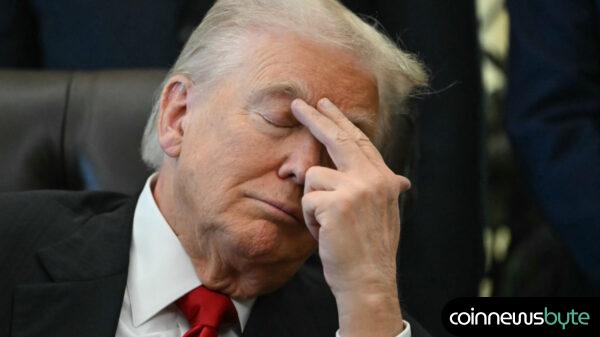
Should the Democrats act without delay and the Republicans respond promptly, it is conceivable that the regulatory clarity law could receive presidential approval from Trump as early as 2026. With the midterm elections on the horizon, Trump is focusing on economic issues such as inflation and interest rates, while emphasizing the necessity for his party to finalize cryptocurrency laws. Notably, Trump”s family has deep ties within the cryptocurrency sector, a factor that may create tension among Democratic lawmakers.
This legislative movement could mark a turning point in how cryptocurrencies are regulated in the United States, potentially reshaping the landscape for both traditional financial institutions and crypto investors alike.