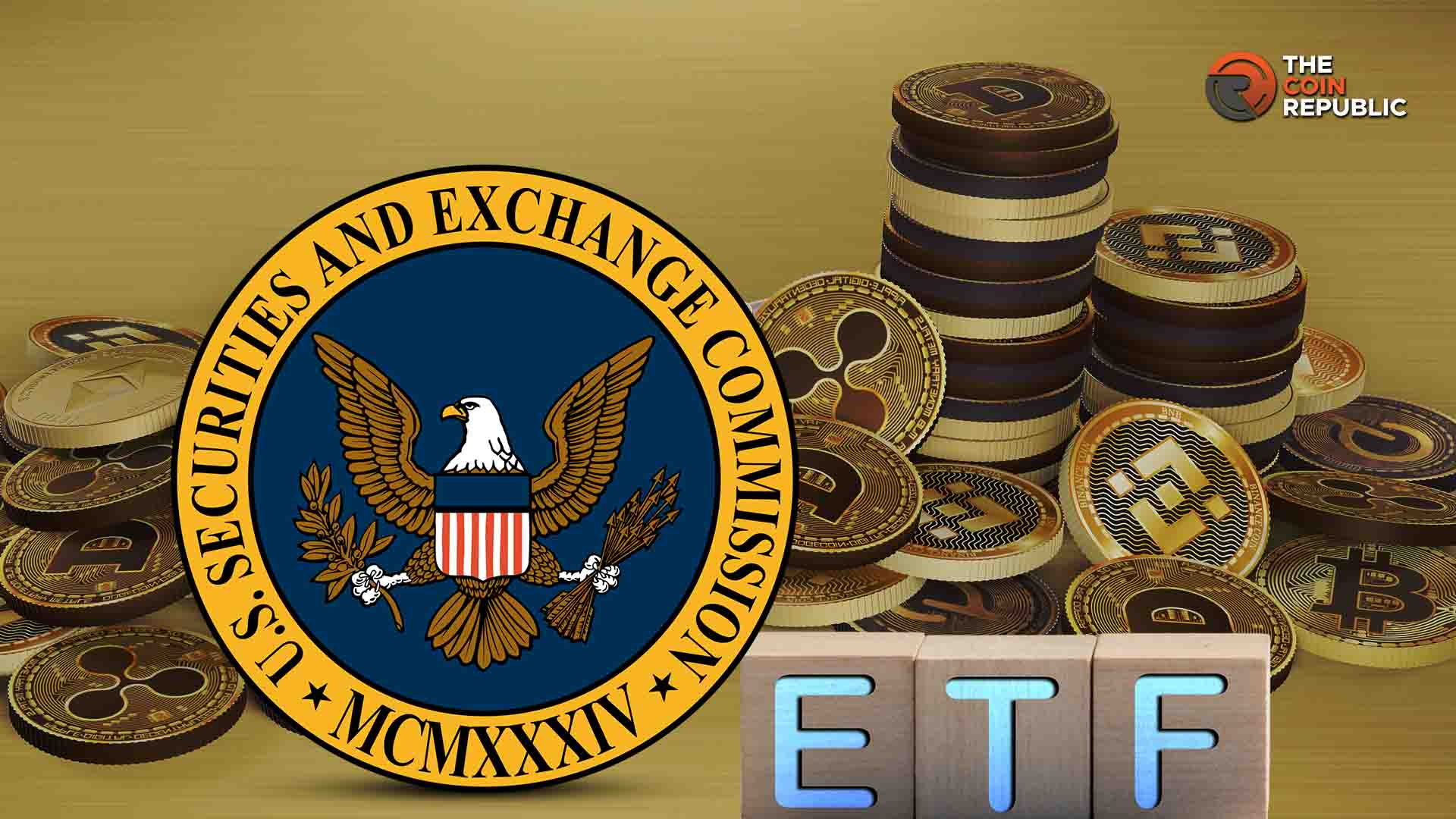
The landscape of cryptocurrency regulation is set to shift as the SEC prepares to unveil an innovation exemption framework for crypto companies, expected to be implemented by January 2026. This announcement, made by SEC Chair Paul Atkins during a CNBC interview on December 2, aims to provide conditional relief from certain securities regulations, enabling crypto and tokenization projects to explore new business models under regulatory supervision.
Atkins emphasized the urgency of this initiative, stating that the SEC is working diligently to finalize the framework within a month, despite challenges posed by the ongoing government shutdown. He asserted that the agency possesses the necessary authority to move forward, framing the exemption as a necessary step for the United States to embrace a sector it has previously approached with caution.
The innovation exemption will allow companies to test their business models without requiring full broker-dealer or exchange registration from the outset. This aligns with Atkins” vision articulated in his July speech, which highlighted the importance of allowing firms to innovate while ensuring investor protections are maintained. This regulatory approach is intended to facilitate a quicker market entry for projects that may not conform to existing regulations while still adhering to investor safeguards.
According to analysis from Sidley, the exemption is part of a broader regulatory framework that includes token taxonomy and Regulation Crypto. The newly proposed regulation will enable firms to report their progress to the SEC periodically, rather than being burdened by immediate compliance with all regulatory requirements.
The exemption specifically targets various digital asset businesses, including those looking to launch token offerings, decentralized finance (DeFi) services, and tokenized securities. This is particularly significant given the substantial growth witnessed in the tokenized asset market, which has reached $18.4 billion, with tokenized US Treasuries accounting for $9.2 billion of that figure.
This regulatory framework is intended to function as a supervised sandbox for companies, allowing them to operate under certain conditions while providing the SEC with vital data and oversight. However, the World Federation of Exchanges has raised concerns that broad exemptions could undermine investor protections, advocating for carefully tailored regulations that include limits on transactions and investor exposure.
The innovation exemption represents a marked departure from the previous enforcement-heavy approach of the SEC under former Chair Gary Gensler. Proponents believe that this framework will break a longstanding regulatory deadlock, providing a clear pathway for projects to operate under defined terms. Critics, however, warn that it may create an uneven playing field where new entrants might evade the rules that established market players have followed for years.
As the SEC moves closer to implementing this innovation exemption by January 2026, the $18.4 billion tokenized asset market is poised for greater regulatory clarity, potentially reshaping the future of cryptocurrency in the United States.