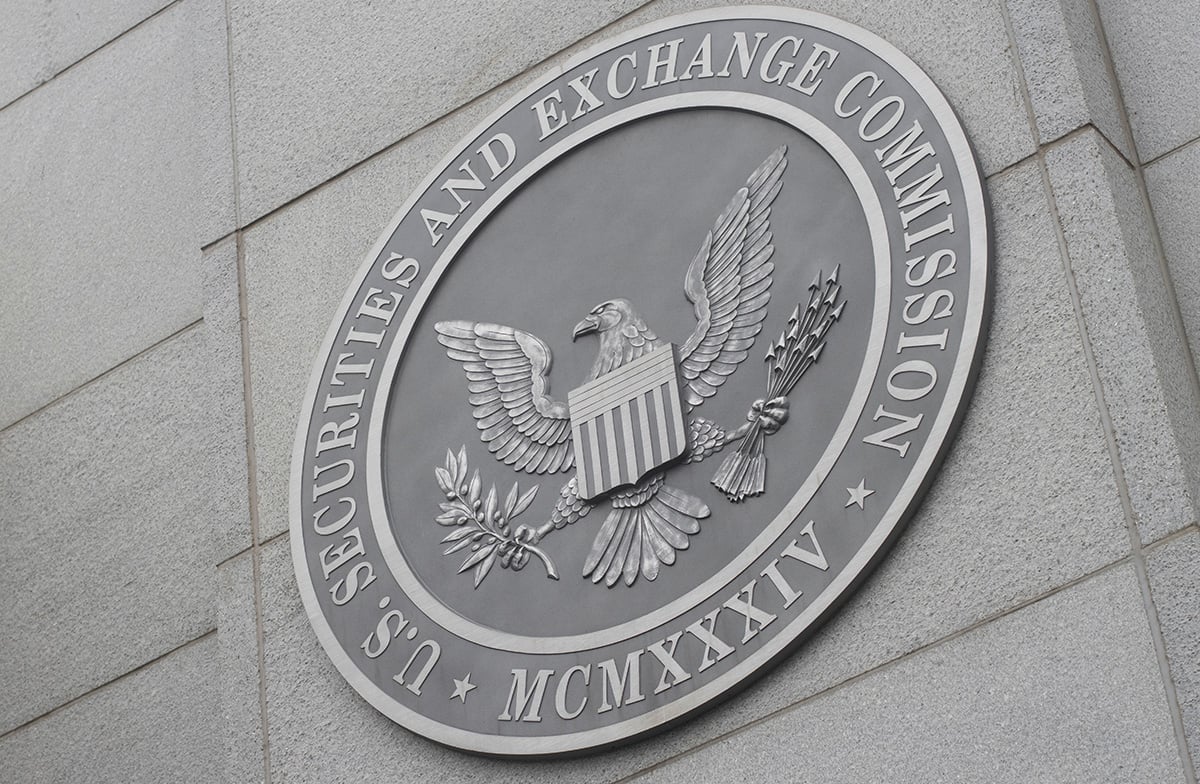
The U.S. Securities and Exchange Commission (SEC) convened its sixth crypto task force meeting on Monday, focusing on the critical issues of financial privacy and surveillance in the burgeoning cryptocurrency landscape. This roundtable brought together key figures, including SEC Chair Paul Atkins and Commissioners Hester Peirce and Mark Uyeda, to explore how regulatory frameworks might adapt to the evolving dynamics of blockchain-based finance.
During the discussions, Atkins expressed concerns that cryptocurrency could facilitate extensive monitoring of financial transactions. He emphasized that the design of regulations will significantly impact the degree of surveillance possible within this space. “If the instinct is to treat every wallet like a broker, the system could become a financial panopticon,” he stated, highlighting the potential for overreach in regulatory practices.
Commissioner Hester Peirce remarked that the rise of cryptocurrencies is prompting a much-needed reassessment of existing privacy regulations. She pointed out that traditional surveillance methods in finance require reevaluation, as the current practices do not adequately address the unique characteristics of crypto transactions. “Our national degradation of financial privacy is overdue for a change,” Peirce asserted. She noted that the transparency inherent in public blockchains poses both challenges and opportunities for user privacy, creating a demand for advanced privacy-protecting technologies.
Industry representatives from organizations such as the Blockchain Association and the Crypto Council for Innovation participated actively in the roundtable, sharing insights on privacy-centric solutions. Their discussions underscored the importance of balancing regulatory oversight with the need to protect user data from unnecessary exposure. Many advocates voiced concerns that excessive surveillance could deter legitimate cryptocurrency use, making privacy a central theme in regulatory discussions.
The ongoing debate about financial privacy occurs in the context of broader legislative efforts regarding digital asset regulations. With the year rapidly coming to a close, U.S. lawmakers are working on market structure legislation, including the recently passed CLARITY Act. While the House has moved forward with this initiative, the Senate continues negotiations without a set schedule for markup, leaving the future of crypto regulations uncertain.
Peirce has previously referenced constitutional protections in relation to financial privacy, emphasizing that privacy should be a standard expectation. “Government should resist the temptation to force intermediation,” she added, calling for caution in expanding surveillance through regulatory measures. As discussions evolve, the crypto community will be watching closely to see how these regulatory decisions shape the future of financial privacy in the digital age.