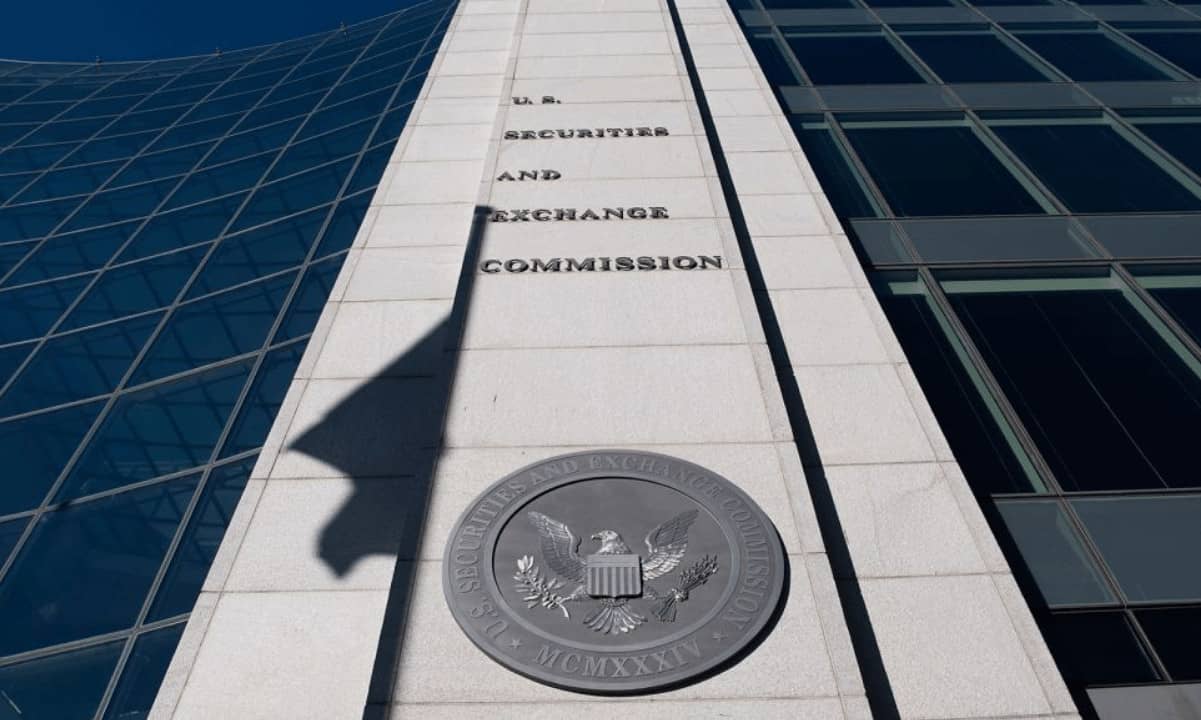
The US Securities and Exchange Commission (SEC) has initiated legal action against three companies claiming to operate cryptocurrency trading platforms, along with four self-styled investment clubs, accusing them of orchestrating a fraudulent scheme that swindled retail investors out of $14 million. The entities involved include Morocoin Tech Corp, Berge Blockchain Technology Co. Ltd., and Cirkor Inc, as well as AI Wealth Inc, Lane Wealth Inc, AI Investment Education Foundation Ltd., and Zenith Asset Tech Foundation.
According to the SEC, this fraudulent operation persisted from January 2024 to January 2025, employing familiar tactics prevalent in many recent online investment scams. Initially, the defendants attracted potential victims through advertisements on popular social media platforms, promising effortless profits backed by sophisticated, AI-generated investment advice.
Once users expressed interest, they were invited to join exclusive WhatsApp group chats where the scammers impersonated financial experts, gradually gaining the victims” trust by sharing purportedly successful AI-driven trading strategies. After convincing investors, they were encouraged to open accounts and deposit funds on fake trading platforms managed by the aforementioned companies. These platforms falsely asserted that they were licensed and regulated, a claim the SEC has labeled as entirely false.
Further exacerbating the situation, the investment clubs promoted fictitious “Security Token Offerings,” which they falsely linked to real businesses. In truth, no such companies or offerings existed, and the platforms were never engaged in any legitimate trading activities. When investors tried to withdraw their funds, the scammers allegedly demanded additional upfront fees, a common ploy to extract more money from victims.
The SEC”s complaint indicates that all funds from investors were misappropriated, funneled through a complex web of bank accounts and cryptocurrency wallets to obscure their origins. Laura D”Allaird, head of the SEC”s Cyber and Emerging Technologies Unit, remarked on the alarming rise of AI-powered fraud, noting that scammers are increasingly utilizing advanced technologies to create convincing false narratives.
In addition to fraudulent investment advice, the use of AI deepfakes has surged, with criminals employing this technology to generate realistic videos of well-known personalities, such as Elon Musk, endorsing fake investment schemes. Moreover, these fraudsters are leveraging AI to bypass Know Your Customer (KYC) protocols, forge customer support interactions, and replicate platform interfaces to appear credible. In some instances, they have even misused virtual meeting tools like Zoom to distribute malware through deceptive invitations.