






































In a recent interview, U.S. Securities and Exchange Commission (SEC) Chair Paul Atkins addressed the uncertainty surrounding the potential seizure of Bitcoin holdings allegedly connected to Venezuela. This ambiguous situation arises as the U.S. government aims to enhance regulatory clarity within digital asset markets.
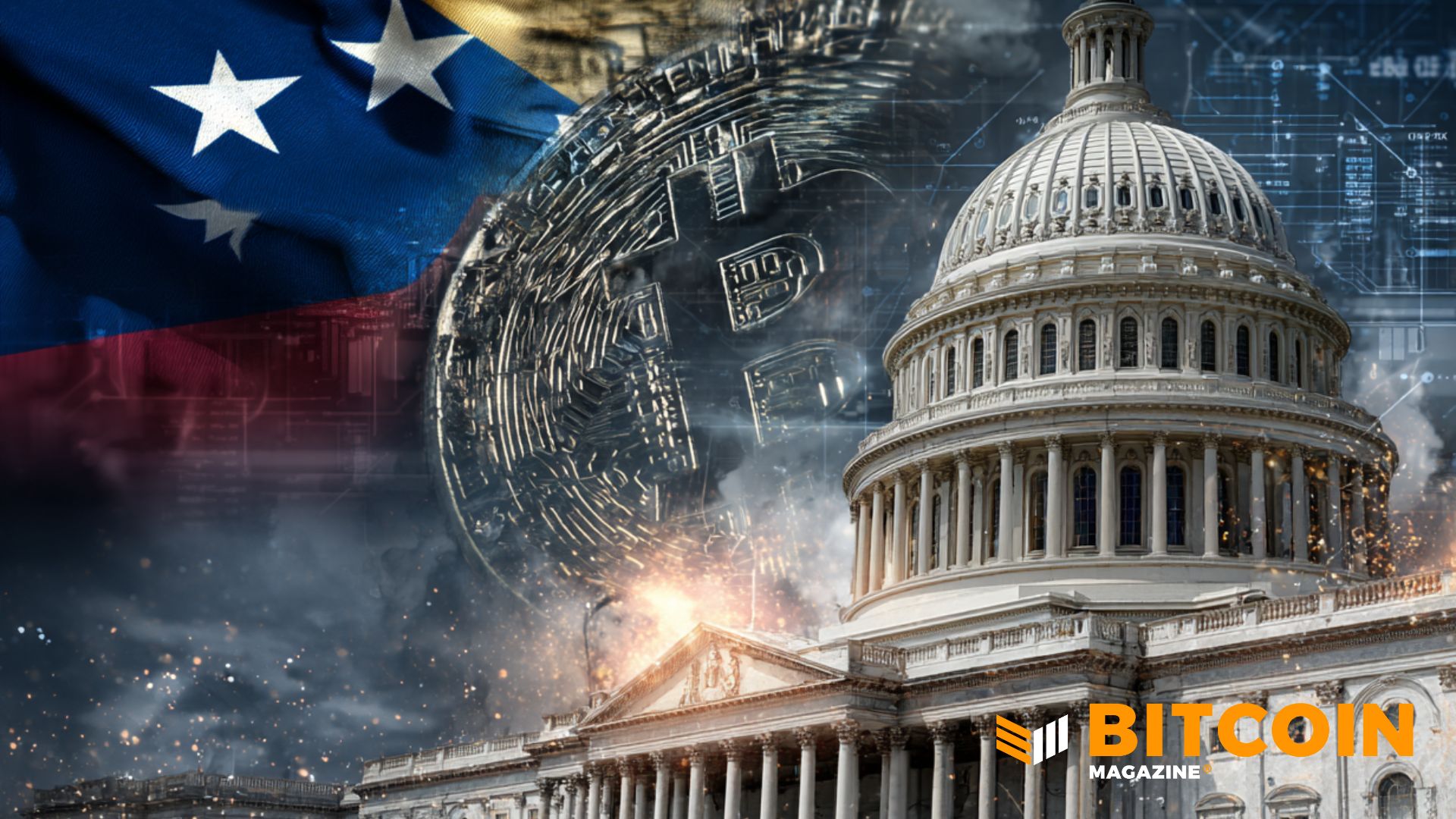
Atkins, speaking to Fox Business, remarked that the decision regarding the rumored Venezuelan Bitcoin stash—estimated to be approximately 600,000 BTC, valued between $56 billion and $67 billion—remains “still to be seen.” He clarified that this issue falls under the jurisdiction of other government sectors, stating, “I leave that to others to deal with. That”s not my focus.” His comments highlight that the SEC does not currently prioritize asset confiscation.
The speculation regarding a significant “shadow reserve” of Bitcoin purportedly amassed by the Venezuelan government has circulated within both crypto and intelligence communities. This reserve is believed to have been generated through various transactions, including gold sales and oil trades settled in stablecoins, dating back to 2018. If confirmed and placed under U.S. jurisdiction, such a reserve would rank among the largest Bitcoin holdings globally.
However, independent blockchain analysts have pointed out the lack of verifiable on-chain evidence linking the wallets holding such quantities directly to the Venezuelan government. In fact, the publicly traceable addresses associated with state entities reflect only a minuscule portion of the rumored reserves.
Legislative Efforts for Regulatory Clarity
Shifting gears, Atkins emphasized the importance of ongoing legislative initiatives aimed at establishing a clearer regulatory framework for digital assets. He noted that this week marks a significant moment as the Senate is set to review a bipartisan bill intended to clarify oversight responsibilities between the SEC and the Commodity Futures Trading Commission (CFTC).
This bill, which boasts support from both major political parties, represents a crucial step in positioning the U.S. as a leader in the digital asset space. Atkins also referenced the Genius Act, passed late last year, as a foundational statute recognizing cryptocurrency under U.S. law, which he believes has contributed to enhancing regulatory clarity regarding stablecoin frameworks.
Expressing optimism, Atkins stated that clearer regulations would foster much-needed certainty in the markets, thereby bolstering investor confidence. He mentioned ongoing collaboration with the new CFTC chairman and reiterated the SEC”s commitment to enforcing regulations once they are enacted. Although ethical considerations surrounding public officials and crypto business interests remain subjects of Congressional scrutiny, Atkins emphasized that the immediate focus is on establishing a regulatory regime that minimizes market ambiguity.