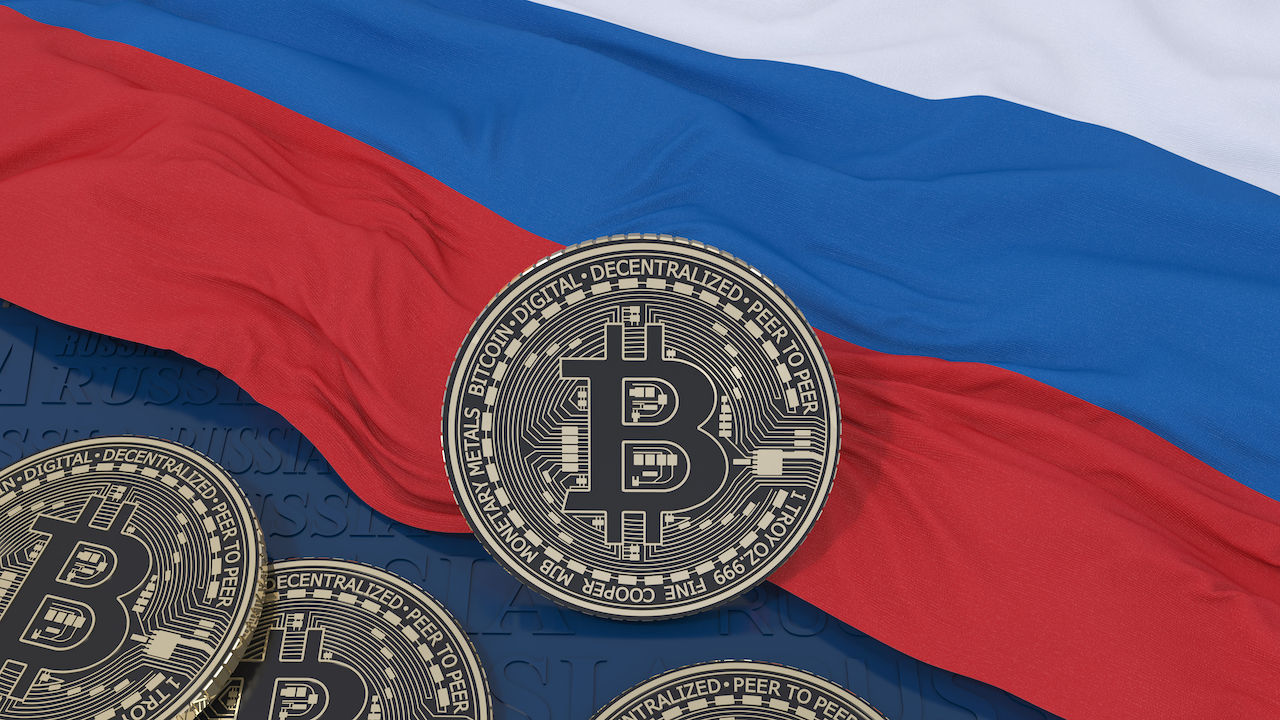
Russia is set to launch a comprehensive regulatory framework for cryptocurrencies by the year 2027, enabling retail investors to legally acquire digital assets under strict guidelines. This initiative will allow both institutional and individual investors to engage in the local cryptocurrency market through platforms that comply with regulations.
The proposed framework will only permit a limited selection of highly liquid cryptocurrencies, notably Bitcoin and potentially Ethereum, for unqualified retail investors. Following extensive discussions between the finance ministry and the central bank regarding the management of digital assets, officials expect to finalize the regulations by July 2027.
To mitigate the risk of significant financial losses, retail investors will encounter an annual purchase limit of approximately 300,000 rubles, equating to around $4,000. Additionally, prospective traders must pass a qualification test to demonstrate their understanding of basic risks and product characteristics. Conversely, qualified or professional investors will have access to a broader array of tokens without stringent annual caps, provided they complete risk-awareness evaluations.
The regulations will maintain a ban on privacy-oriented cryptocurrencies such as Monero and Zcash, reflecting the concerns of regulators regarding anonymity and potential illicit activities.
All cryptocurrency transactions will be required to go through authorized brokers, trustees, and exchanges that adhere to Russian financial regulations. Unregistered platforms could face penalties similar to those for illicit banking operations, discouraging traders from utilizing unregulated peer-to-peer marketplaces. In conjunction with closely monitoring domestic platforms, the central bank aims to establish a whitelist of acceptable cryptocurrencies for retail trading.
Furthermore, the new rules will mandate that residents engaging with foreign exchanges report their activities to tax authorities, enhancing oversight and promoting transparency in financial movements. This regulatory shift comes as a response to international sanctions and increasing domestic cryptocurrency usage, with officials seeking to direct existing activities into regulated pathways while safeguarding households from the inherent volatility of digital assets.