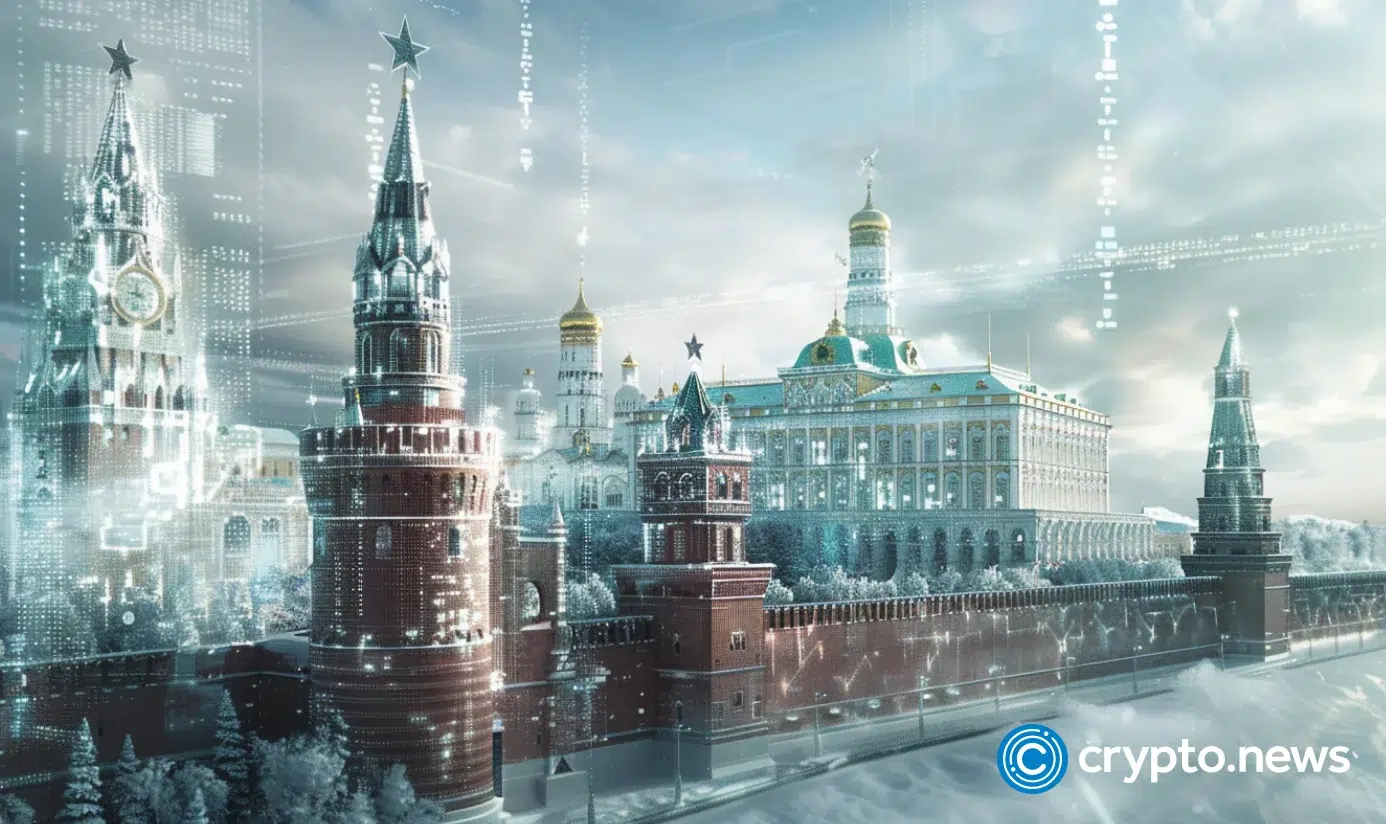
Russia”s central bank is taking decisive action to combat the growing issue of fraud in the cryptocurrency sector by proposing new penalties for operations conducted outside its regulatory framework. This initiative was announced by Central Bank of Russia Governor Elvira Nabiullina during a recent financial cybersecurity forum.
Nabiullina emphasized that the rise in fraud cases linked to unregulated cryptocurrency transactions necessitates a formal regulatory approach. “Fraudsters are taking advantage of the gray market,” she stated, highlighting the urgent need for oversight and accountability in the crypto space.
In recent months, over 1,800 Russians have sought assistance from law enforcement due to freezing of their bank accounts connected to suspicious cryptocurrency inflows. Many individuals have been added to a state database for dubious transactions, leading to significant banking restrictions for those involved in crypto sales.
During the same conference in Yekaterinburg, Andrey Kostin, CEO of VTB Bank, underscored the demand for the legalization of cryptocurrency transactions, particularly for payment purposes. He noted that numerous clients, including major exporters, are increasingly requesting options to make payments using cryptocurrencies.
VTB, which is the second-largest bank in Russia and majority state-owned, has plans to initiate cryptocurrency trading through brokerage accounts once appropriate regulations are put in place. This shift towards cryptocurrency is largely driven by the need for alternative international settlement methods.
In October, the Ministry of Finance and the Central Bank reached an agreement to legalize cryptocurrency payments in foreign trade, which would allow Russian companies to bypass financial restrictions imposed by Western nations amid ongoing geopolitical tensions.
Moscow authorities aim to replace the current experimental legal framework with comprehensive legislation governing cryptocurrency activities, including investment and trading. The proposed framework would categorize cryptocurrencies and stablecoins as “monetary assets.”
Parliamentary Financial Markets Committee Chairman Anatoly Aksakov has called for prompt regulation of the crypto market, citing significant financial losses attributed to the unregulated sector. Reports suggest that Russian authorities plan to finalize this legislation by summer.
Additionally, industry analysts warn that once domestic regulations are established, Russian regulators may restrict access to foreign cryptocurrency exchanges such as Bybit and OKX. Nikita Zuborev, a senior analyst at a crypto exchange aggregator, anticipates that such restrictions could be implemented after the licensing of domestic cryptocurrency service providers, which may occur by the end of the year.