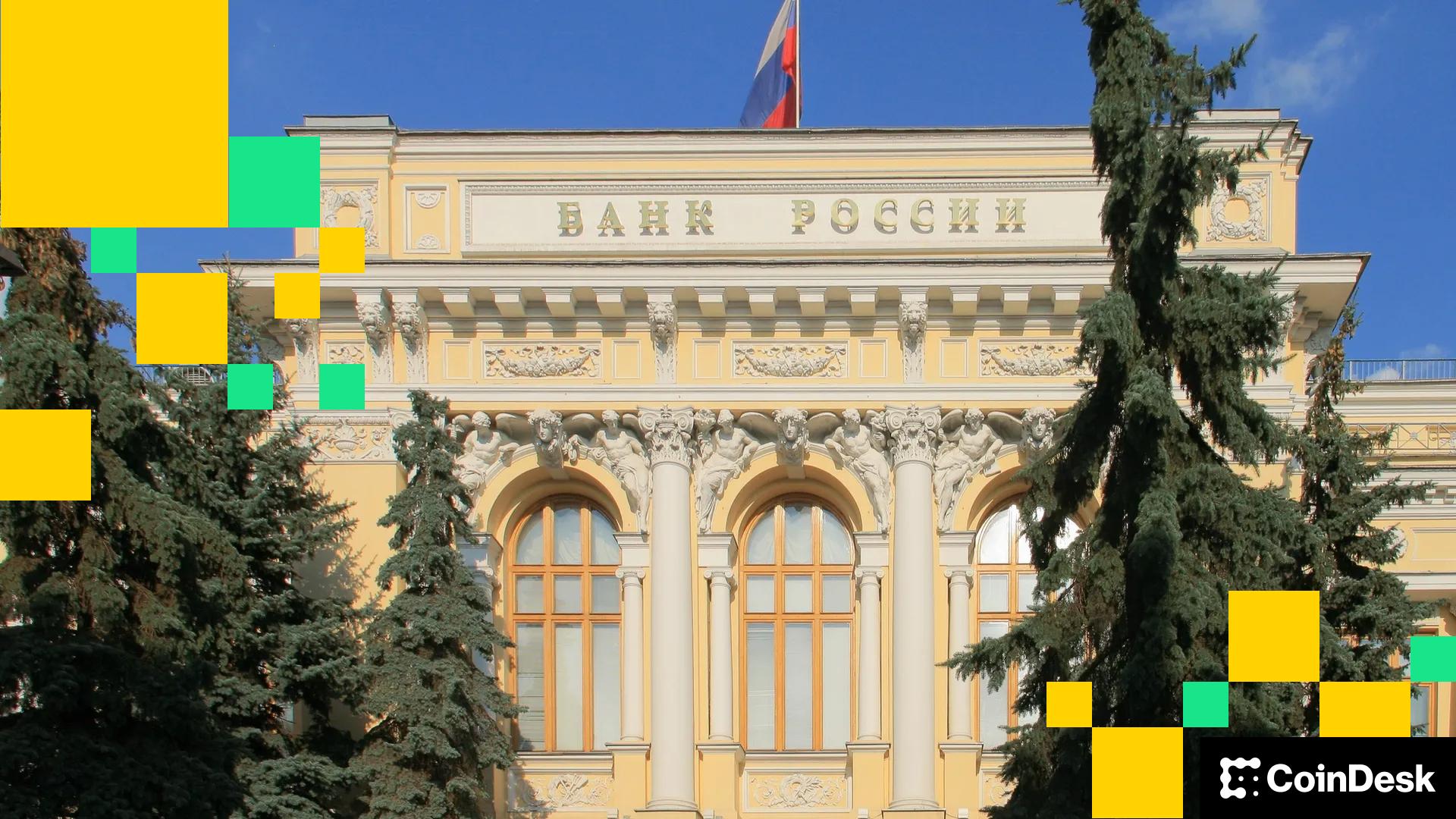
In a significant move towards cryptocurrency acceptance, Russia”s central bank has unveiled a framework aimed at legalizing and regulating cryptocurrency trading for both individual investors and institutions. This proposal, set for implementation in 2026, marks a continuation of the country”s evolving stance on digital assets.
The central bank has emphasized the inherent risks associated with investing in cryptocurrencies, cautioning that they are “not issued or guaranteed by any jurisdiction” and are subject to high volatility and sanctions risks. Investors are advised to recognize that they bear the risk of losing their funds when engaging with these assets.
Under the proposed regulations, digital currencies and stablecoins will be classified as monetary assets that can be bought and sold, although they will not be permitted for domestic payments. This initiative follows a period of increased recognition of cryptocurrency use in Russia, with officials acknowledging its prevalence and the potential for bank involvement in the market.
As part of this framework, ordinary Russian citizens will gain access to cryptocurrency trading through regulated platforms. Nonqualified investors will be allowed to invest up to 300,000 rubles (approximately $3,300) each year through intermediaries, contingent upon passing a risk-awareness assessment. Conversely, qualified investors could trade without volume limits but would also need to demonstrate a certain level of knowledge regarding investments.
Provisions within the proposal also stipulate that privacy-focused cryptocurrencies, which obscure transaction data, will remain prohibited. Additionally, the framework will legally recognize services provided by existing Russian financial firms, such as exchanges and asset managers, provided they operate with current licenses.
Another notable aspect of the proposal is the allowance for Russian residents to purchase cryptocurrencies abroad using foreign accounts. These holdings can then be transferred to licensed domestic platforms, subject to mandatory tax reporting requirements—marking a shift from the Bank of Russia”s prior stance against such activities.
The new regulations are expected to facilitate the broader utilization of Russian-issued digital financial assets (DFAs), potentially opening avenues for foreign investors as well. This marks an important transition for Russia”s financial landscape as it seeks to integrate cryptocurrencies within a regulated environment.