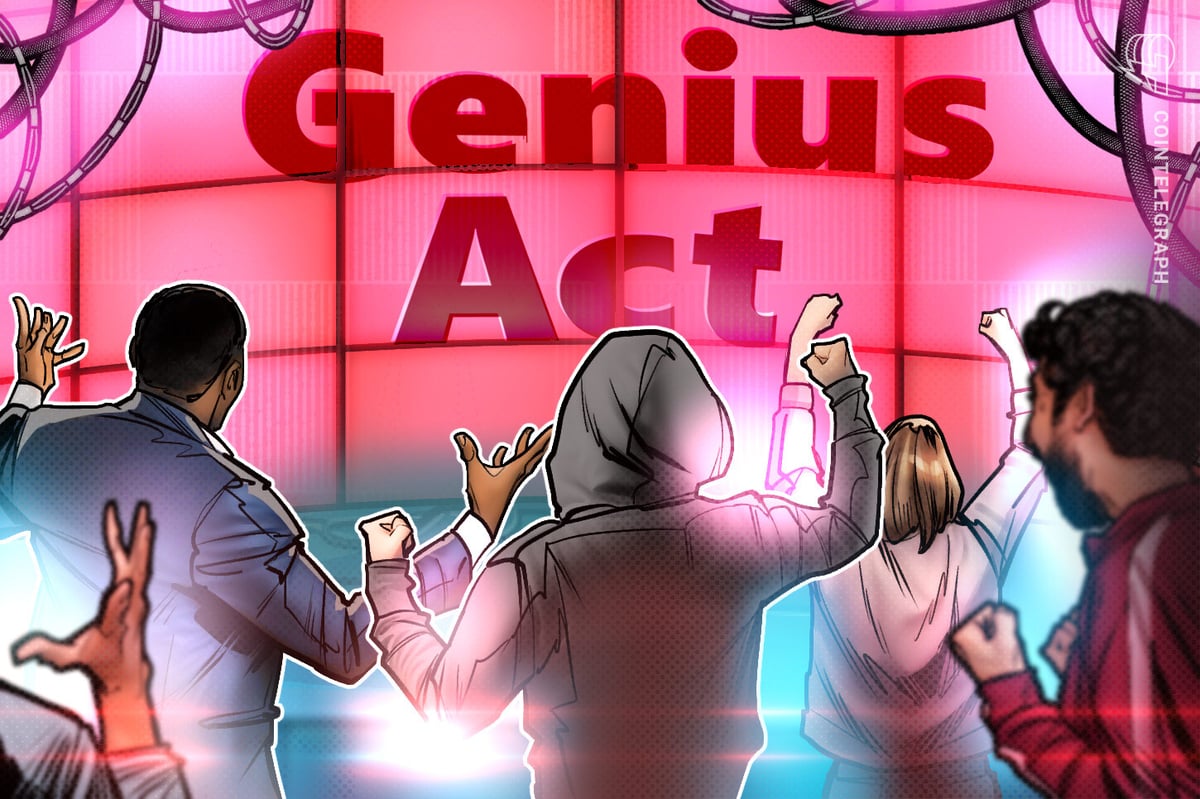
Proposed modifications to the GENIUS Act aimed at regulating stablecoins have led to significant backlash from cryptocurrency executives and industry organizations. Concerns have emerged that these changes could threaten competition within the market and diminish the global standing of the US dollar.
The Blockchain Association expressed its discontent, labeling a recent request from community bankers to prohibit stablecoin issuers from providing yield to tokenholders through third parties as a desperate attempt by traditional banks to stifle competition. This move comes in the wake of a carefully negotiated bipartisan agreement in Congress.
Under the current provisions of the GENIUS Act, stablecoin issuers are barred from offering interest or yield. However, many major crypto exchanges continue to provide rewards to their stablecoin holders. Community banks argue that closing the perceived loophole is essential to safeguarding their lending capabilities.
The Blockchain Association countered this narrative, asserting that there is no substantial evidence indicating that the rise of stablecoins threatens traditional financial institutions. They noted that while traditional low-yield bank accounts primarily benefit large banks, the rewards offered by stablecoins provide real advantages to the average consumer. “No new evidence. No new risks. Just incumbent pressure to shut out competition,” the Association stated.
Pro-crypto attorney John Deaton warned that altering the legislation in such a significant way could represent a “national security trap.” He argued that this could inadvertently encourage the adoption of China”s interest-bearing digital yuan, further complicating the competitive landscape for the US dollar.
As Deaton highlighted, “The stakes are higher than ever because China officially began paying interest on the Digital Yuan (e-CNY) – making it a “yield-bearing” competitor to the USD.”
Alexander Grieve, vice president of government affairs at Paradigm, cautioned that reversing the GENIUS Act”s reward provisions would squander the progress made thus far. “Now, after false and alarmist bank cries, they”re looking to undo a key part: rewards,” Grieve remarked.
Meanwhile, Mike Novogratz, CEO of Galaxy Digital, echoed similar frustrations, emphasizing that the US would be foolish to retract the law. In his words, “What I say to banks who are whining like mad 4th graders. Toughen up and compete. This is what innovation looks like.”
As the debate continues, the outcome of these proposed changes to the GENIUS Act remains uncertain, with potential implications not only for the cryptocurrency market but also for the broader financial landscape.