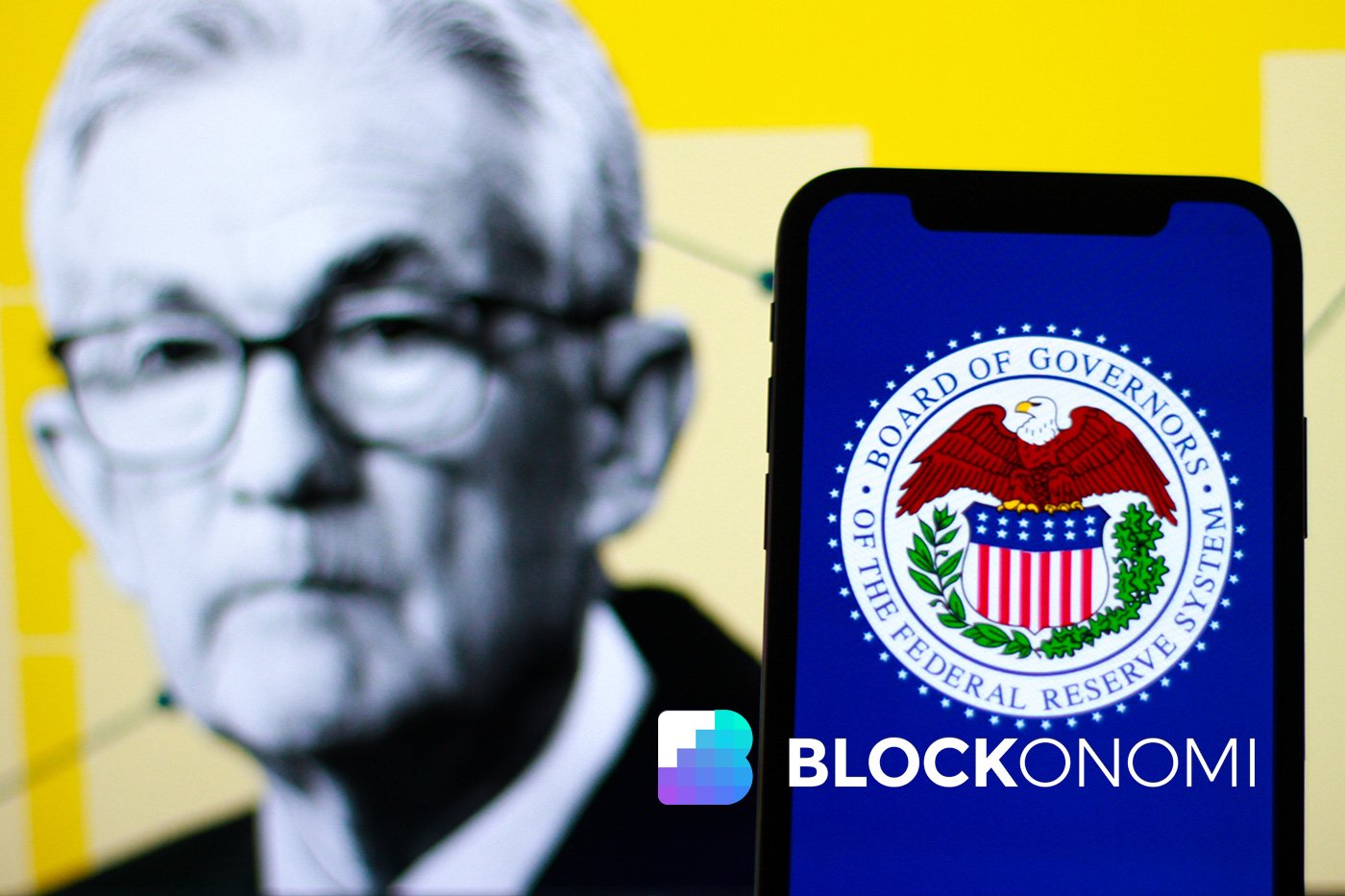
In a significant escalation of tensions between the Federal Reserve and the current administration, Chair Jerome Powell has publicly denounced grand jury subpoenas issued by the Department of Justice (DOJ). These subpoenas stem from Powell”s testimony before the Senate Banking Committee last June, where he discussed renovations of Federal Reserve office buildings. Powell asserts that these legal actions are not fundamentally about his testimony but rather a retaliatory measure against the Fed”s independence in setting interest rates.
During his testimony, Powell emphasized the Fed”s commitment to transparency, stating that the institution had maintained open communication with Congress throughout the renovation project. He expressed his deep respect for the rule of law but framed the DOJ”s actions as part of a broader pattern of political pressure aimed at influencing the Fed”s monetary policy.
Powell categorically dismissed the DOJ”s stated reasons for the subpoenas, arguing they serve as a pretext designed to undermine the Fed”s ability to make decisions based on economic realities rather than political preferences. “This new threat is not about my testimony last June or about the renovation of the Federal Reserve buildings,” he explained, indicating that the real issue at hand is the Fed”s commitment to evidence-based interest rate policies.
Having served under four different presidential administrations, Powell reiterated his dedication to his role, stressing that he will continue to fulfill his responsibilities without succumbing to political intimidation. “In every case, I have carried out my duties without political fear or favor, focused solely on our mandate of price stability and maximum employment,” he stated, underscoring his commitment to the Fed”s dual mandate.
The latest developments raise critical questions about the Federal Reserve”s independence and whether it can continue to operate free from political interference. Powell”s determination to uphold the integrity of the Fed and its mission is a pivotal moment for the institution, especially amid growing scrutiny over its monetary policies.