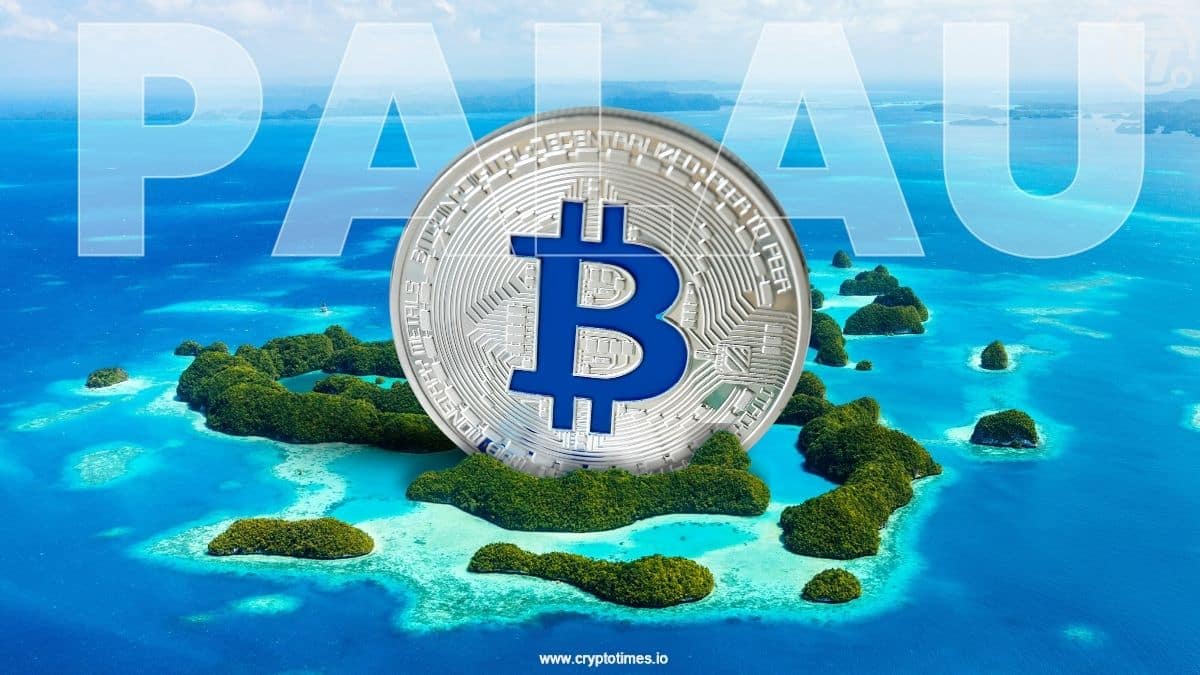
The Republic of Palau has emerged as a significant player in the cryptocurrency landscape with its innovative Digital Residency Program. Launched in 2022, this initiative has attracted over 12,000 holders, including prominent figures like Vitalik Buterin and co-founders of Binance. By 2025, the program is set to be recognized as Tier-1 KYC by major exchanges such as Kraken and Coinbase, marking an important milestone for crypto users seeking streamlined access to trading platforms.
Located in the Pacific Ocean, Palau is not just renowned for its natural beauty but has quietly positioned itself as a paradise for digital nomads and DeFi founders. The Digital Resident ID, which consists of a physical card and an on-chain NFT, enables holders to enjoy a range of benefits, including 0% tax on foreign income and capital gains, and up to 180-day visa extensions.
Palau”s tax structure is particularly appealing, as it allows for significant financial advantages for those routing their income through a Palau LLC. However, it is crucial to understand that while the tax benefits are enticing, the jurisdiction adheres to international reporting standards, including CRS and FATCA, ensuring compliance with global tax regulations.
The Digital Residency Program has also catalyzed the growth of an ecosystem surrounding the PUSD, a stablecoin backed by Ripple and launched in 2025. This stablecoin is designed to facilitate transactions within the region and beyond, further enhancing Palau”s attractiveness as a crypto-friendly jurisdiction.
In addition to financial incentives, the Digital Resident ID offers practical advantages. Holders can present their ID to immigration authorities upon arrival, often receiving extended stays beyond the typical tourist visa limits. This flexibility has led to an influx of crypto entrepreneurs visiting Palau, who take advantage of both the natural environment and the favorable regulatory framework.
Despite its rapid growth, Palau”s Digital Residency is not without its challenges. Major financial institutions have yet to fully embrace the program, and the physical ID card can take weeks to arrive, though the digital NFT is issued instantly. Furthermore, potential users must remain aware of their home country”s regulations concerning international tax structures.
In summary, Palau”s Digital Residency has established itself as a unique offering in the global crypto landscape. With its innovative approach to digital identity and taxation, it stands out as a viable option for crypto traders and digital nomads seeking a supportive environment for their ventures. As more individuals and companies recognize the advantages, Palau may very well become a central hub for the digital economy.