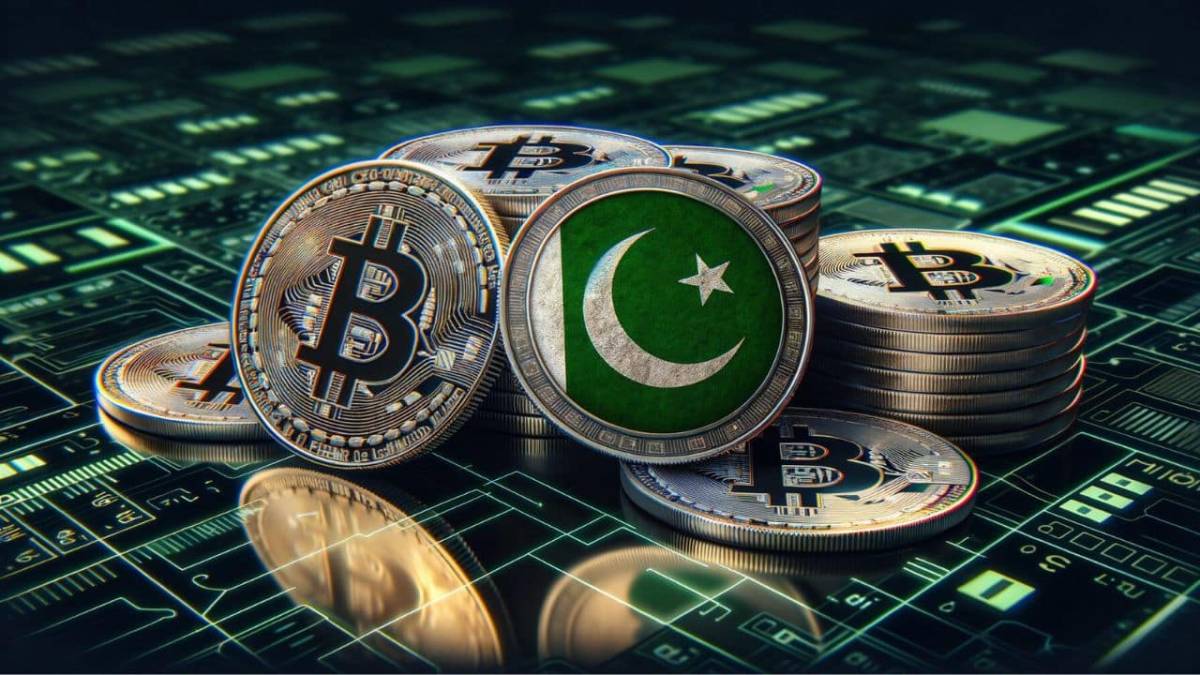
The cryptocurrency landscape in Pakistan is undergoing significant changes as the country grapples with the implications of a burgeoning digital economy. A recent report indicates that Pakistan has seen remarkable levels of cryptocurrency adoption, particularly among its younger population and freelancers, who are increasingly turning to digital assets.
In 2022, Pakistan ranked sixth globally for crypto adoption, a position that is expected to improve to third by 2025, according to Chainalysis. This surge in cryptocurrency use comes despite the country”s broader digitization efforts lagging behind, prompting policymakers to reassess their stance on regulation.
Historically, the government has had a wary approach towards cryptocurrencies, with the State Bank of Pakistan previously issuing notices that deemed crypto trading illegal. However, the establishment of the Pakistan Crypto Council in March 2025 marked a pivotal shift in official engagement with the sector, even as legal frameworks remain ambiguous.
The formation of the Pakistan Virtual Assets Regulatory Authority in July 2025 signifies the government”s intent to establish regulatory oversight, but key regulatory frameworks on licensing and compliance have yet to be made public. This leaves investors and trading platforms in a precarious position, operating in a grey area that lacks clear guidelines.
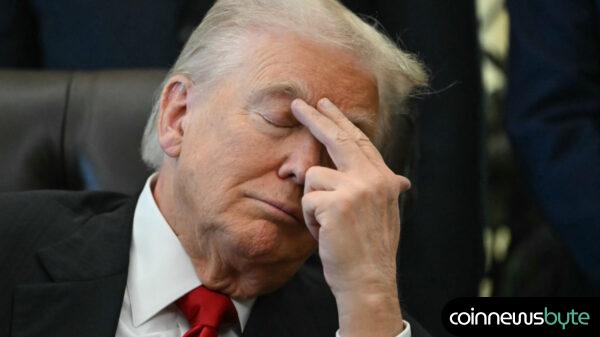
International influences are also shaping Pakistan”s crypto narrative. The connections between the local market and global crypto figures, such as World Liberty Financial associated with the Trump family and major exchange Binance, have become critical to discussions on the future of digital assets in the country. The softening of US crypto enforcement during Donald Trump”s second term has further facilitated Binance”s engagement with Pakistan, where its founder has taken on a strategic advisory role.
Binance has acted proactively by forming local partnerships, including collaborations with JazzCash and the Fauji Foundation ecosystem, to explore the tokenization of sovereign assets. The exchange has also received regulatory no-objection certificates, paving the way for increased operational legitimacy.
Despite this progress, the actual scale of Pakistan”s crypto economy remains uncertain, with estimates pointing to an informal market valued at $25 billion. This market is largely driven by peer-to-peer transactions, which raises significant concerns regarding money laundering, consumer protection, and compliance with the Financial Action Task Force (FATF) standards.
As the global landscape for cryptocurrencies evolves, Pakistan faces the critical task of developing a regulatory framework that promotes innovation while ensuring adequate safeguards for its citizens. The challenge lies in balancing the need for regulation with the desire to foster a thriving crypto ecosystem that can integrate into the international financial system.