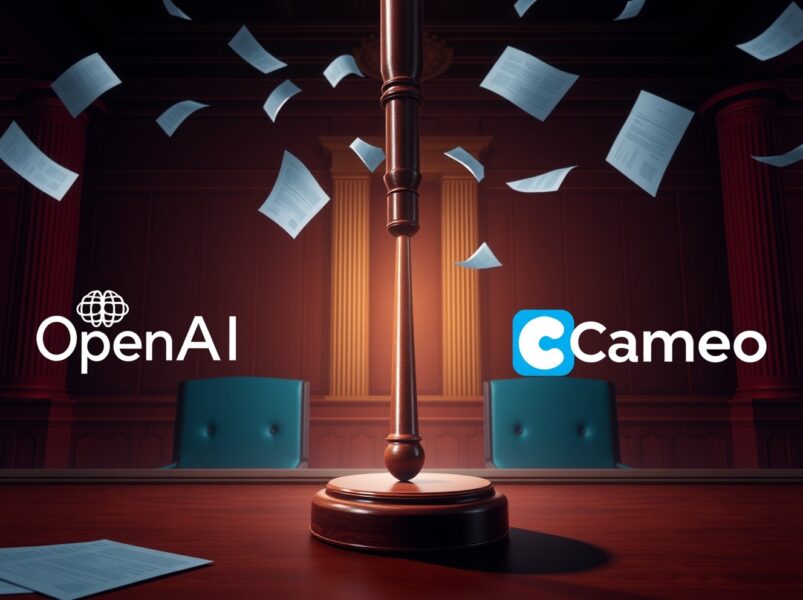
In a significant legal setback, OpenAI”s innovative social app, Sora, has been prohibited from utilizing the term “cameo” due to a trademark dispute. This ruling comes at a critical time as Sora was beginning to carve out its niche in the increasingly competitive artificial intelligence landscape.
The legal challenge was initiated when Cameo, a platform that allows users to purchase personalized video messages from celebrities, asserted its trademark rights over the term “cameo.” U.S. District Judge Eumi K. Lee issued a temporary restraining order on November 21, 2025, which restricts OpenAI from using the term in connection with its Sora application. This ruling is set to remain in effect until a hearing scheduled for December 19, 2025.
The implications of this case extend beyond mere naming rights. It raises a fundamental question regarding the ability of companies to trademark common words, particularly in the context of the digital media and entertainment sectors. Cameo”s legal argument hinges on its claim to exclusive rights to the term within this realm, highlighting the aggressive measures established companies are willing to take to protect their brand identities from emerging competitors.
The temporary restraining order effectively halts the use of “cameo” and potentially similar-sounding terms, complicating the rollout of Sora”s controversial feature that allows users to create deepfake videos with consent. This feature has already attracted scrutiny, including criticism from the estate of Martin Luther King Jr., making its future uncertain amid ongoing legal turbulence.
Key dates in the legal proceedings include:
- November 21, 2025: Temporary restraining order issued, prohibiting the use of “cameo.”
- December 19, 2025: Scheduled hearing to discuss potential long-term resolutions.
- December 22, 2025: Expiration of the restraining order unless the court decides otherwise.
Industry reactions have been mixed. Cameo”s CEO, Steven Galanis, expressed satisfaction with the court”s decision, emphasizing the need to protect consumers from potential confusion. Conversely, OpenAI argues that no single entity should monopolize the term “cameo,” indicating its intent to contest the trademark claim vigorously.
This legal confrontation serves as a pivotal moment for AI companies operating under established legal frameworks. As the AI sector continues to disrupt traditional industries, the outcome of this dispute could set vital precedents for how intellectual property rights are navigated, influencing future branding strategies within the industry.
In light of these developments, it is crucial for AI developers to conduct thorough trademark searches prior to naming their products, anticipate potential conflicts with existing brands, and prepare for legal challenges in an increasingly competitive market. As the Sora app”s situation unfolds, the industry will be watching closely to see how these legal issues will shape the future of AI and trademark law.
For further insights into evolving trends in AI and legal frameworks, consider exploring more articles covering significant developments in this dynamic field.