






































According to a recent statement from a U.S. official, North Korea has likely pilfered over $2 billion in cryptocurrency throughout 2025. This alarming figure raises concerns regarding the connection between these virtual asset thefts and the funding of the country”s nuclear and ballistic missile initiatives.
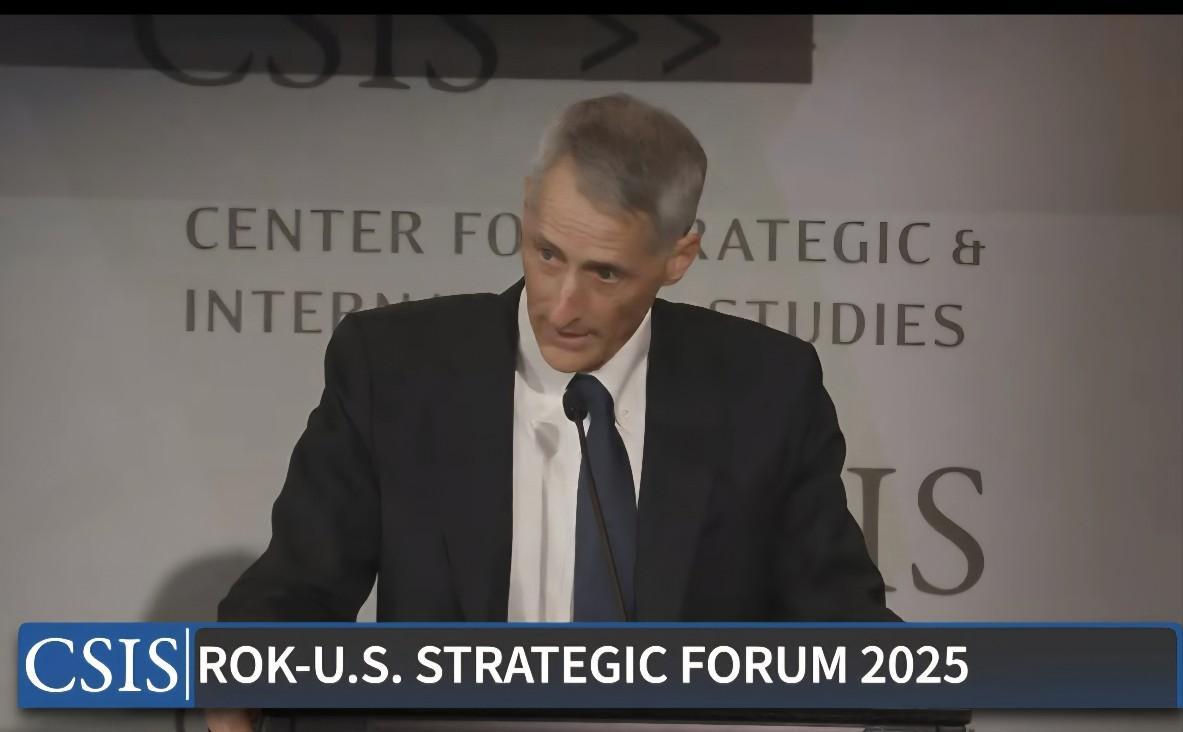
Jonathan Fritz, who serves as the principal deputy assistant secretary at the State Department”s Bureau of East Asian and Pacific Affairs, presented these findings during a U.N. meeting focused on the Multilateral Sanctions Monitoring Team (MSMT) report. This report outlines North Korea”s persistent violations of sanctions and the evasion tactics employed through cyber and information technology activities.
The MSMT was formed following the disbandment of a U.N. expert panel that monitored sanction enforcement, which occurred in April 2024 due to a veto from Russia. The MSMT comprises 11 nations, including South Korea, the United States, Japan, Australia, and Canada.
Fritz”s remarks were based on data indicating that from January through September last year, North Korea was responsible for thefts exceeding $1.6 billion in cryptocurrency. Projections for the entirety of 2025 suggest that total thefts could eclipse $2 billion. This assessment aligns with estimates from Chainalysis, a blockchain analytics firm, which reported that North Korean hackers stole $2.02 billion in cryptocurrency last year, marking a 51 percent increase from the previous year.
Notably, Fritz characterized the $2 billion figure as a conservative estimate, implying the actual amount might be significantly higher. He explained that North Korea utilizes networks of nationals abroad, as well as foreign facilitators in countries like China, Russia, Cambodia, and Vietnam, to convert stolen digital assets into fiat currency. This process is crucial for financing their weapons of mass destruction programs.
Additionally, Fritz highlighted the deployment of North Korean IT workers overseas, estimating that between 1,000 to 1,500 are situated in China and around 150 to 300 in Russia. These workers often engage in fraudulent activities to generate revenue that supports the North Korean regime.
“These IT workers defraud global companies to gain otherwise legitimate jobs, taking employment opportunities from our domestic populations and exposing our businesses to significant risks,” stated Fritz. He added that these workers collaborate with foreign facilitators from various U.N. member states to secure employment and remit their earnings back to North Korean entities.
During the same U.N. meeting, Kim Sang-jin, South Korea”s deputy envoy to the U.N., condemned Russia”s veto in 2024, which led to the disbanding of the U.N. sanctions monitoring panel. He pointed out that the U.N. sanctions regime against North Korea is consistently challenged by “malign actors” globally. Kim emphasized that the MSMT report lays bare a disturbing reality where North Korea is financing its unlawful weapons of mass destruction and ballistic missile programs by exploiting the cryptocurrency industry while systematically undermining the integrity of global financial systems.