


































A recent report from TRM Labs highlights a significant shift in how nations are engaging with cryptocurrency. Governments across the globe, from authoritarian regimes to democratic states, are no longer treating digital assets as fringe investments but rather as integral components of their economic and security infrastructures.
The report indicates that blockchain technology”s decentralized nature allows countries to circumvent traditional financial systems dominated by the U.S. dollar and SWIFT. This characteristic is particularly appealing to authoritarian governments. Notably, North Korea has emerged as a leading example of aggressive crypto utilization. The country has been linked to numerous cyberattacks targeting exchanges and decentralized finance (DeFi) platforms, with the proceeds reportedly funneled into its missile and nuclear weapon programs.
In contrast, Russia has adopted a different approach following the sanctions imposed after its 2022 invasion of Ukraine. While cryptocurrencies have not replaced traditional financial mechanisms, they have begun to facilitate cross-border transactions with allies like Iran, support pro-Russian initiatives, and enable large-scale mining operations that convert cheap energy into foreign currency.
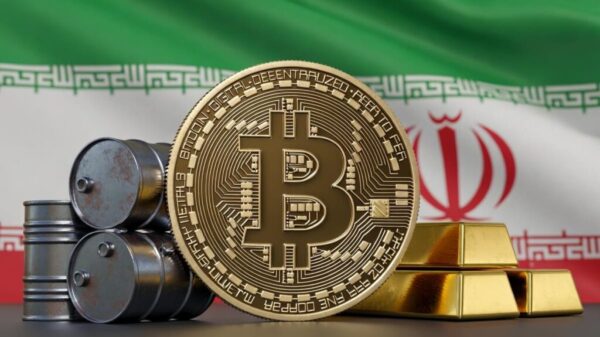
Iran, for its part, has been mining Bitcoin since 2019, utilizing the mined assets to pay for imports while evading international payment restrictions.
The report also emphasizes that not all governmental engagement with crypto is adversarial. Democratic nations are focusing on regulation, transparency, and the stability of markets. In the United States and Europe, regulatory bodies are increasingly employing blockchain analytics for various purposes, including tracing ransomware payments and enforcing sanctions. The European Union”s Markets in Crypto-Assets (MiCA) framework mandates stringent oversight of crypto firms, while U.S. agencies continue to refine regulations through entities like the Financial Crimes Enforcement Network (FinCEN) and the Office of Foreign Assets Control (OFAC).
Asia presents a more collaborative dynamic, with Singapore”s Monetary Authority actively partnering with private sector firms to enhance compliance technologies. Japan has also strengthened its regulatory framework for cryptocurrency exchanges following previous security breaches. Many central banks in this region are exploring digital currencies issued by governments and tokenized reserves, drawing from the principles of public blockchains while maintaining strict state control.
This stark contrast illustrates the divergent paths nations are taking with cryptocurrency. While North Korea exploits digital assets to evade sanctions and finance its arms programs, countries like Singapore and EU members are leveraging similar technologies to innovate payment systems and enhance regulatory oversight. The report posits that as the crypto landscape evolves, this divide is likely to widen further. Authoritarian states may continue to seek ways to use digital assets to bypass restrictions, while democratic governments will increasingly push for regulatory frameworks that connect innovation with accountability.