In a troubling trend, residents of Wyoming are losing millions to scammers utilizing crypto ATMs as a vehicle for their fraudulent activities. Reports indicate that over $4.6 million has been siphoned off from the state”s three largest cities, with particularly notable losses in Gillette, which alone accounts for $3 million.
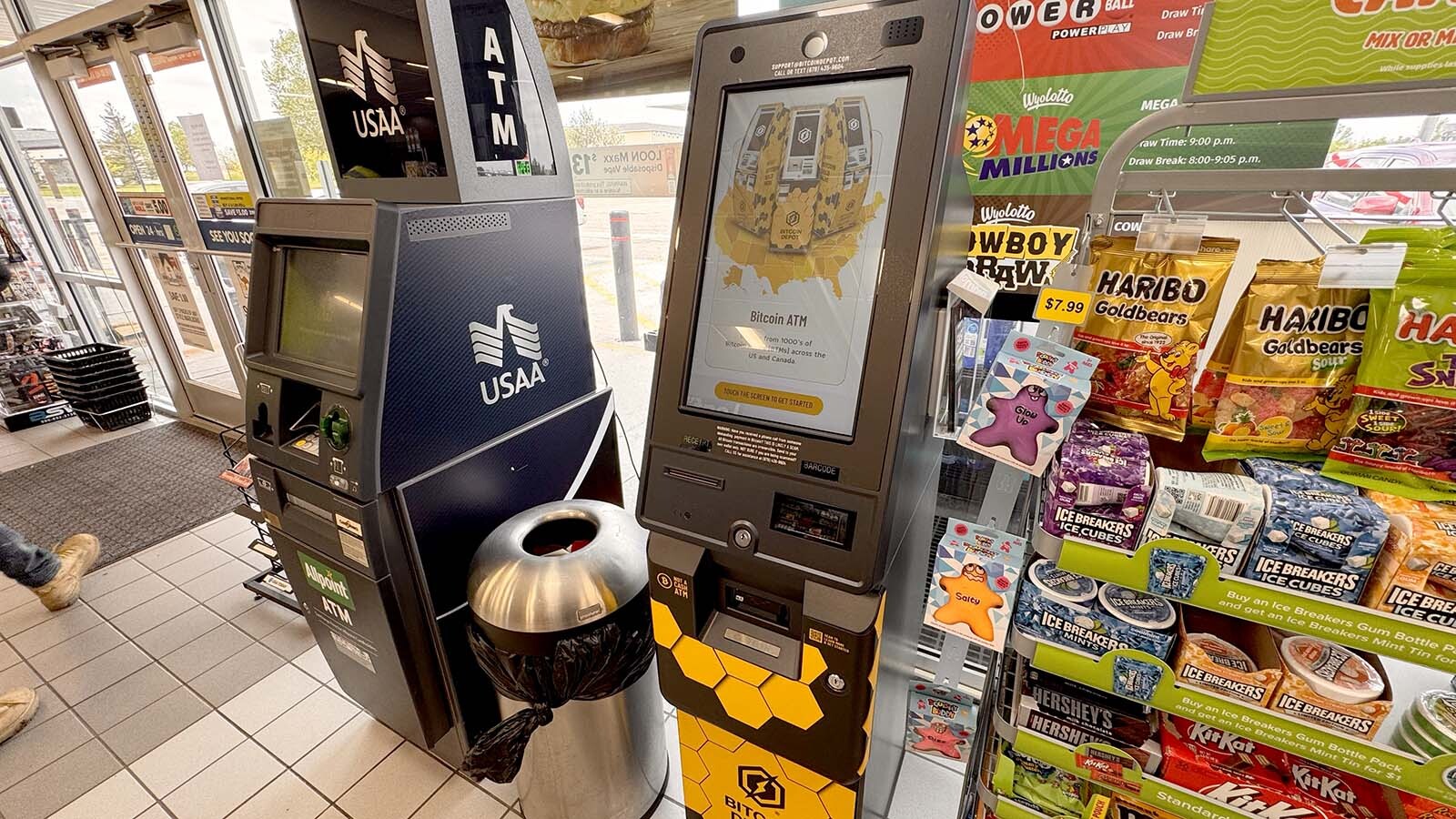
These ATMs, which resemble traditional bank machines, allow users to buy and transfer cryptocurrency. However, they have become a favored tool for con artists who exploit the anonymity and speed of crypto transactions. After convincing victims to deposit cash into crypto accounts controlled by the scammers, the funds can be quickly dispersed and obscured through a series of transactions, making recovery nearly impossible.
As of now, Wyoming is home to approximately 45 crypto ATMs, with 11 located in Cheyenne. Cheyenne Police Sergeant Kevin Malatesta highlighted that the shift in scam tactics reflects a broader evolution in how fraud is perpetrated. Previously, scammers relied on gift cards and money orders, but the rise of crypto ATMs has allowed them to adapt their methods.
The absence of a cashier or teller at these machines means that there are no immediate checks on suspicious behavior, allowing scammers to operate with greater ease. In 2025, Malatesta estimated that scams involving these ATMs accounted for around $600,000 in fraudulent losses in Cheyenne alone. Many of the victims are drawn into these schemes over extended periods, often believing they are helping loved ones in distress.
According to Sheridan Police Officer Liz Shafer, recovering funds lost to such scams is exceptionally challenging. Once money is funneled into a crypto wallet, it is essentially lost, as the funds can be transferred and divided among multiple accounts almost instantaneously. Shafer reported $1.5 million in unrecoupable losses over a two-year span, underscoring the systemic issue.
Law enforcement is urging the public to remain vigilant and report any suspicious activity. With the rise of these scams, there is a push among local authorities to implement regulations for crypto ATMs, including transaction limits and clearer fee disclosures. Such measures aim to protect consumers from falling victim to these increasingly sophisticated fraud schemes.
The situation has prompted discussions among law enforcement and lawmakers about potential legislative changes. Ken Clouston, a Republican representative from Gillette, intends to sponsor a bill that would require these ATMs to comply with state banking regulations, including clear warnings about potential scams.
As fraudsters continue to refine their tactics, the need for public awareness and protective measures becomes even more critical. Community education efforts are underway to inform residents about the warning signs of scams, but many remain at risk without adequate safeguards in place.
In the face of these challenges, it is imperative for individuals to report any incidents of fraud, helping authorities track the prevalence of these scams and potentially recover some lost funds in larger investigations.